Reptile for beginners: Best reptile for beginners guide
"The right pet is not the one that looks the best on a shelf, but the one that fits into the rhythm of your daily life."
Choosing the best reptile for beginners involves matching your available space and maintenance capacity with the animal's biological needs. This guide explores how to navigate species diversity, from tiny geckos to large tortoises, to ensure a successful long-term commitment.
You will learn about habitat requirements, life span considerations, and the importance of understanding natural behaviors.
What makes a reptile perfect for a beginner? A hand reaches into a terrarium to adjust a moss patch, feeling the slight humidity in the air. Finding the best reptile for beginners requires looking past aesthetic appeal to assess long-term compatibility with your living environment.

You must consider whether your lifestyle allows for daily temperature monitoring or if you need a more stable, low-maintenance setup.
Beginners often look for species that are hardy and forgiving of minor fluctuations in environmental variables. A successful introduction to herpeticulture usually involves animals with predictable temperaments and straightforward dietary needs.
Selecting an animal that matches your current level of experience prevents the stress of sudden, overwhelming care requirements.
The diversity of the reptile kingdom means some animals are quite small while others are massive.
For instance, extant reptiles range in size from the tiny Jaragua dwarf gecko (Sphaerodactylus ariasae), which only grow up to 17 mm (0.7 in), to the saltwater crocodile (Crocodylus porosus), which can reach over 6 m (19.7 ft) in length and weigh over 1,000 kg (2,200 lb).
Understanding these extremes is vital for planning your space.
- Assess your daily schedule to ensure you can meet feeding requirements.
- Evaluate your available space for a suitable enclosure.
- Research the specific temperament of the species.
How do I manage habitat needs for reptiles? Best reptile for beginners
A thermometer sits next to a heat lamp, casting a warm glow over a desert-themed enclosure. Managing habitat needs for reptiles involves replicating natural thermal gradients and humidity levels within a controlled space.
Every species requires a specific balance of heat and moisture to facilitate digestion and shedding.
Effective habitat management relies on creating a "microclimate" where the animal can move between warm and cool areas. This allows the pet to regulate its own body temperature through behavioral thermoregulation.
Without this ability, the animal may suffer from metabolic issues or respiratory distress.
| Feature | Small Species (e.g., Dwarf Gecko) | Large Species (e.g., Saltwater Crocodile) |
|---|---|---|
| Maximum Size | 17 mm (0.7 in) | Over 6 m (19.7 ft) |
| Primary Constraint | Vertical/Micro-space | Massive enclosure/Weight capacity |
I once spent an entire afternoon measuring the humidity levels in a small enclosure to ensure a gecko could transition safely between hides. Utilizing these tools helps maintain the stability required for sensitive species.
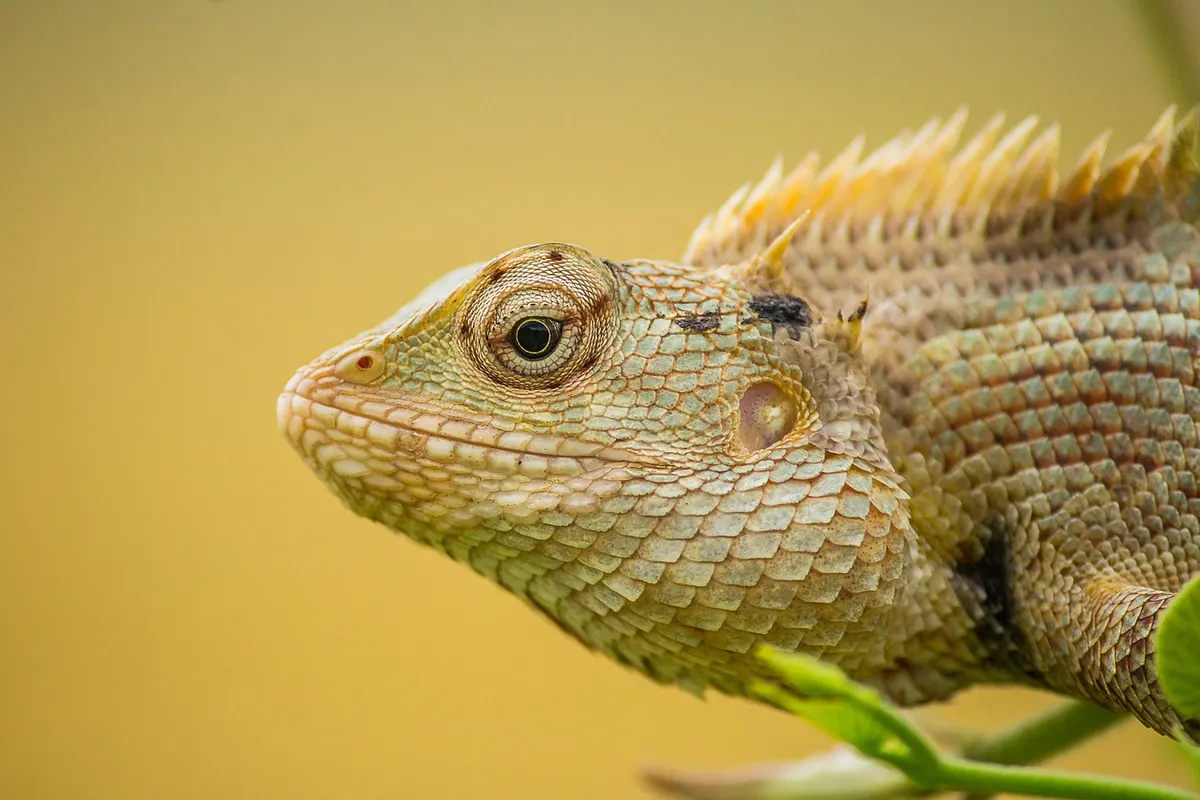
In this sequence, the second step is the most extensive.
Which reptiles are easy to keep as pets? An empty glass tank sits on a table, waiting for its first inhabitant to arrive. Seeking easy reptile pets often leads owners toward species that thrive in standardized enclosures with minimal specialized equipment.
These animals are typically those that can tolerate slight deviations in environment better than more sensitive tropical species.
The term easy reptile pets refers to animals that do not require specialized breeding expertise or high-frequency interaction to remain healthy. These species often have robust immune systems and clear, visible signs of health or distress.
They are excellent for those building confidence in animal husbandry.
A simple reptile care routine often includes regular cleaning, feeding, and environment checks. For those seeking low maintenance reptile options, certain geckos or small lizards offer a way to observe unique behaviors without the need for massive enclosures.
Always verify the adult size of the animal before finalizing a purchase.
How do I handle reptile species comparison?
A notebook lies open on a desk, filled with sketches of different lizard shapes and sizes. Performing a reptile species comparison requires looking at biological traits such as diet, lifespan, and activity levels.
A species that seems perfect for a small apartment might grow too large or live too long for a temporary living situation.
When you look at species, you must account for the biological reality of their growth and lifespan. A pet that lives for decades requires a permanent place in your life, not just a temporary hobby.
Comparing these factors prevents the common mistake of choosing an animal based solely on its current size.
Comparing life spans and biological quirks is essential. For example, Charles Darwin noted that the Galapagos tortoise had a bladder which could store up to 20% of its body weight. Such biological traits can influence how much water or space an animal needs over its lifetime.
What is the role of choosing your reptile pet for long-term success?
A person sits quietly by a large enclosure, watching the slow movement of a tortoise. The process of choosing your reptile pet is a commitment to a living being that will rely on you for its entire existence.
You must weigh the excitement of a unique pet against the reality of the daily work involved.
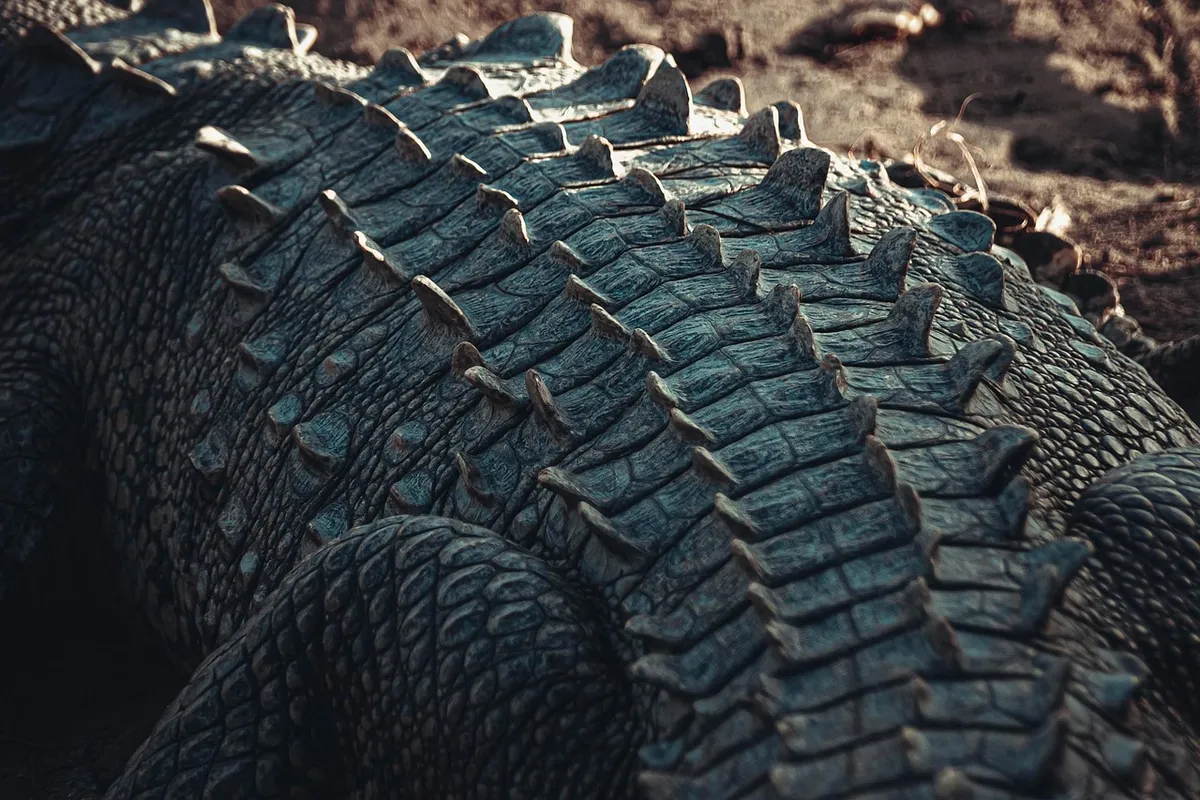
Successful ownership is built on the foundation of prepared space and informed decision-making. If you cannot provide the necessary space for an adult animal, that species is not the right choice.
Always research the specific environmental needs, such as UVB lighting and humidity, before bringing an animal home.
To ensure success, follow these steps: 1. Research the specific biological needs and adult size of the species. 2. Secure all necessary enclosure equipment and dietary supplies beforehand. 3. Verify that your living situation can accommodate the animal for its entire projected lifespan.
A final check of your budget and schedule ensures you can provide the necessary care for years to come.
The same subject is also called Beginner reptile guide.
Related





Comments 0