Brushing vs. Bathing: Essential Guide to a Healthy Cat Coat
The difference between a healthy coat and a problematic one often lies in the maintenance routine, not the occasional wash.
Whether you are dealing with a shedding longhair or a sleek shorthair, the secret to a beautiful coat is consistency in grooming rather than the heavy-handed approach of frequent baths.
* Brushing is a primary, daily maintenance tool that promotes coat health and removes loose hair. * Bathing should be an infrequent intervention, as it can be stressful and potentially disrupt natural oils. * Proper coat care is intrinsically linked to overall feline skin and respiratory health. * Dietary needs, specifically high protein, must match the metabolic demands of a coat.
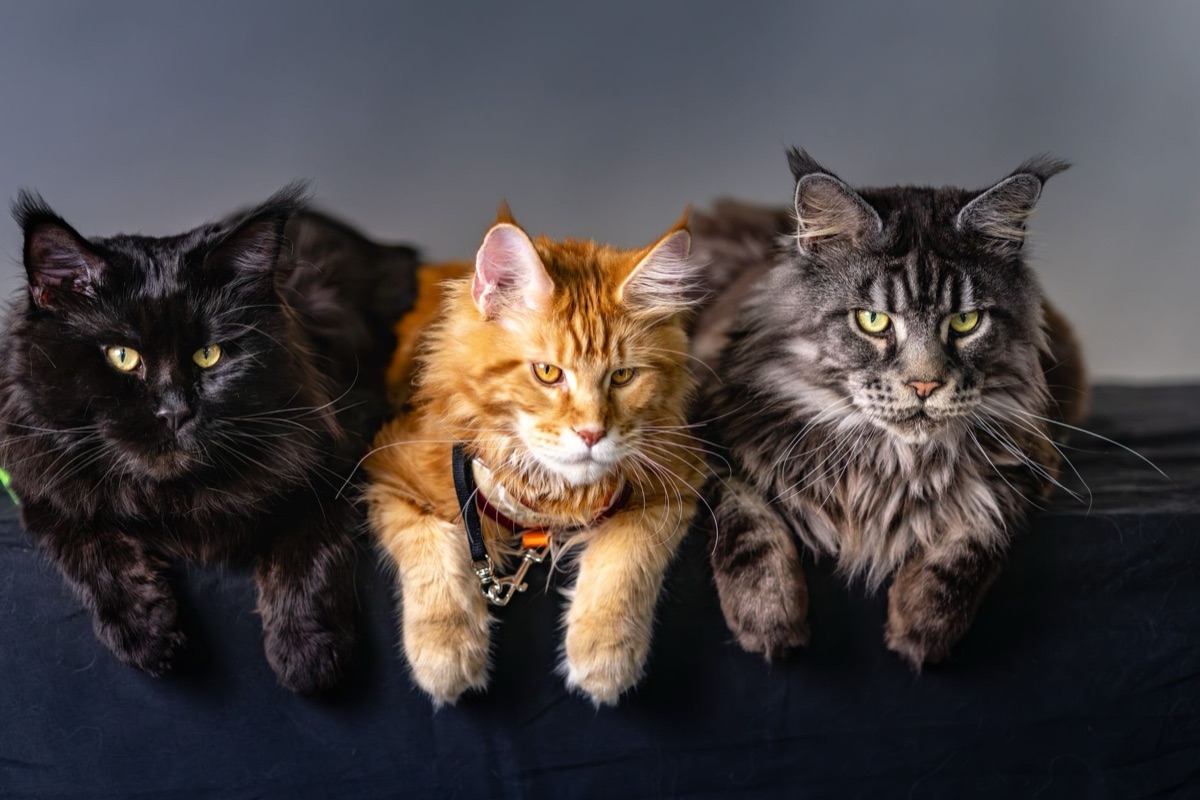
Why is Coat Maintenance More Crucial Than Washing?
I sat on my living room rug last Tuesday evening, watching my ginger tabby, Leo, aggressively lick his shoulder while a cloud of orange fur drifted toward the coffee table. The living room felt warmer than usual, and the soft light of the 7:00 PM sunset caught the floating dust and fur in the air.
It felt like a losing battle against the shedding, but I realized that if I didn't pick up the brush, the vacuum would be my only tool for management.
The biological reality is that a cat’s skin produces natural oils, or sebum, which serves as a protective barrier and keeps the hair supple. Over-washing can strip these essential oils, leading to dry, itchy skin and a brittle coat that loses its luster.
While washing uses chemical surfactants to remove dirt, brushing uses mechanical action to remove the debris itself.
For many owners, the urge to wash comes from concerns about skin issues, but it is vital to remember that 20% to 30% of cases involving cats involve concurrent allergic diseases, such as atopy or flea-allergic dermatitis.
In these sensitive cases, harsh shampoos can exacerbate irritation rather than solve it. Furthermore, the foundation of the coat is built from within; cats require about 25% to 30% protein in their diets to support hair growth, a much higher requirement than what a dog needs.
| Feature | Brushing | Bathing |
|---|---|---|
| Primary Purpose | Removing loose hair and distributing oils | Removing heavy dirt, grease, or topical substances |
| Frequency | Daily to weekly (depending on breed) | Occasional / As needed |
| Impact on Skin | Stimulates oils and prevents matting | Can strip natural oils if done too often |
| Stress Level | Generally low (can be a bonding activity) | Often high for most felines |
The balance between these two methods determines whether your cat stays comfortable or becomes a scratching, irritated mess. But knowing the difference between a brush and a bath is only half the battle.
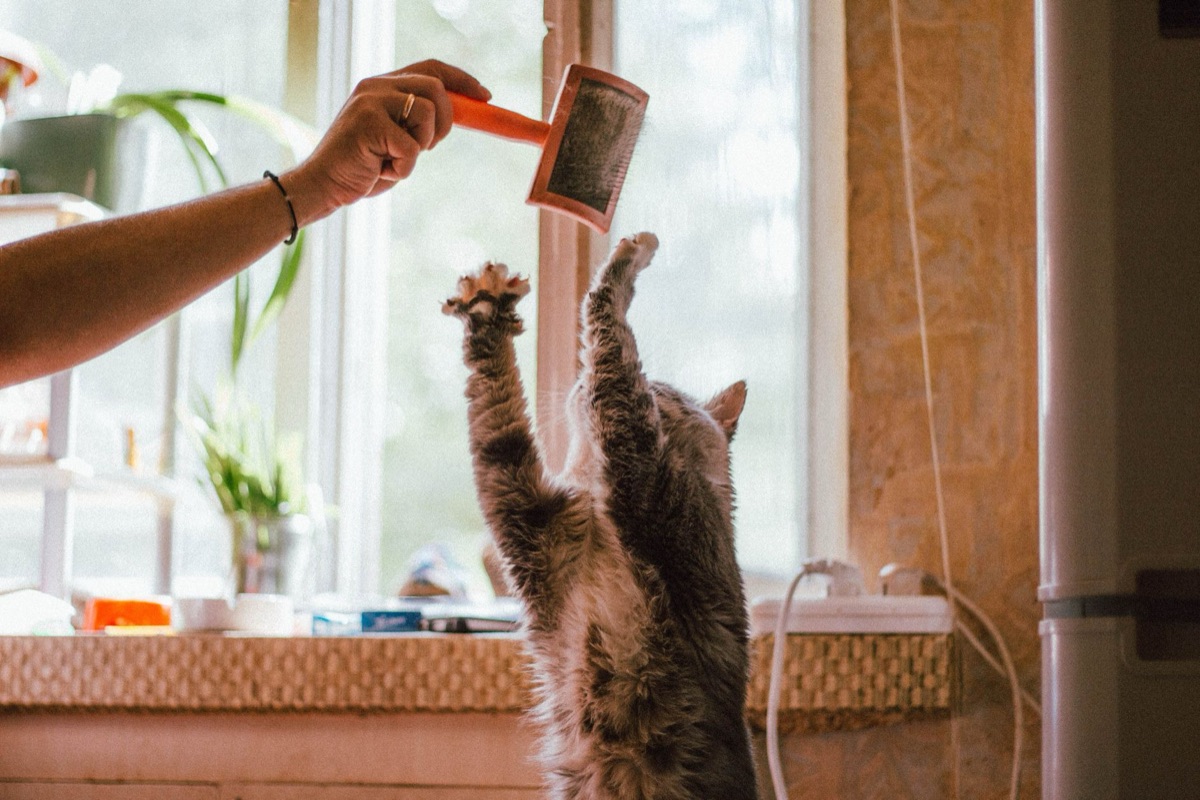
The Science of Brushing: Your First Line of Defense
I remember the first time I used a deshedding tool on a longhaired breed in my sunlit kitchen; the sheer volume of hair removed in one session was enough to make me question if the cat was actually getting thinner.
I looked at the pile on the linoleum floor and realized how much buildup had been hiding right under my nose.
Brushing acts as a mechanical removal system. It physically pulls away the dead undercoat and loose hair before it can form painful mats or be ingested. Because cats spend a significant portion of their waking hours grooming themselves, they naturally ingest hair.
While the tongue's papillae help manage the coat, the buildup of hair can lead to hairballs. In the first year of life, as the frost-like kitten fur is replaced by genetic colors during a moult, managing this transition is key to preventing issues.
Selecting the right tool is the most important step in this process. A slicker brush is great for removing tangles in longhair breeds, while a rubber grooming mitt might be better for short-haired cats to massage the skin and collect loose fur.
Regular brushing prevents the buildup that leads to hairballs and keeps the skin stimulated. When you make brushing a habit, you aren't just cleaning; you are performing a preventative health check.
However, knowing how to brush is different from knowing when to use water.
When and Why to Bathe (And When Not To)
The sound of a running faucet in a bathroom is often enough to send a cat sprinting into another room, hiding under a bed or behind a sofa. In my own home, the mere sound of the shower starting on a Sunday morning sends Leo darting toward the hallway to find a hiding spot.
Bathing should be viewed as a situational intervention rather than a routine. It is necessary if a cat has rolled in something toxic, has much-needed medicinal treatment, or has a specific skin condition requiring a medicated wash.
For most healthy cats, the stress of a bath far outweighs the benefits.
It is also important to consider the life stage of the animal. For instance, in the world of competitive breeding, kittens in the 4 to 8-month age range are in a distinct developmental phase where their coats and bodies are still maturing.
They can achieve titles like "National Winner," but they won't reach adulthood or "Grand Champion" status until they are at least 8 months old. During these growth spurts, the coat is in flux, and heavy washing can disrupt the natural development of their adult coat.
Unlike dogs, who often require regular washing due to outdoor activities, cats are masters of self-cleaning. If your cat is clean and not presenting skin issues, the tub should remain empty.
While the physical tools matter, the internal health of the cat is the real driver of coat quality.
Beyond the Coat: Diet and Health Linkages
I once thought a shiny coat was just about the brush, but after seeing a friend's cat struggle with dull fur despite daily grooming, I realized the problem was in the food bowl.
I watched as they sat at the kitchen counter, discussing how no amount of scrubbing could fix the lack of shine on that poor cat's coat.
The biological building blocks of hair are primarily protein. Because the hair of a cat is made mainly of protein, their dietary requirements are specialized. A diet that lacks sufficient protein will result in a coat that looks thin, brittle, or patchy.
This is why the 25% to 30% protein threshold is so critical for maintaining the structural integrity of the hair shaft.
A healthy coat is a window into the animal's overall health. If a cat has chronic issues like atopy or flea-allergic dermatitis, which affects 20% to 30% of cats, the coat will be the first thing to show signs of distress.
| Aspect | Requirement / Detail |
|---|---|
| Protein Level | 25% to 30% of diet is essential for hair structure |
| Allergy Risk | 20% to 30% of cats face concurrent allergic diseases |
| Growth Stage | Kittens reach adulthood around 8 months |
When you focus on high-quality nutrition, you provide the tools the body needs to grow a healthy coat, making your grooming sessions much more effective. But how do you actually implement this routine at home?
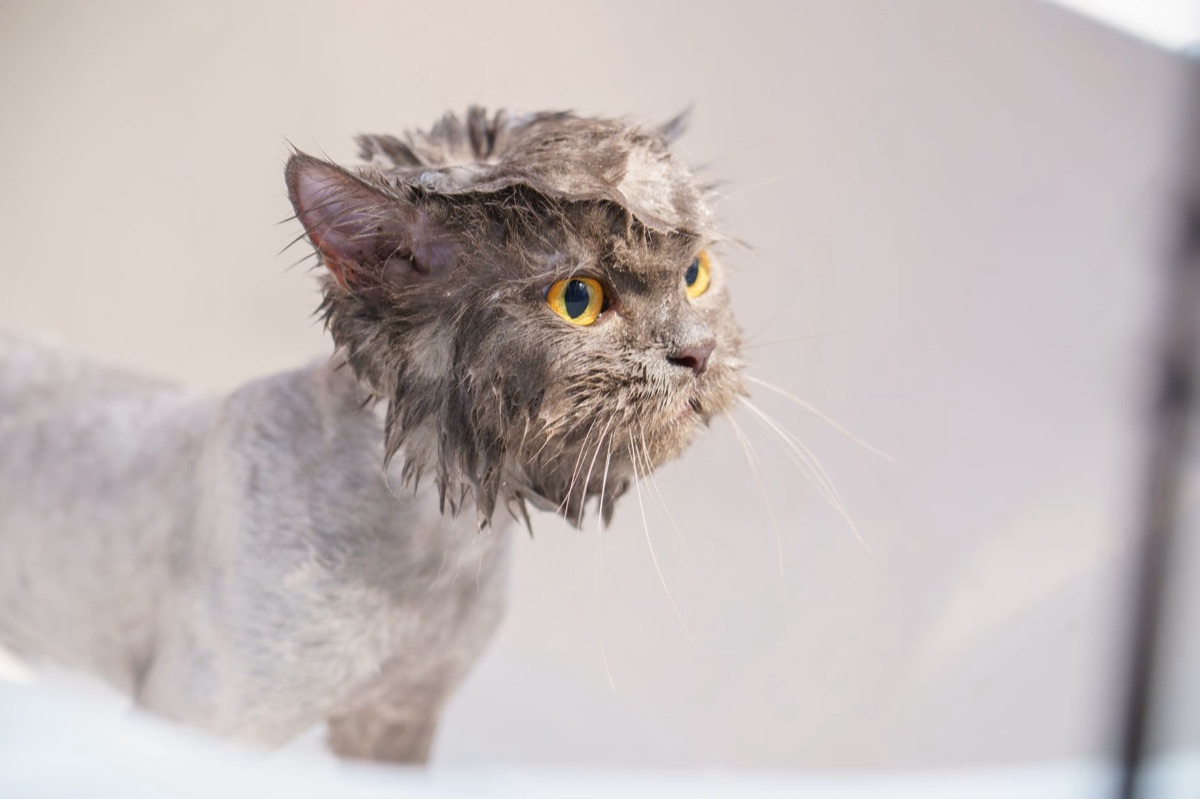
How to Manage Your Cat's Coat Routine
To move from theoretical knowledge to practical care, follow this structured approach to balance grooming and health.
- Assess the Coat Type: Identify if your cat is short-haired (requires rubber mitts/weekly brushing) or long-haired (requires slicker brushes/daily brushing).
- Scheduled Brushing: Set a specific time, such as 7:00 PM on weekday evenings, to perform a 5-minute brushing session to prevent hair buildup.
- Evaluate the Need for Water: Check for dirt or toxins. If the coat is clean, skip the bath to preserve natural oils.
- s* Verify Protein Intake: Check food labels to ensure the diet meets the 25% to 30% protein requirement.
- Monitor for Allergic Reactions: Inspect the skin weekly for redness or itching, keeping in mind that 20% to 30% of cats face these issues.
It is important to note that these tips are general guidance. If your cat has severe skin lesions, sudden hair loss, or is showing signs of pain during grooming, these routine steps should not replace professional veterinary advice.






Comments 0