Hamster diet choice guide: Protein 16-24% for health
"A balanced diet is the foundation of a long, healthy life for any small pet."
A proper hamster diet choice guide begins with understanding the specific macronutrient ratios required for their unique physiology. A healthy diet for these animals requires a precise balance of protein, carbohydrates, and fats, alongside constant access to fresh water.
This guide covers essential nutrient percentages, developmental growth needs, and how to manage dietary stability.
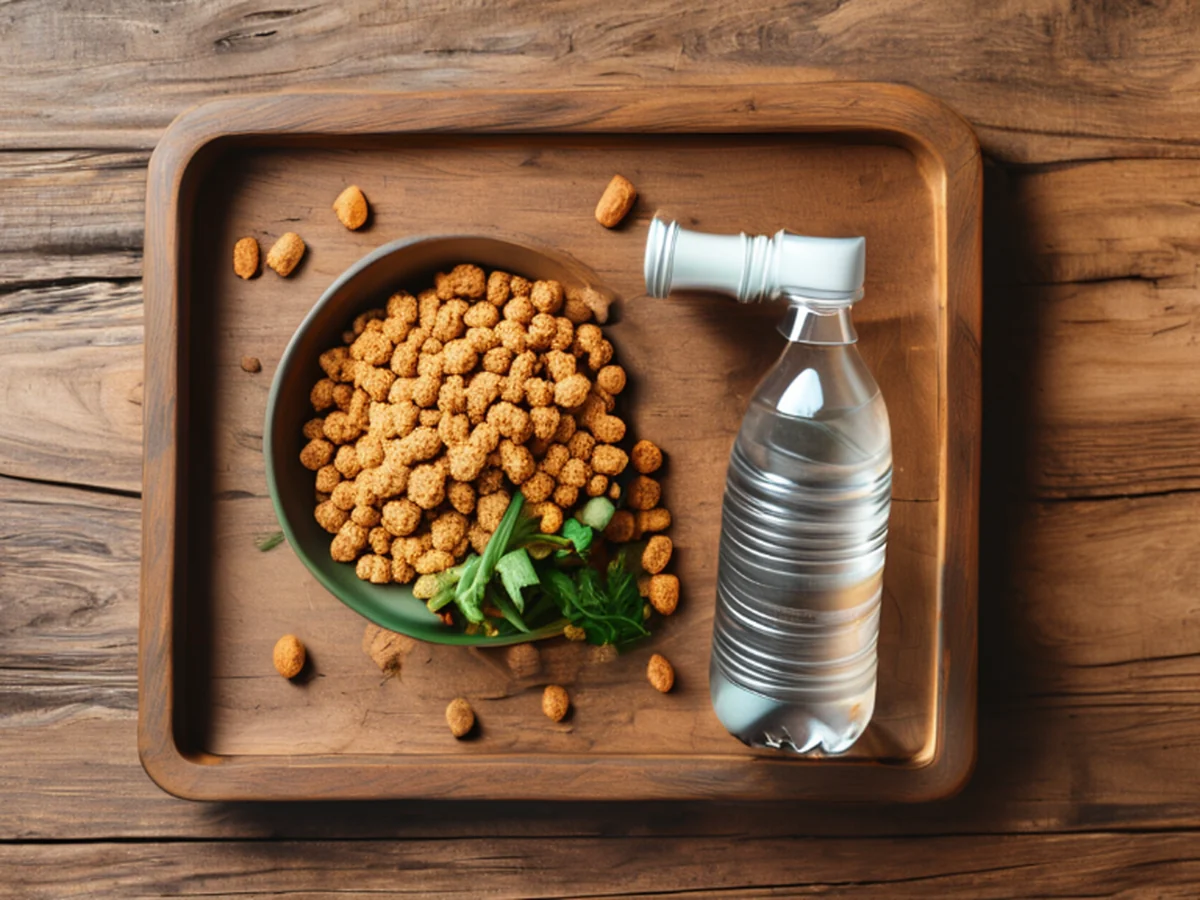
Key takeaways: 1. Maintain a protein level between 16% and 24% to support muscle and tissue health. * Ensure carbohydrates make up 60% to 65% of the diet, with fat levels kept between 5% and 7%. * Provide constant access to fresh water to prevent dehydration.
What should my hamster's nutrient ratios look like? At dawn, a hand reaches into the ceramic bowl to feel the coarse texture of the grain meant for the hamster.
A hand reaches into a ceramic bowl to scoop out a mixture of seeds and grains, checking the texture of the feed. For a healthy pet, the nutritional profile must remain consistent to prevent health complications.
According to the Association for Animal Welfare (TVT) recommends, wheels should be at least 20 cm (7.9 in) for Dwarf hamsters and at least 30 cm (12 in) for Syrian hamsters, as smaller diameters can cause permanent spinal curvature, particularly in young animals.
A balanced diet for a hamster consists of 16-24% protein, 60-65% carbohydrates, and 5–7% fat, with constant access to fresh water. This specific distribution ensures that the animal receives enough energy from carbohydrates while maintaining lean mass through protein.

Because their metabolic rates are high, these proportions are vital for stability.
How do we manage proper hamster nutrition during growth? Hamster diet choice guide
A tiny, hairless pup is weighed on a digital scale, its small body reflecting the rapid growth of early life. Managing nutrition for growing animals requires attention to the significant changes in mass and developmental milestones.
When offspring are born, they are hairless and have a body mass of approximately 1.5 g (0.053 oz). As they develop, their nutritional requirements shift to support rapid tissue growth. After 28 days of development in captivity, the young are already around half the mass of their parents.
This rapid scaling means that caloric density must be carefully monitored to support such significant weight gain in a short period.
How should I change my hamster's food as they age? A caregiver carefully sorts through a bag of pellets, separating larger seeds from smaller grains to match the pet's size. Selecting the right food type depends heavily on the specific species and its current life stage.
| Nutrient Component | Recommended Percentage |
|---|---|
| Protein | 16-24% |
| Carbohydrates | 60-65% |
| Fat | 5-7% |

I once observed how much more quickly a growing juvenile consumed much more volume than an adult to meet these needs. Selecting food that meets these specific percentages is the first step in a successful feeding regimen.
How does understanding hamster diet needs help with reproductive health?
A female hamster explores her enclosure, her movements energetic as she reaches maturity. Understanding the biological timeline is crucial for managing the nutritional needs of breeding populations.
As reported by the Canadian Council, a total of 1,931 hamsters were used for research in 2013 in Canada, making them the sixth-most popular rodent after mice (1,233,196), rats (228,143), guinea pigs (20,687), squirrels (4,446) and voles (2,457).
Females are usually sexually mature at two months, and the gestation period is typically 20 days. In captive environments, the gestation period for Campbell's dwarf hamster is between 18 and 20 days, and the shortest gestation period recorded for a captive female was 13 days.

During these periods, nutritional density becomes even more critical to support the mother and the developing young.
What are the steps for effective hamster diet management?
A person carefully prepares a fresh water bowl and a portion of specialized feed, ensuring no old food remains in the enclosure. Proper management involves routine checks and consistent feeding schedules.
- Verify that the food mixture meets the 16-24% protein and 60-65% carbohydrate requirements. 2. Provide fresh, clean water at all times to support metabolic processes. 3. Monitor the weight and physical condition of the animal to ensure the fat content is within the 5-7% range.
A final check of the habitat ensures that the food is stored in a way that prevents spoilage or contamination.
What are the limitations of certain feeding strategies?
A breeder looks at a large group of litters, noting the variations in size and development. While general guidelines provide a baseline, certain biological factors can limit how much an animal can consume or how much it needs.
The primary limitation is that nutritional requirements change drastically during the transition from birth to adulthood, where an offspring may reach half its parent's mass in just 28 days. A diet that is appropriate for a mature adult might not provide the necessary density for a growing juvenile.
- What should my hamster's nutrient ratios look like?
- How do we manage proper hamster nutrition during growth?
- How should I change my hamster's food as they age?
The subject here is Hamster diet choice guide.
The same subject is also called Hamster food selection.
The same subject is also called What to feed hamster.
This part also covers Best hamster food types.
This part also covers Supplementing hamster diet.
Related
- Reptile hideout selection: Why matters for health
- Small animal clean care guide: Hygiene for small pets
When is the diet most critical for successful reproduction?
The diet is most critical when the female hamster nears maturity or during the gestation period. For a female hamster, reaching sexual maturity at two months signals the beginning of reproductive capability.
This timing dictates the need for a highly supportive, balanced diet to sustain the animal through conception and pregnancy.
During the gestation period, which averages around 20 days for captive Campbell's dwarf hamsters, the nutritional demands placed upon the mother are significantly elevated. This period requires the diet to provide maximum density to support both the mother's body and the developing young.
What cautions accompany the transition to adulthood?
The transition to adulthood presents a significant caution regarding caloric intake. A diet suitable for a fully grown animal differs substantially from what a rapidly developing juvenile requires.
Therefore, the initial phase of life demands close monitoring of the animal’s intake versus its growth rate.
This monitoring ensures that the animal receives the necessary nutrients without undue excess or deficiency during its most rapid growth phase. Maintaining the correct macronutrient balance is key during this developmental shift.






Comments 0