Small animal clean care guide: Hygiene for small pets
"A clean environment is the baseline for animal health and safety."
This guide provides the essential steps for managing small animal sanitation, addressing how to prevent disease through habitat upkeep, and ensuring a safe environment for your pets.
This guide focuses on routine sanitation and does not cover specialized medical procedures for injured animals.
How do I start a small animal clean care guide?
In the quiet morning light, I reach into the plastic bin to scoop out the soiled bedding for my small pet.
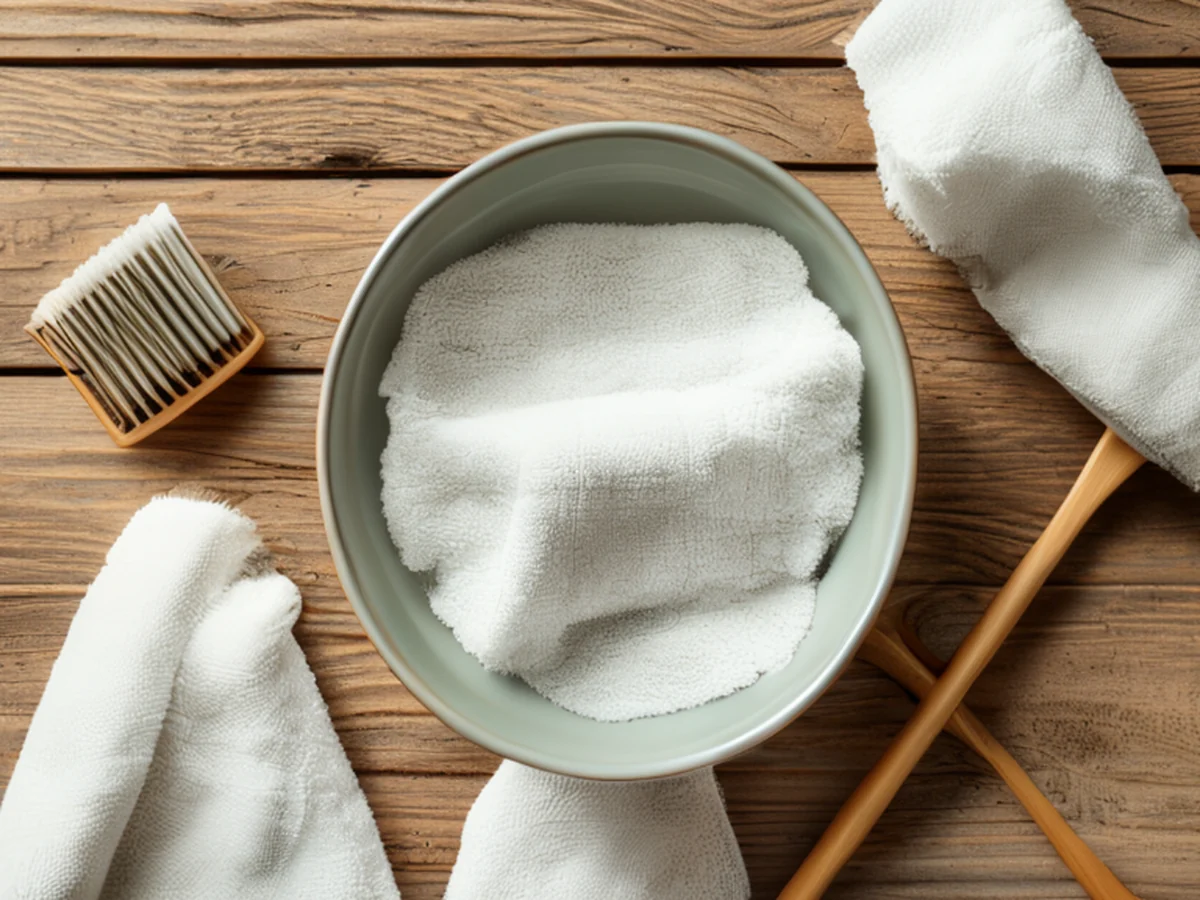
Establishing a consistent routine prevents the buildup of bacteria and odors in a confined space.
Effective sanitation requires a balance of daily spot cleaning and deep weekly scrubbing. For small pets, hygiene is not just about smell; it is about preventing respiratory issues and skin infections caused by ammonia buildup.
A small animal clean care guide should prioritize the removal of soiled bedding and food remnants immediately.
Regularly checking for clean surfaces keeps the animal comfortable. Proper ventilation must be maintained during every cleaning session to ensure no dust-heavy bedding enters the air.
What are the best pet small animal hygiene practices?
At noon in the kitchen, I scrub the water bottle nozzle until the cool metal feels smooth against my fingers for my small animal.
A hand reaches for a spray bottle to mist a cage corner, while another hand wipes down a water bottle nozzle. Keeping the water source and feeding area separate from the sleeping area is vital for hygiene.
According to the American Humane Association, 13% of intentional animal abuse cases involve domestic violence.
Pet small animal hygiene begins with the water supply, as stagnant water is a primary breeding ground for bacteria. You must scrub water bottles and bowls daily to prevent biofilm buildup. It is also important to keep food bowls clean to prevent mold from growing on leftover pellets or seeds.
Using pet-safe cleaners on hard surfaces ensures that no toxic residue remains where the animal might touch it. Separating living areas from waste areas helps maintain a stable environment.
How can I implement advanced cage maintenance?
An owner pulls a large wire cage into a bathtub area to rinse it thoroughly with warm water. Deep cleaning involves more than just changing the bedding; it requires a complete breakdown of the habitat.
Advanced cage maintenance involves a full disinfection of all hard surfaces, including bars, floors, and corners. This process should happen once a week or according to the specific needs of the species.
You must remove all bedding and inspect the cage for any sharp edges or cracks that could cause injury.
Use a mild, non-toxic soap to scrub the entire structure. After rinsing, ensure the cage is completely dry before reintroducing the animal to prevent dampness-related health issues.
What are the steps for disease prevention for small pets?
A person carefully checks the underside of a wooden hideout, looking for signs of pests or dampness. Preventing illness requires a proactive approach to how the animal interacts with its surroundings.
According to the CDC, the CDC conducts infectious disease research on nonhuman primates (due to end, according to an announcement in November 2025), rabbits, mice, and other animals, while FDA requirements cover use of animals in pharmaceutical research.
Disease prevention for small pets involves several critical steps to ensure the habitat remains a safe haven.
- Remove all soiled bedding and wet spots immediately to prevent fungal growth. 2. Sanitize all toys and climbing structures to prevent the spread of pathogens. 3. Regularly inspect the cage for signs of pests like mites or insects.
After completing these steps, verify that the environment is dry and that the animal has immediate access to fresh, clean air. I find that checking the corners of the habitat during these steps helps identify hidden moisture.
How do I manage a small pet sanitation guide for different habitats?
A hand adjusts a mesh lid on a small enclosure, ensuring it is secure and clean. Different species require different approaches to sanitation depending on their specific biological needs.
A small pet sanitation guide must be adaptable. For example, an animal that digs requires much more frequent bedding changes than one that lives in a solid-base enclosure. You must also consider the materials used, such as wood versus plastic, when deciding on cleaning agents.
| Habitat Type | Primary Cleaning Focus | Frequency |
|---|---|---|
| Bedding-based | Ammonia and moisture control | Frequent |
| Hard-surface | Biofilm and bacteria removal | Daily/Weekly |
I always compare the cleanliness of the water bowl to the rest of the cage to ensure no cross-contamination occurs.
- Maintaining a sterile and organized habitat is the fundamental first step in responsible pet ownership.
- You will learn how to manage daily cleaning, follow advanced cage maintenance, and implement disease prevention for small pets.
- A person stands over a plastic bin, carefully removing soiled bedding to prepare for a fresh layer.
Related
- Hedgehog health guide 30°C why temperature matters
- Petz game popularity analysis: Why emotional triggers work
When is the clean environment most critical?
The clean environment is most critical when there is a sudden change in the animal's behavior or appearance. Any unusual signs in the animal must prompt an immediate review of the habitat's condition.
- Observe the animal for lethargy or labored breathing. 2. Check the cage for unusual moisture buildup or debris accumulation. 3. Review the sanitation schedule to confirm no step was missed.
This combination of observation and maintenance ensures that any developing issue is traced back to its root cause in the habitat. A proactive approach to the clean environment minimizes the chances of minor discomfort escalating into a serious health concern for the small pet.
This vigilance is part of responsible ownership.
How does the clean environment relate to the animal's well-being?
The clean environment directly influences the animal's physical comfort and susceptibility to illness. A well-maintained clean environment minimizes exposure to irritants that could affect the animal's sensitive respiratory system or skin.
Maintaining this clean environment is not merely aesthetic; it is a crucial aspect of preventative veterinary care.
- Proper air circulation within the clean environment supports the animal's breathing health. 2. The absence of ammonia buildup in the clean environment protects the animal's skin from irritation. 3. A clean environment reduces the likelihood of the animal encountering pathogens from soiled materials.
This constant upkeep of the clean environment contributes significantly to the animal's overall quality of life. If the clean environment is neglected, the animal faces increased risks of discomfort and infection.
When should I reassess my cleaning protocols?
You should reassess your cleaning protocols if you notice any sustained negative indicators in the animal or if the cage setup changes. A sudden shift in the animal's behavior signals that the current clean environment maintenance might be insufficient or incorrect.
- If the animal exhibits signs of distress, revisit the sanitation schedule. 2. If the cage setup undergoes a modification, adjust the cleaning routine accordingly. 3. If the animal shows signs of discomfort, it suggests the clean environment needs immediate review.
This reassessment ensures that the maintenance schedule aligns with the animal's current needs, maintaining the integrity of the clean environment.





Comments 0