Petz Ballz engine philosophy: How to build digital pets
"The digital life we nurture is often limited by the code that defines it, yet the spirit of the interaction remains constant."
The relationship between the early Petz games' graphics engine and their development philosophy lies in the efficient reuse of the Ballz engine to create living, reactive digital pets.
By leveraging this specific technical foundation, developers could focus on behavioral simulation rather than rebuilding core systems from scratch.
This article explores the technical background of Dogz and Catz, the PF Magic graphics engine, and the Petz game engine origin to understand how these tools shaped the user experience.
How did the Petz Ballz engine philosophy shape the games?

Late at night in the dim studio, the developer taps the desk as the petz engine logic breathes life into shifting sprites.
A developer stares at a monitor, adjusting the sprite layers to ensure a seamless transition between animations. The Petz Ballz engine philosophy centered on creating a versatile framework that could handle various creature types through shared logic and visual assets.
This approach allowed for rapid iteration of different species while maintaining a consistent feel across the software.
The Dogz Catz tech background reveals that the core engine was designed to handle sprite-based interactions and basic AI routines simultaneously.
By using a unified engine, the developers ensured that the movement and collision physics felt familiar whether the user was interacting with a dog or a cat. This technical consistency was vital for building a recognizable brand identity in the early days of digital pet simulation.
The PF Magic graphics engine provided the necessary visual depth to make 2D sprites feel more alive through layered animations. This engine allowed for subtle changes in posture and expression, which were essential for the emotional connection players felt with their virtual pets.
Because the engine was robust, the developers could focus on refinement rather than fundamental restructuring.
The Petz game engine origin is rooted in the need for a lightweight yet expressive system that could run on consumer-grade hardware. Developers wanted a way to simulate life without the overhead of high-end 3D modeling, which led them to perfect the 2D sprite-based interaction model.

This decision shaped the entire trajectory of the franchise.
What was the tech behind Dogz Catz?
In the quiet office at midnight, the programmer clicks a mouse as the petz code triggers a sudden flash of light on the screen. A designer clicks through a menu, testing how a single line of code affects the way a character walks across a digital room. The Dogz Catz tech background demonstrates how a single engine could support multiple animal types by varying the sprite sets while keeping the underlying logic identical.
This allowed for a cohesive ecosystem where different pets could coexist in the same digital space.
The efficiency of the engine meant that memory could be allocated to more complex behavioral scripting. Instead of spending resources on heavy rendering, the software prioritized the way animals reacted to the player's input.
This balance ensured that the pets felt responsive and "alive" within their limited environments.
I remember looking at the sprite sheets and wondering how a single engine could make such different animals feel so unique. I realized that the core logic was the constant, while the visual assets provided the specific identity for each species.
The technical foundation was built on three primary pillars: 1. Sprite-based animation layering to manage movement and expression. 2. A centralized AI controller that handled basic needs and environmental triggers. 3. A collision and interaction system designed for intuitive user input.
A final check of the code would ensure that the sprite transitions did not break the physics of the environment.
What makes the PF Magic engine unique? A hand moves a mouse, carefully aligning a pet's shadow with its body to create a sense of depth. The PF Magic graphics engine was built to manage the visual layering required to make 2D sprites appear to occupy a three-dimensional space.
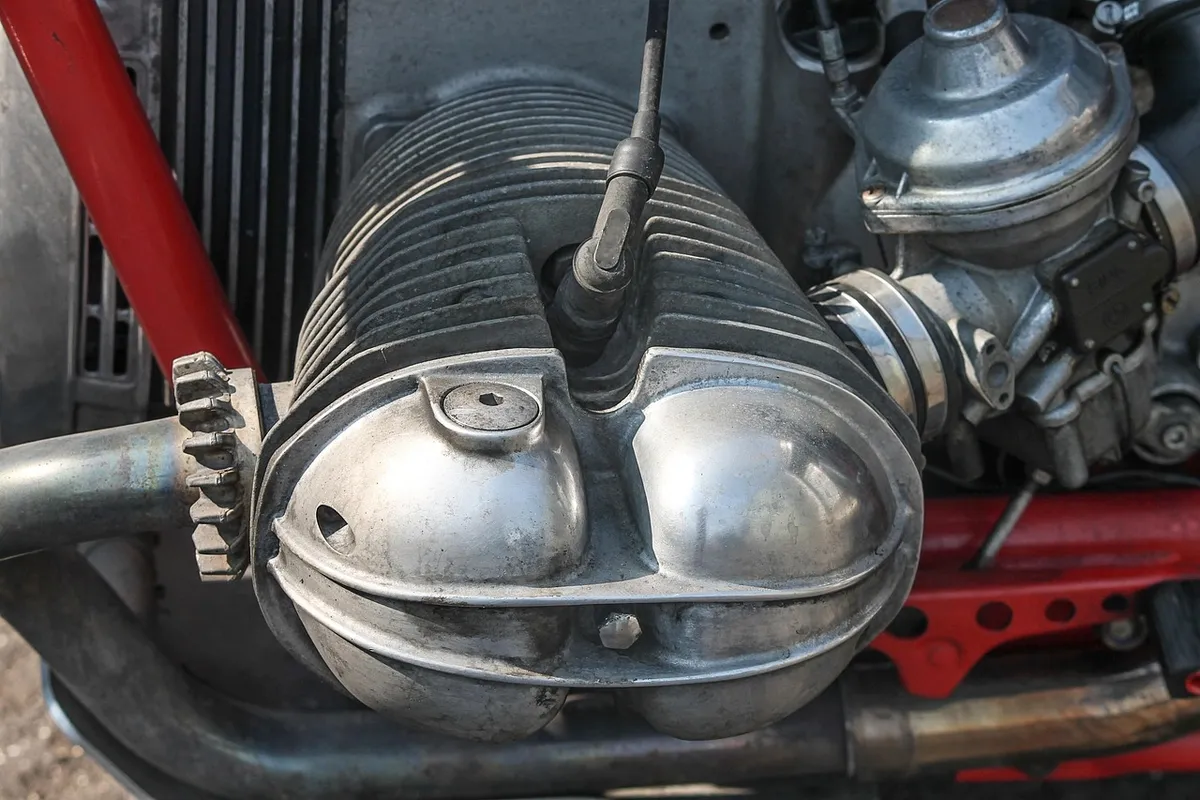
This was achieved through clever use of transparency, shadow effects, and layered animation frames.
The engine allowed for "living" textures where subtle movements could be applied to static images. This gave the pets a sense of breathing and shifting weight, which was a significant achievement for the era. The focus was on personality through visual nuance rather than raw polygon counts.
The engine's ability to handle multiple moving parts made it possible to have several pets on screen at once without significant lag. This was crucial for the social aspects of the games, where players could interact with multiple animals in a single view.
The visual stability allowed the simulation to run smoothly during high-activity periods.
What is the Petz game engine origin?
The software developer sits in a quiet office, reviewing the early prototypes of the Ballz engine. The Petz game engine origin is tied to the desire to create an accessible, high-quality pet simulation that didn't require massive computing power.
The goal was to bridge the gap between simple digital toys and complex life simulators.
By creating a versatile engine, the developers established a platform that could be expanded with new content easily. This foresight allowed the franchise to grow as new animal types and features were introduced.
The engine was the heartbeat of the development process, dictating what was possible in terms of gameplay.

The transition from the original engine to the versions used in Dogz and Catz shows a clear evolution of thought. The developers moved from simple interaction to more complex emotional simulation, all while staying within the technical constraints of their established framework.
| Feature | Ballz Engine Focus | Petz Game Goal |
|---|---|---|
| Animation | Sprite-based layering | Expressive personality |
| AI Logic | Shared behavioral code | Realistic pet interaction |
The development of these tools was a careful balance of technical feasibility and creative vision.
- How did the Petz Ballz engine philosophy shape the games?
- What was the tech behind Dogz Catz?
- What makes the PF Magic engine unique?
The same subject is also called Ballz engine development intent.
This part also covers Dogz Catz technical roots.
This part also covers PF Magic development ethos.
Dogz Catz technical roots
Related





Comments 0