Breed-Specific Habitat Guide to Prevent Rabbit Health Risks
"A one-size-fits-all cage is a silent threat; understanding the unique biological needs of your rabbit's breed is the difference between a thriving pet and a stressed survivor."
Choosing the right habitat for a rabbit is not just about finding a box that fits their body. It is about matching the space to their specific genetic blueprints, metabolic rates, and natural instincts.
Key Takeaways * Size Matters: Large breeds like Flemish Giants require massive floor space to prevent muscle atrophy, while dwarf breeds need specialized enrichment to prevent obesity.
* Temperature Sensitivity: Breed-specific coat density dictates the critical thermal range, which should ideally stay between 60°F and 73°F (15°C–23°C). * **Activity vs.
Instinct:** High-energy breeds require "free-roam" capabilities, while smaller breeds need secure, low-profile enclosures to mitigate flight-instinct stress.

Why does breed-specific environment matter for rabbit health?
I remember sitting on the floor of my living room in Seattle, watching my massive Flemish Giant stretch his paws against the hardwood. He looked like a small dog, and the tiny rabbit hutch I had initially considered would have been a death sentence for his joints.
The biological link between a rabbit's breed and its environment is profound. Different breeds possess varying metabolic rates and bone densities, meaning the space they occupy directly affects their internal health.
If a rabbit's environment does not allow for natural movement, they face a much higher risk of GI stasis—a life-threatening digestive shutdown—and pododermatitis, commonly known as sore hocks.
The concept of "Environmental Enrichment" vs. "Physical Confinement" is the deciding factor in rabbit longevity. A cage that is just large enough to hold the animal is a confinement cell. A proper habitat provides the ability to stretch, jump, and burrow.
When the environment fails to meet these instinctual needs, the rabbit's psychological well-being collapses. This can manifest as repetitive grooming or aggression.
The goal is to provide space that honors their history. Some breeds were bred to run across open fields, while others were bred to navigate tight, rocky crevices. If you provide a "one-size-fits-all" setup, you are essentially ignoring the very traits that make your rabbit a unique living being.
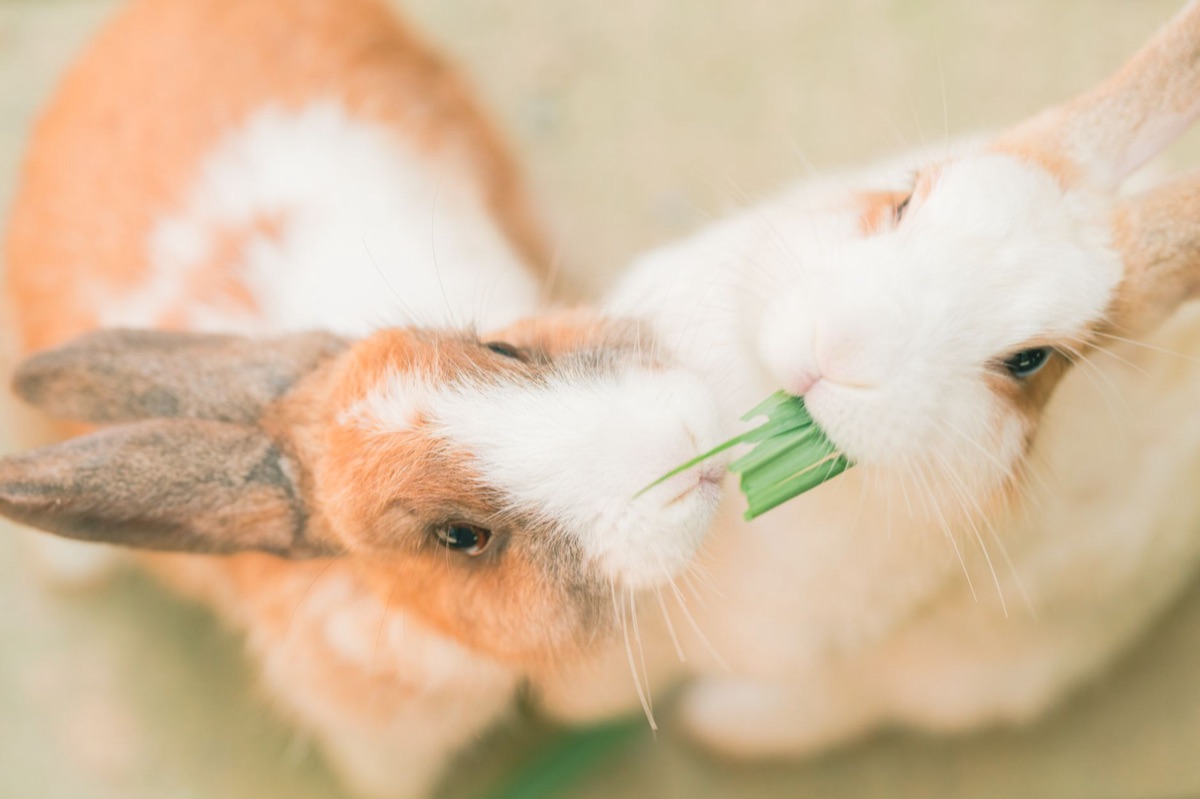
Large Breeds (Flemish Giant, Continental Giant): How much space is enough?
Walking into a room with a Flemish Giant feels like preparing for a visit from a small pony. You realize quickly that the standard pet store cages found in suburban homes are essentially decorative than functional for a rabbit of this scale.
For these giants, the minimum floor area calculation is critical. To prevent muscle atrophy and joint issues, the floor space should be at least four times the length of the rabbit.
Because these animals can weigh significantly more than their smaller cousins, structural integrity is the primary concern. Using thin wire mesh floors is dangerous; the weight can cause limb injuries or permanent foot damage. Instead, solid, non-slip flooring is mandatory.
Managing the "Giant" appetite also requires a specialized setup. You cannot use standard-sized hay feeders; they will be tipped over or broken within a week. Heavy-duty, floor-based hay feeders are necessary to accommodate their massive intake.
Exercise for large breeds cannot be limited to a small enclosure. They require a dedicated "run" or a large, rabbit-proofed room for daily movement. Without the ability to take full strides, these heavy-bodied rabbits will quickly develop obesity and skeletal issues.
| Feature | Large Breed Requirements | Small/Dwarf Breed Requirements |
|---|---|---|
| Primary Space Need | Wide floor area for stretching | Verticality and enrichment zones |
| Floor Type | Solid, reinforced, non-slip | Low-profile, easy-to-clean |
| Main Risk | Muscle atrophy & joint strain | Obesity & metabolic disease |
| Movement Style | Full-stride running | Sprints and jumping |
Dwarf & Small Breeds (Netherland Dwarf, Holland Lop): Managing the micro-environment?
I once watched a Netherland Dwarf rabbit try to "work out" in a cage that was far too large for its small frame. Instead of running, the rabbit simply paced nervously, its tiny heart racing. It was a clear sign that the space was not being used for exercise, but for anxiety.
The "Small Space" trap is a common mistake. Because these rabbits are small, owners often think they can live in compact enclosures. This leads to rapid obesity and metabolic diseases. While they don' ability to run long distances, they still need room to maneuver.
Using a mix of verticality and floor space is the best approach. While they need floor space to prevent weight gain, multi-level setups can provide the mental stimulation they crave.
However, you must ensure that the jumps between levels are easy to navigate, especially as these breeds can become seniors more quickly than larger breeds.
Safety protocols are vital because small breeds often have high-energy or high-anxiety temperaments. Their enclosures must be secure to prevent them from squeezing through gaps. To satisfy their natural burrowing instincts, incorporate smaller-scale digging boxes or tunnels.
This provides the "work" they need to stay mentally sharp without requiring a massive footprint.
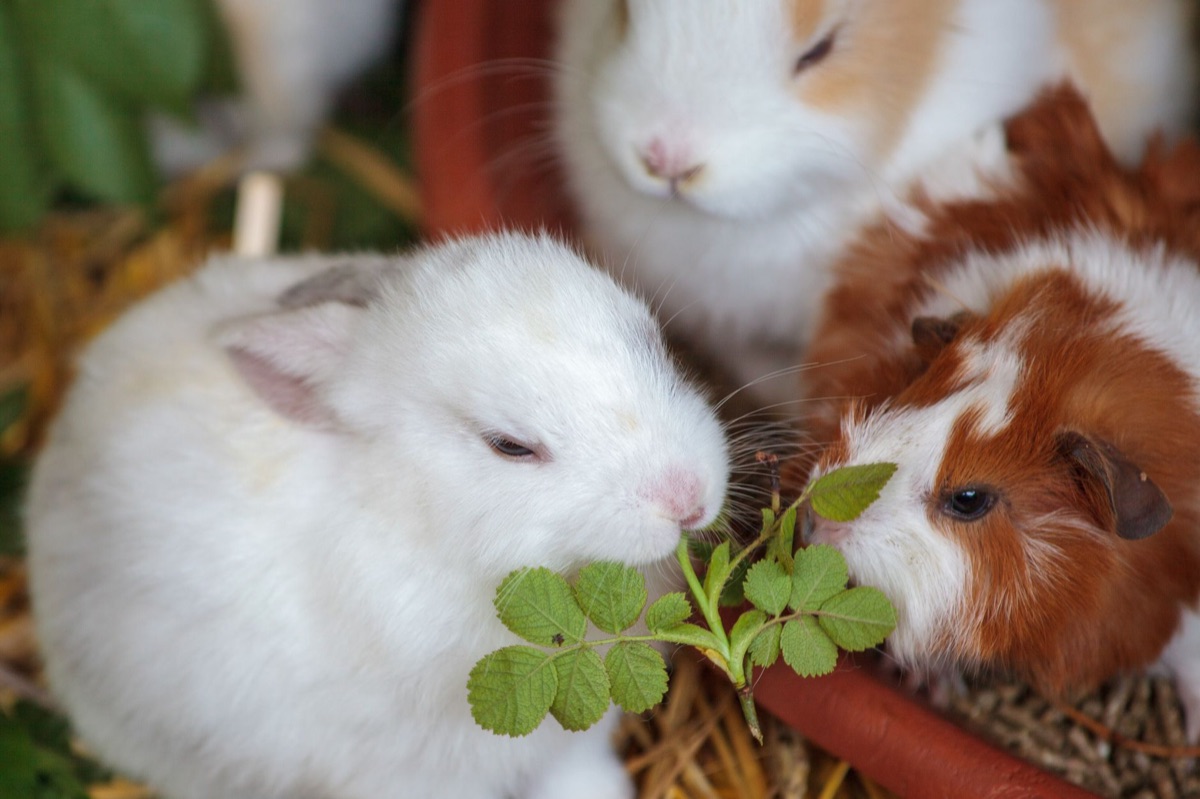
Lop-Eared Breeds (Holland Lop, French Lop): Special care for ear-specific health?
When you look at a Holland Lop, the first thing you notice is the heavy, drooping ears. While they are incredibly endearing, those ears change the entire environmental equation for the animal.
The Ear Hygiene Factor is the most important management task. Because their ear canals are partially covered, humidity and poor airflow can lead to ear infections, or Otitis. You must ensure the habitat has excellent ventilation to prevent moisture buildup.
Environmental setup should also account for the physical structure of the lop. Avoid floor-level drafts, as the ear shape can sometimes make them more sensitive to temperature shifts around the head. Using ear-friendly bedding—something that doesn't trap moisture against the folds—is essential.
Daily physical check-ups are a non-negotiable part of lop ownership. You should perform regular visual inspections for ear canal cleanliness. Because lop-eared breeds can sometimes have different mobility patterns during play, you must also monitor their weight.
An overweight lop can put extra strain on the neck and head, further complicating ear health.
The Universal Checklist: How to optimize any rabbit's living space?
Regardless of whether you have a giant or a dwarf, the fundamental principles of rabbit husbandry remain the same. A well-organized habitat reduces stress and makes cleaning manageable.
To set up an optimal space, follow these steps: 1. Flooring: Ensure the surface is non-slip and solid to protect their sensitive paws. 2. Ventilation: Create an airflow-rich environment to prevent heat-related illness. 3.
Hideout: Provide at least one dark, enclosed space where the rabbit feels safe. 4. Feeding Station: Place hay and water in a way that encourages natural grazing. 5. Litter Area: Designate a specific corner for waste to encourage litter training.
Temperature control is the universal constant. You should aim to maintain the 15°C–23°C (60°F–73°F) window across all breeds. If the room gets too hot, the rabbit is at risk of heatstroke; if it is too cold, they may struggle with thermoregulation.
The "Two-Exit Rule" is a psychological necessity. Every enclosure or play area should have at least two ways out. This prevents the rabbit from feeling "cornered" during play or when they are startled, significantly reducing anxiety. Finally, maintain a strict hygiene schedule.
Clean feeding areas daily to prevent mold and bacterial growth, which can be fatal to sensitive rabbit digestive systems.
#



Comments 0