Small Animal Clean Care How to Manage Rodent Waste
"Proper hygiene is not merely a matter of aesthetics but a fundamental pillar of animal health and safety."
This guide covers essential cleaning steps, how to manage rodent-related hazards, and the importance of regular maintenance for a healthy environment.
Key takeaways: 1. Implement routine cleaning to prevent disease buildup. * Follow specific safety protocols when handling rodent waste. * Understand the relationship between environment and animal coping mechanisms.
How do I manage rodent waste safely?

At noon, I pull on thick gloves to avoid touching the small, soiled cage.
Safety is the first priority when dealing with small animals that produce waste in confined spaces.
To minimize risks, avoid stirring up dust during the cleaning process, which can lead to inhalation of contaminants. Instead, focus on wet cleaning methods or careful containment of soiled bedding. This approach reduces the aerosolization of pathogens that might be present in the habitat.
What are the essential steps for habitat sanitation? Small Animal Clean Care
The owner carefully gathers fresh bedding, a scrub brush, and a mild disinfectant before beginning the weekly deep clean. A structured routine prevents the accumulation of odors and bacteria that can stress small animals.
To maintain an optimal environment, follow these three steps:
- Remove all soiled bedding and food bowls from the enclosure. 2. Wash hard surfaces using a pet-safe disinfectant to eliminate lingering bacteria. 3. Replace old bedding with fresh, high-quality materials to provide a clean substrate.
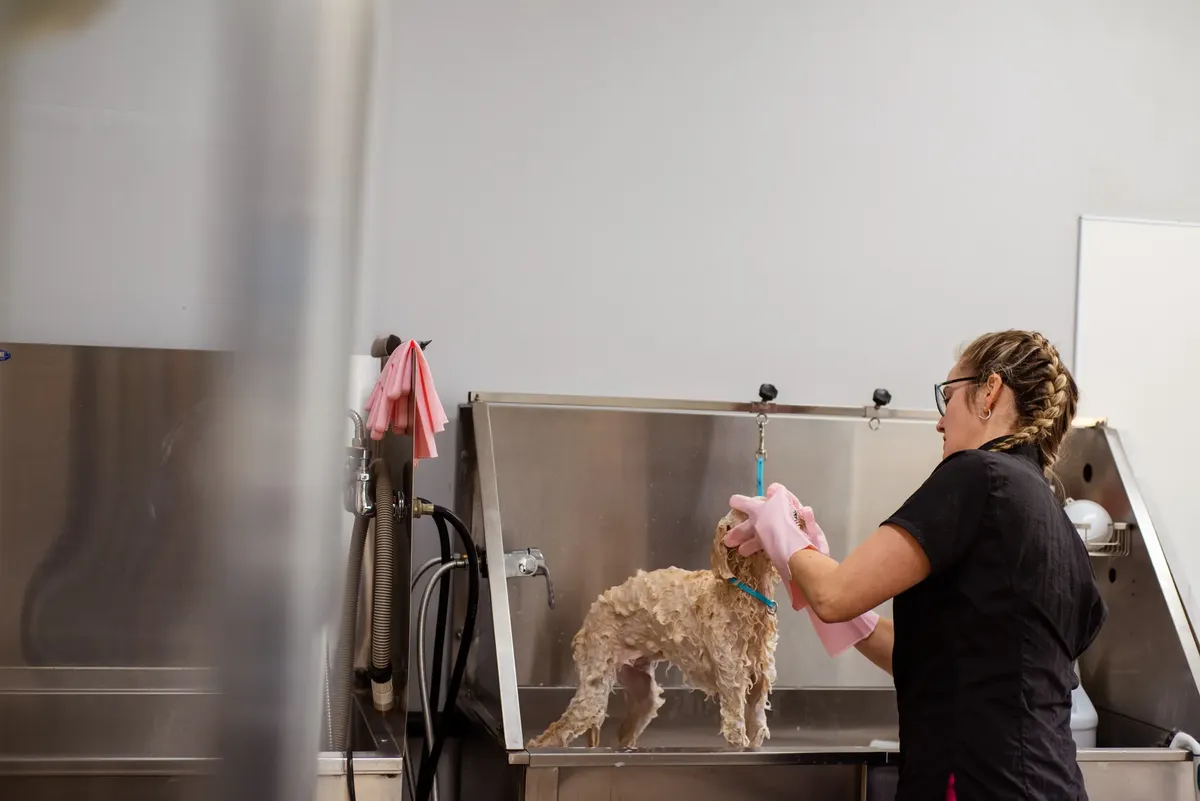
After completing these steps, perform a final check to ensure no chemical residues remain that could irritate the animal's sensitive respiratory system. I always ensure the enclosure is completely dry before reintroducing my pets to prevent moisture-related issues.
How does the environment affect animal welfare?
An animal settles into a clean, spacious enclosure, moving comfortably without the interference of damp or soiled corners. The physical space directly influences how an animal interacts with its surroundings.
According to the European Union Council, legislation passed in 2009 aimed to reduce animal suffering during slaughter, leading to the banning of conventional battery cages for laying hens across the Union on 1 January 2012.
According to a 2023 report by the Animal Welfare Institute, animal welfare claims by companies selling meat and poultry products lack adequate substantiation in roughly 85% of analyzed cases.
The environment is a primary factor in how animals cope with their daily lives. The Terrestrial Animal Health Code of the World Organisation for Animal Health defines animal welfare as how an animal is coping with the conditions in which it lives.
If the habitat is poorly maintained, the animal may experience heightened stress, which can negatively impact its physical health. Keeping the environment clean ensures that the animal can focus on natural behaviors rather than struggling with uncomfortable or unsanitary conditions.
What are the risks of improper cleaning?
A person pauses while looking at a dusty corner of a cage, realizing that fine particles can easily spread through the air. Neglecting deep cleaning can lead to more than just bad smells; it can create significant health risks.
| Aspect | Risk of Neglect | Benefit of Routine |
|---|---|---|
| Pathogen Control | High bacterial buildup | Reduced disease transmission |
| Air Quality | Dust and ammonia accumulation | Clearer, safer breathing |
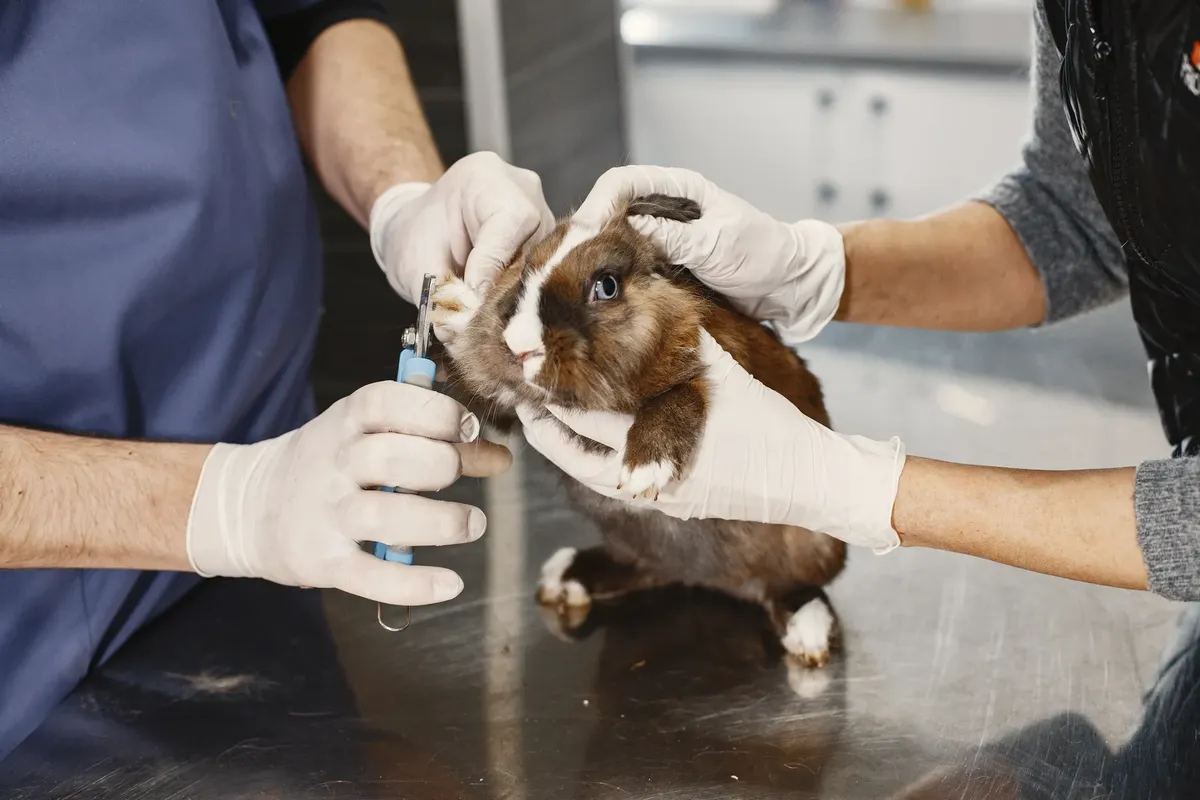
Properly managed sanitation prevents the buildup of ammonia and dust, which are common in small animal habitats. Regular maintenance ensures that the living area remains a safe haven rather than a source of illness.
How can I maintain a consistent cleaning schedule?
A calendar sits on the desk next to the pet supplies, with specific days marked for deep cleaning and daily spot checks. Consistency is the key to preventing overwhelming tasks and maintaining a stable environment.
To sustain a clean habitat, establish a tiered schedule: 2. Daily: Remove uneaten food and spot-clean soiled areas. * Weekly: Perform a mid-level cleaning of all bowls and accessories. * Monthly: Conduct a full deep clean of the entire enclosure.
This routine keeps the workload manageable and ensures the animal's health is never compromised by sudden, massive cleanups. Consistent habits are easier to maintain than reactive, infrequent scrubbing.
- Maintaining a clean habitat for small animals requires consistent sanitation protocols and careful handling of waste to prevent health issues.
- A person reaches for a pair of heavy-duty gloves before touching a soiled cage to ensure no direct contact with pathogens.
- When cleaning up after rodents, it is vital to follow established safety guidelines to prevent the spread of disease.
The subject here is Small Animal Clean Care.
The same subject is also called Pet Habitat Hygiene Tips.
The same subject is also called Clean Cage Setup Guide.
The same subject is also called Small Animal Health Care.
The same subject is also called Optimal Pet Environment.
This part also covers Professional Animal Care Standards.
This part also covers Best Practices for Pet Hygiene.
This part also covers Expert Advice for Pet Owners.
Professional Animal Care Standards
Related



Comments 0