Cat blue tumor diagnosis: Imaging and clinical observation
The subject here is Cat blue tumor diagnosis.
A cat blue tumor diagnosis involves identifying neurological changes through imaging and clinical observation to manage aggressive growths. This guide covers the essential signs, diagnostic processes, and potential management strategies for owners facing this difficult reality.
Key takeaways: * Recognizing subtle behavioral changes is the first step in identifying neurological issues. * Advanced imaging like MRI is often necessary for a definitive diagnosis. * Treatment focuses on quality of life and symptom management.
What are the signs my cat has a blue tumor? A veterinarian examines a quiet, lethargic cat on an examination table, looking for subtle shifts in coordination. Identifying the primary indicators of a neurological mass is vital for early intervention.

Feline brain tumor signs often manifest as sudden behavioral shifts or physical instabilities. Owners might notice a cat stumbling, losing balance, or appearing disoriented in familiar spaces.
These changes can sometimes be mistaken for simple aging or clumsiness, but they often signal something more serious within the central nervous system.
Seizures are another common indicator that requires immediate attention. Some cats might experience sudden muscle tremors, staring spells, or complete loss of consciousness. These episodes can vary in intensity and duration, making them a critical piece of the diagnostic puzzle.
Vision changes can also occur if the tumor affects specific brain regions. A cat might bump into furniture or fail to respond to visual stimuli. Monitoring these specific shifts helps in gathering the necessary information for veterinary teams.
* Changes in appetite or water consumption. * Sudal loss of coordination or ataxia. * Sudden aggression or personality changes.
In this sequence, the first sign is the most critical to notice.
How to manage advanced tumor diagnostic methods? Cat blue tumor diagnosis
A technician prepares a high-resolution MRI machine in a quiet veterinary imaging suite. This process is essential for determining the exact location and size of a mass.
Advanced tumor diagnostic methods require precise imaging to differentiate between various types of growths. Detailed scans allow veterinarians to see the structure of the brain and how much pressure is being applied to surrounding tissues.
This clarity is necessary before any surgical or medical intervention is considered.
Blood work is typically performed alongside imaging to rule out metabolic issues that might mimic neurological symptoms. While blood tests cannot confirm a tumor, they provide a baseline of the cat's overall health.
This ensures that the patient is stable enough for more invasive diagnostic procedures.
Neurological exams involve testing reflexes, pupil response, and sensory perception. These physical checks help map the functional impact of the mass on the cat's body. A professional assessment provides a roadmap for the next steps in clinical care.
- Schedule an appointment with a veterinary oncologist.
- Arrange for specialized imaging such as MRI or CT scans.
- Discuss the results to determine the stage of the tumor.
How to diagnose cat tumors through clinical observation?
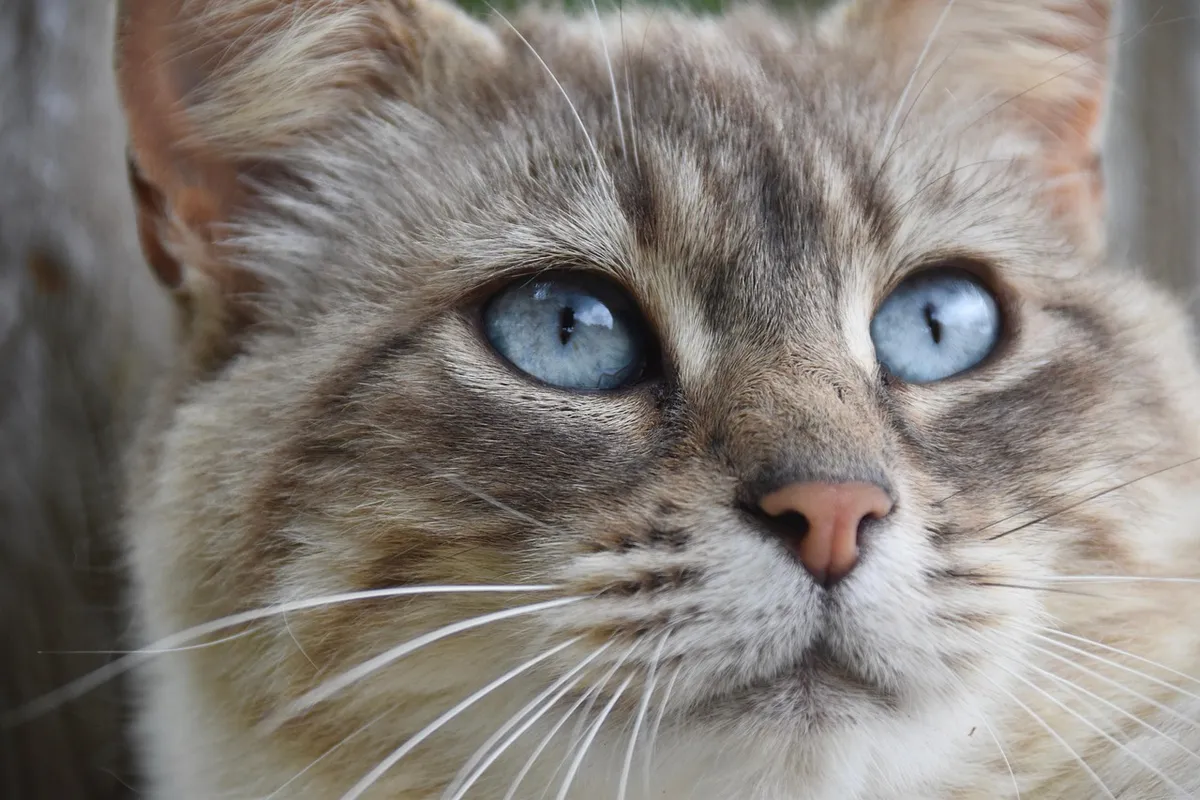
I watched closely as the vet moved the ophthalmoscope, checking the way the light hit the feline's eyes. Observational skills are just as important as the technology used in a clinic.
Clinical observation involves watching how a cat interacts with its environment over time. Subtle changes, such as a preference for lying in dark corners or difficulty jumping onto a favorite perch, can be telling. Documentation of these events helps create a timeline of disease progression.
The relationship between the timing of symptoms and the cat's activity level is another key factor. Some symptoms might only appear when the cat is excited or tired. Tracking these patterns provides a more complete picture than a single snapshot in time.
Physical changes like head tilt or abnormal eye movements can also be documented. These visible signs often correlate with specific areas of the brain being affected. Consistent logging of these behaviors assists in making informed decisions about the level of care required.
I find that the second step in this process is the most detailed.
How can I manage my cat's brain cancer with palliative care? A caregiver carefully adjusts a soft bed in a quiet corner of the living room to ensure comfort. Palliative care focuses on minimizing pain and maximizing the time spent in a peaceful environment.
Managing feline brain cancer often centers on symptom relief and quality of life. Since many brain tumors are aggressive, the goal shifts from a cure to comfort. Medications may be used to control seizures, reduce inflammation, or manage pain.
Maintaining a consistent routine can help reduce anxiety for a neurologically compromised cat. Keeping the environment predictable helps prevent sensory overload. A stable routine provides a sense of security when the cat's internal world is changing.
Nutritional support is also a pillar of palliative management. Ensuring the cat has easy access to food and water is essential, especially if coordination is impaired. Adjusting the environment to make feeding easier can prevent secondary health issues.
In this order, the second step is the longest.
Can we address the limits of veterinary care for blue tumors?
A veterinarian reviews a scan, noting the complex boundaries between the mass and healthy brain tissue. Understanding the limitations of current medical science is part of the journey.
Veterinary care for blue tumors is often limited by the aggressive nature of the growth and its location. Some tumors are located in areas where surgery is too risky, making medical management the only viable path. In these cases, the focus remains strictly on comfort.

The prognosis is heavily influenced by the specific type of tumor and how early it was caught. While some cats may respond to treatment for a period, the long-term outlook can be challenging. This reality requires owners to have difficult conversations about end-of-life care.
A limitation exists when a tumor is located in a highly sensitive area of the brain where surgical removal would cause more harm than good. In such specific cases, the focus remains on managing the symptoms rather than attempting to remove the mass.
I believe the second point in this sequence is the most significant.
The subject here is Cat blue tumor diagnosis.
The same subject is also called Blue tumor treatment options.
Related







Comments 0