Reptile Hide Guide: How To Ensure Your Pet Feels Safe
"A secure hiding spot is not just a luxury; it is a psychological necessity for a reptile to thrive."
A proper reptile hide provides the thermal stability and visual security necessary to reduce stress and mimic natural environments. This guide covers material selection, sizing, placement, and multi-layer setups to ensure your pet feels safe.
* Understanding the role of security in reptile health. * Choosing materials like cork bark or slate for durability and insulation. * Sizing hides to match the specific body mass and growth stage of your pet. * Strategic placement to create thermal gradients. * Creating multi-layer environments for complex behaviors.
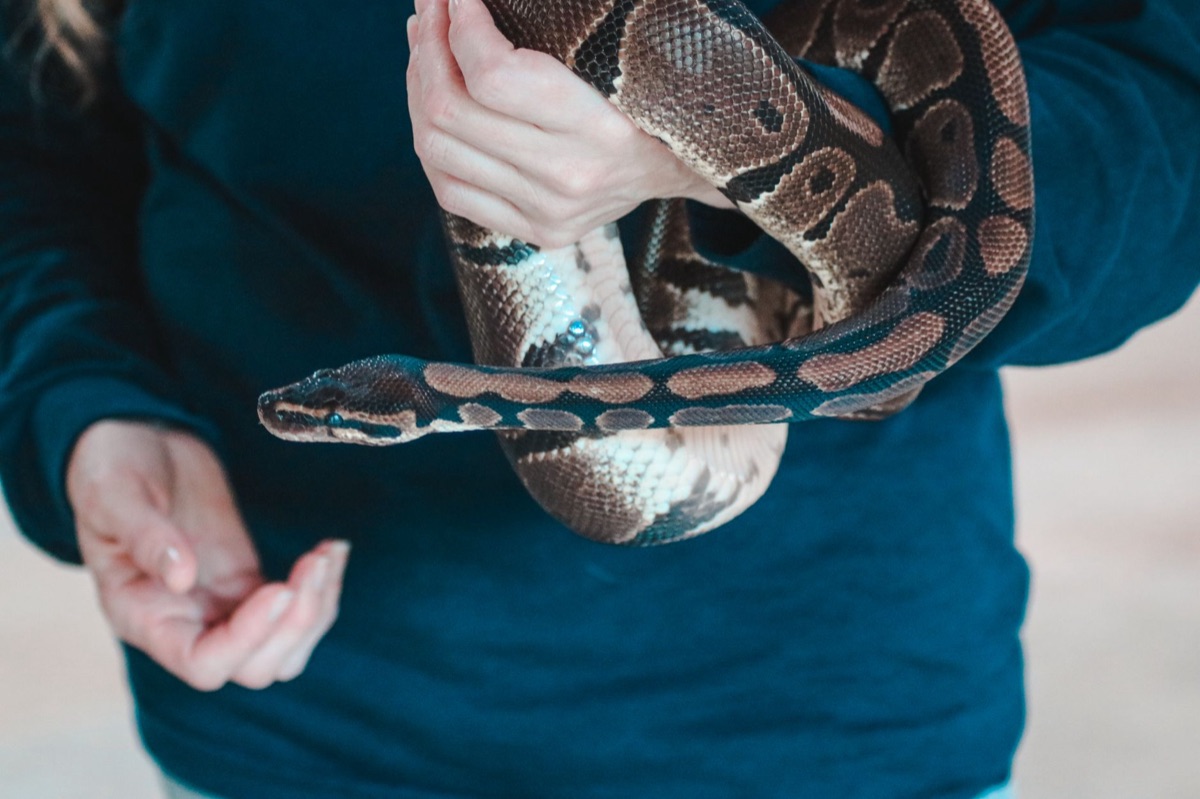
Why does a simple box feel insufficient?
A bearded dragon sits motionless on a flat piece of slate, eyes scanning the room while its tail twitches slightly. For a reptile, a hollow box often fails to provide the tactile pressure or the specific humidity levels they require to feel truly secure.
A basic plastic hide often lacks the thermal mass or the natural texture that reptiles use to regulate their body temperature. For many species, a hide must do more than just block sight; it must provide a microclimate that mimics a crevice or a burrow.
If the hide is too large, the animal cannot maintain heat; if it is too small, they cannot turn around.
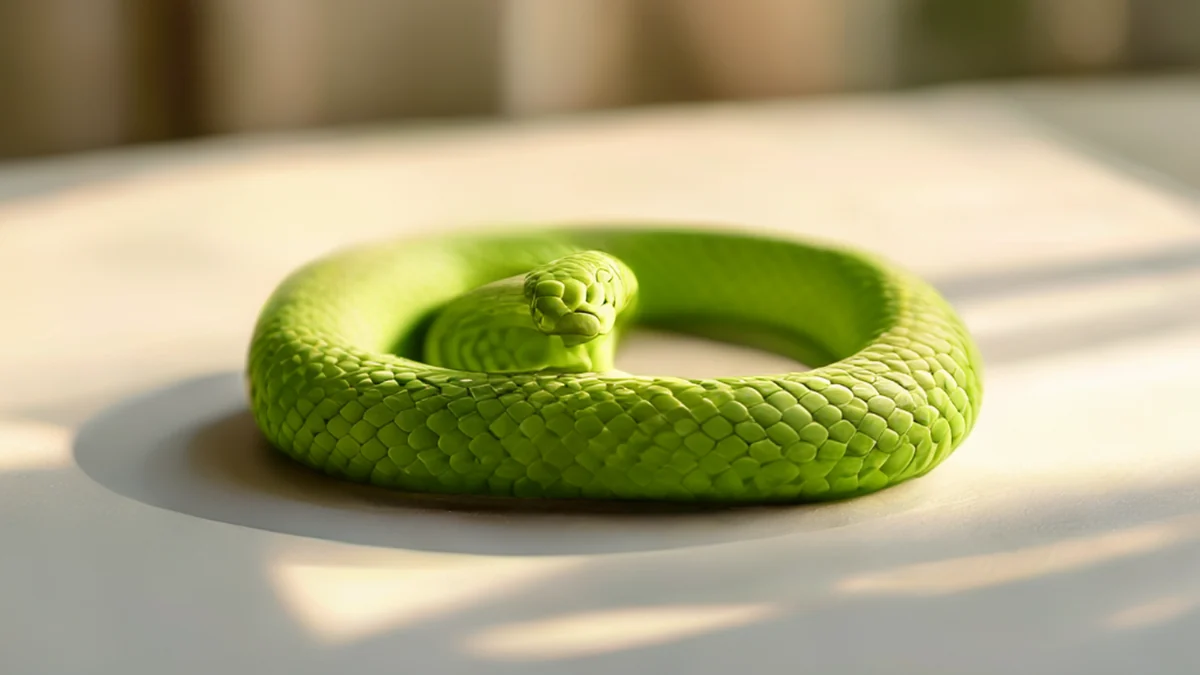
Which materials should I choose for insulation and texture? The sun hits a glass terrarium in the late afternoon, casting long shadows across a desert-themed enclosure. A small gecko scurries toward a textured piece of wood, disappearing into a dark, narrow slit.
Material selection is the foundation of a functional hide. Natural materials like cork bark offer excellent insulation and a grip-friendly surface, while ceramic hides are ideal for humid environments because they hold moisture well.
Slate or stone provides a heavy, stable thermal mass that stays cool in heat and warm in cool air.
| Material | Best Use Case | Primary Benefit |
|---|---|---|
| Cork Bark | Arboreal/Desert species | Natural aesthetics and excellent insulation |
| Ceramic | Tropical/High-humidity species | Maintains humidity and is easy to clean |
| Slate/Stone | Desert/Rock-dwelling species | Provides thermal mass and a natural feel |
| Resin/Plastic | Hatchlings/Temporary setups | Easy to clean and budget-friendly |
When selecting a material, consider the humidity requirements of your specific species. For instance, a tropical species might thrive in a heavy ceramic hide that holds moisture, whereas a desert species would benefit more from the dry, insulating properties of cork bark.

Is this size right for my animal? A juvenile leopard gecko struggles to squeeze into a decorative skull that looks perfect on a store shelf. The animal's sides rub against the entrance, causing visible irritation and preventing it from settling in.
The size and scale of a hide must be meticulously matched to the animal's body mass and maturity level. A hide that is too large allows heat to dissipate too quickly, preventing the reptile from reaching its preferred operating temperature.
Conversely, a hide that is too small can lead to physical injury or prevent the animal from turning around to sleep comfortably.
To ensure a perfect fit, follow these sizing rules: 1. Measure the length of the adult animal to ensure the hide can accommodate its full body. 2. For juveniles, select a smaller hide that offers tighter contact to help them retain heat. 3.
Ensure the entrance is wide enough for the animal to enter and exit without squeezing its midsection. 4. Verify that the internal volume allows for natural postures, such as curling up or stretching out.
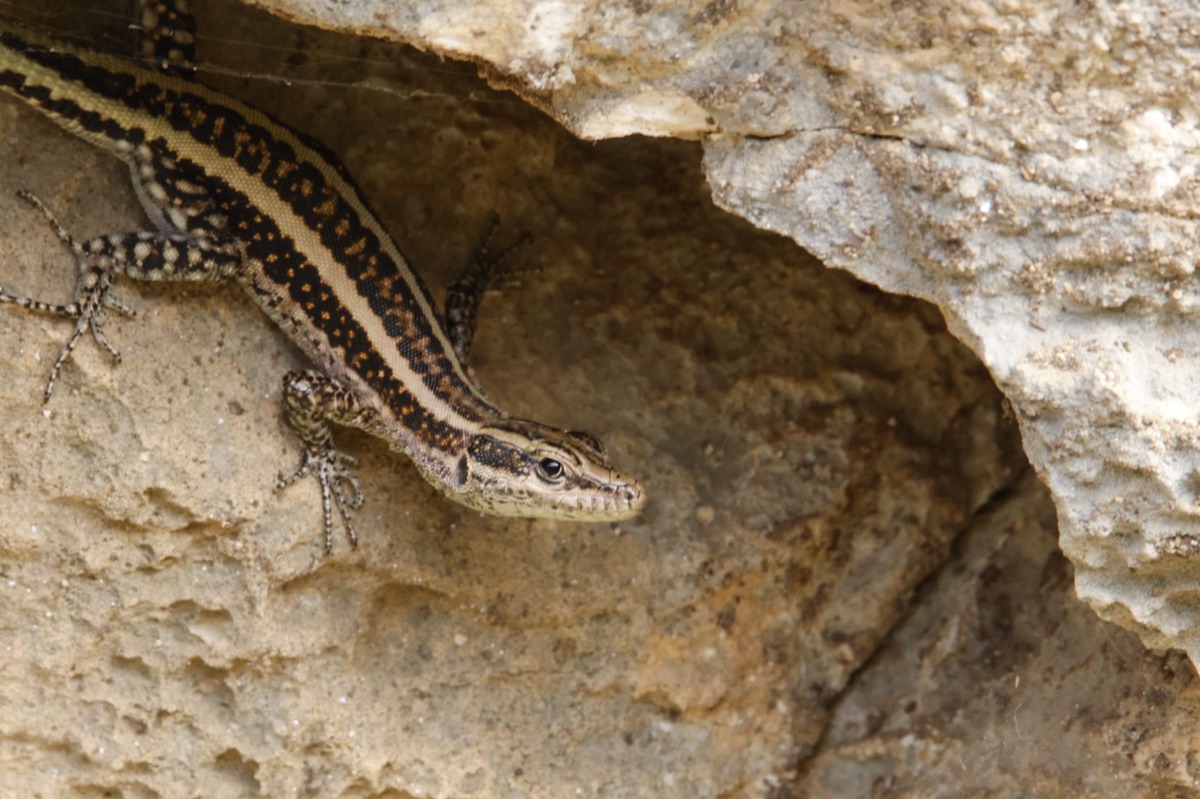
Where is the best place to put the hide?
A morning light crawls across the enclosure, hitting the warm side where a snake rests. On the cooler, shaded side, a different hide sits tucked against the glass, providing a dark refuge.
Placement is about creating a thermal gradient and a sense of security. Ideally, hides should be placed in both the warm and cool zones of the enclosure to allow the animal to thermoregulate effectively.
Positioning a hide against a wall or in a corner can provide extra security, as it prevents the animal from feeling exposed from behind.
I once noticed my crested gecko would only use a hide if it was tucked into a corner with a leaf overhang. It didn't just want a house; it wanted a corner where nothing could sneak up on it. This type of strategic placement mimics the natural behavior of seeking out crevices.
How can you implement multi-layer hiding?
A chameleon moves through a dense canopy of branches, shifting from one leaf-covered nook to another. It rarely sits in plain sight, constantly moving between layers of cover.
Multi-layer hiding involves creating a complex environment where there are primary, secondary, and tertiary hiding spots. A primary hide is a large, permanent structure, while secondary hides might be smaller crevices or hollowed-out logs.
This complexity allows the animal to choose between different levels of privacy and temperature.
- Establish a primary "home" hide that is larger and more stable. 2. Add smaller, secondary hides throughout the enclosure to encourage movement. 3. Use foliage or decor to create "visual breaks" that act as temporary hiding spots. 4. Rotate or add new layers as the animal grows to maintain environmental enrichment.
This layered approach prevents the animal from becoming "trapped" in one spot and encourages natural exploration.
When is a standard hide not enough?
A snake with a sensitive skin condition refuses to enter a plastic hide, preferring instead to wedge itself under a piece of loose bark. The animal looks uncomfortable, and the plastic surface seems to offer no relief.
A standard, single-opening hide is not sufficient for species that exhibit complex burrowing or climbing behaviors. For animals that naturally dig, a simple box will never satisfy their instinctual need to surround themselves with substrate.
Additionally, for highly active species, a single hide can lead to territorial stress if they feel they have nowhere else to go.
When I tried the steps in order, the second one is where I paused longest.
However, this does not apply in every situation.
A good hide should provide both thermal regulation and a sense of security. It should be made of materials like cork or ceramic that suit the animal's humidity needs and be sized correctly to allow the animal to turn around without being too large to hold heat.
Related


Comments 0