Beginner hedgehog care guide: Best hedgehog cage setup tips
"A tiny creature with sharp spines and a curious spirit requires much more than just a cage and a bowl of food to thrive."
Adopting a hedgehog involves preparing a specialized habitat, understanding insect-based nutritional needs, and establishing gentle socialization habits. This guide covers essential setup steps, dietary requirements, and behavioral management for new owners.
* Providing a temperature-controlled environment * Balancing insect-heavy nutritional needs * Building trust through gradual socialization * Recognging natural dietary proportions
How to start a beginner hedgehog care guide?

A new owner reaches into a bag of bedding to prepare the enclosure for the first time. Setting up a proper home is the foundation of a successful relationship with a small pet.
A proper habitat must provide enough space for movement while maintaining a stable temperature. Small animals often require secure enclosures that prevent escapes and provide hiding spots to reduce stress.
Because these animals can be sensitive to temperature shifts, a reliable heating source is often necessary to mimic their natural environment.
The first step is to select a secure, ventilated enclosure that allows for easy cleaning. Next, you should provide soft bedding and hiding places to ensure the pet feels safe. Finally, place the habitat in a quiet area of your home to minimize external disturbances.
I remember feeling the soft texture of the bedding while setting up my first enclosure, ensuring it was perfect for my new companion.
What is the best hedgehog setup for new owners?
The owner carefully adjusts the placement of a ceramic water dish inside the mesh cage. Creating a functional space requires balancing privacy with accessibility.
A successful setup focuses on both security and enrichment. You need to provide enough vertical or floor space for the animal to explore, alongside textures that encourage natural behaviors. It is also vital to include items that allow for nesting, such as fleece or specialized paper bedding.
A well-rounded setup includes a solid-bottom enclosure to prevent injury, a water source that is easy to clean, and various climbing or hiding structures. You should also ensure that any heating elements are placed safely to avoid overheating.
Ensuring the cage is positioned away from direct sunlight or heavy drafts helps maintain a consistent climate.
Understanding hedgehog feeding and housing needs
A hand carefully places a single mealworm into a shallow feeding bowl. Nutrition is a critical component of long-term health, especially for insectivores.
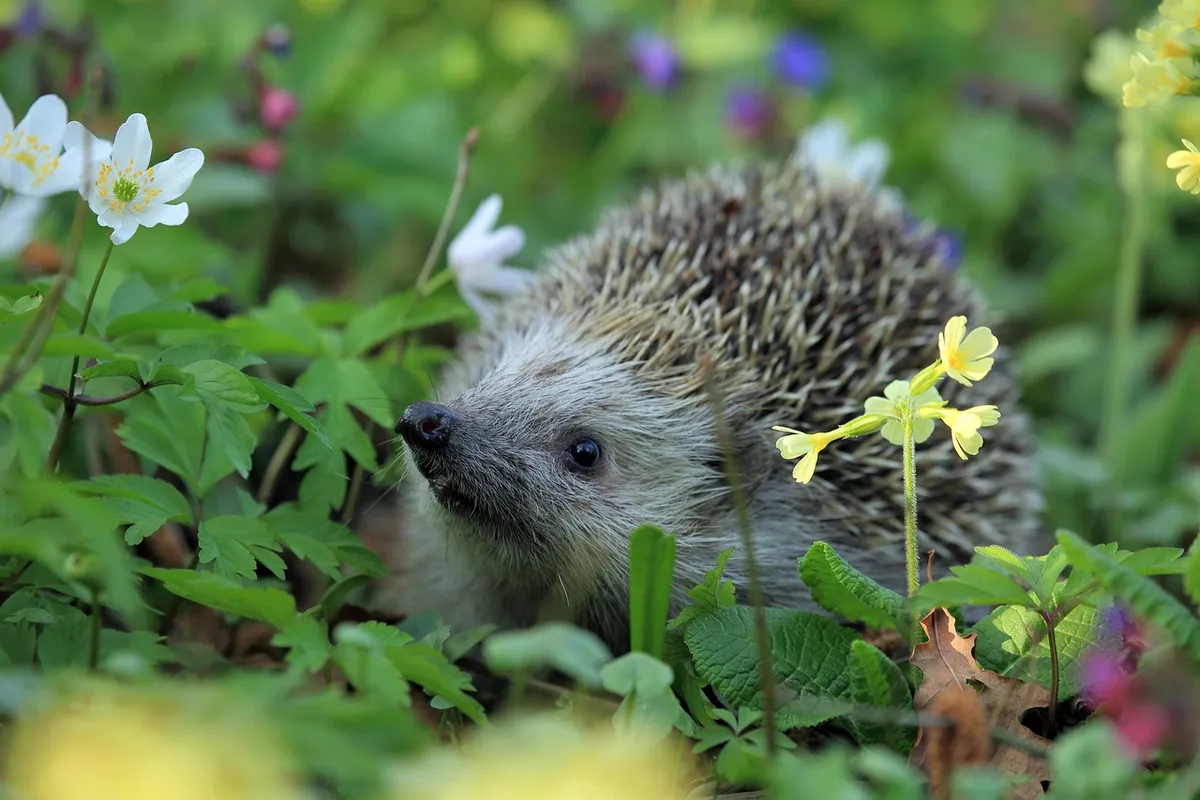
Dietary needs vary based on the specific species, but many hedgehogs are primarily insectivores. For example, the long-eared hedgehog has a diet where 70% consists of insects, supplemented by worms and small amounts of slugs or snails.
It is a common misconception that they only eat soft-bodied mollusks; in reality, slugs and snails comprise only about 5% of their natural diet.
A balanced diet should prioritize high-quality insect protein to meet metabolic demands. You should also monitor weight closely to prevent obesity, which can lead to health complications. Providing a variety of insects can help mimic natural foraging behaviors.
| Diet Component | Percentage in Wild Diet |
|---|---|
| Beetles | 30% |
| Caterpillars | 25% |
The breakdown of a wild hedgehog's diet includes 30% beetles, 25% caterpillars, 11% earthworms, 10% bird eggs, 5% mammal meat, 5% slugs and snails, 3% millipedes, 3% earwigs, 2% bees, 1% bird meat, and 5% that has been undefined by researchers.
How to manage socialization for baby hedgehogs?
A person sits quietly on the floor, gently moving a hand toward a small, curled-up shape. Building trust requires patience and consistent, gentle interaction.
Socialization is the process of getting the animal used to human scents and touch. This is often done through regular, calm handling sessions. For younger animals, this process is vital to prevent them from becoming overly defensive or fearful of human contact.
- Approach the enclosure slowly to avoid startling the animal. 2. Use gentle hand movements to allow the pet to sniff and investigate. 3. Offer small treats during handling to create a positive association. 4. Perform a final check of the environment to ensure no sharp objects can cause injury during play.
I found that sitting on the floor at the same level as the enclosure made the initial hand-approaching much more successful.
What are the limitations of hedgehog ownership?
A person looks at a calendar, noting the daily responsibilities of pet maintenance. Certain conditions can make ownership more challenging for some individuals.
Ownership is not suitable for everyone due to the specific environmental and nocturnal requirements of the animal. For instance, maintaining a precise temperature can be difficult in homes with inconsistent heating or cooling.

Additionally, the nocturnal nature of these animals means they are most active when most people are sleeping.
A limitation of this type of pet ownership is the requirement for constant climate monitoring, as sudden temperature drops can lead to health issues.
- How to start a beginner hedgehog care guide?
- What is the best hedgehog setup for new owners?
- Understanding hedgehog feeding and housing needs
The subject here is Beginner hedgehog care guide.
The same subject is also called How to keep a hedgehog.
This part also covers Best hedgehog cage setup.
Related
- Small Animal Clean Care How to Manage Rodent Waste
- Brushing vs. Bathing: Essential Guide to a Healthy Cat Coat
How does the tiny creature respond to environmental shifts? The tiny creature reacts negatively when the surrounding environment lacks stability. Maintaining a consistent temperature is crucial because sudden drops can cause health issues. Placing the enclosure away from heavy drafts ensures the animal does not expend energy trying to regulate its own body heat. A reliable heating source helps mimic the natural environment, providing a necessary condition for the creature's comfort.
A proper diet requires monitoring the weight of the tiny creature closely to prevent obesity. Providing a variety of insects helps the creature mimic natural foraging behaviors. While the long-eared hedgehog has a diet where 70% consists of insects, the selection of these insects should be diverse.
The breakdown of a wild hedgehog's diet includes 30% beetles and 25% caterpillars, illustrating the necessary protein sources.
Building trust requires patience and consistent, gentle interaction with the tiny creature. Socialization is the process of getting the animal used to human scents and touch through regular, calm handling sessions. When approaching the enclosure, one must avoid startling the animal by moving slowly.
Offering small treats during handling helps create a positive association, which is a key procedure in managing the creature's behavior.





Comments 0