Reptile hideout selection: Why matters for health
"A secure space is not a luxury for a reptile; it is a fundamental requirement for their physiological and psychological stability."
Choosing a reptile hideout requires balancing size, security, and environmental compatibility to ensure the animal feels safe from perceived threats. This guide covers essential selection criteria, the importance of multiple hiding spots, and how to manage enclosure layouts for optimal comfort.
Why is reptile hideout selection vital for survival?
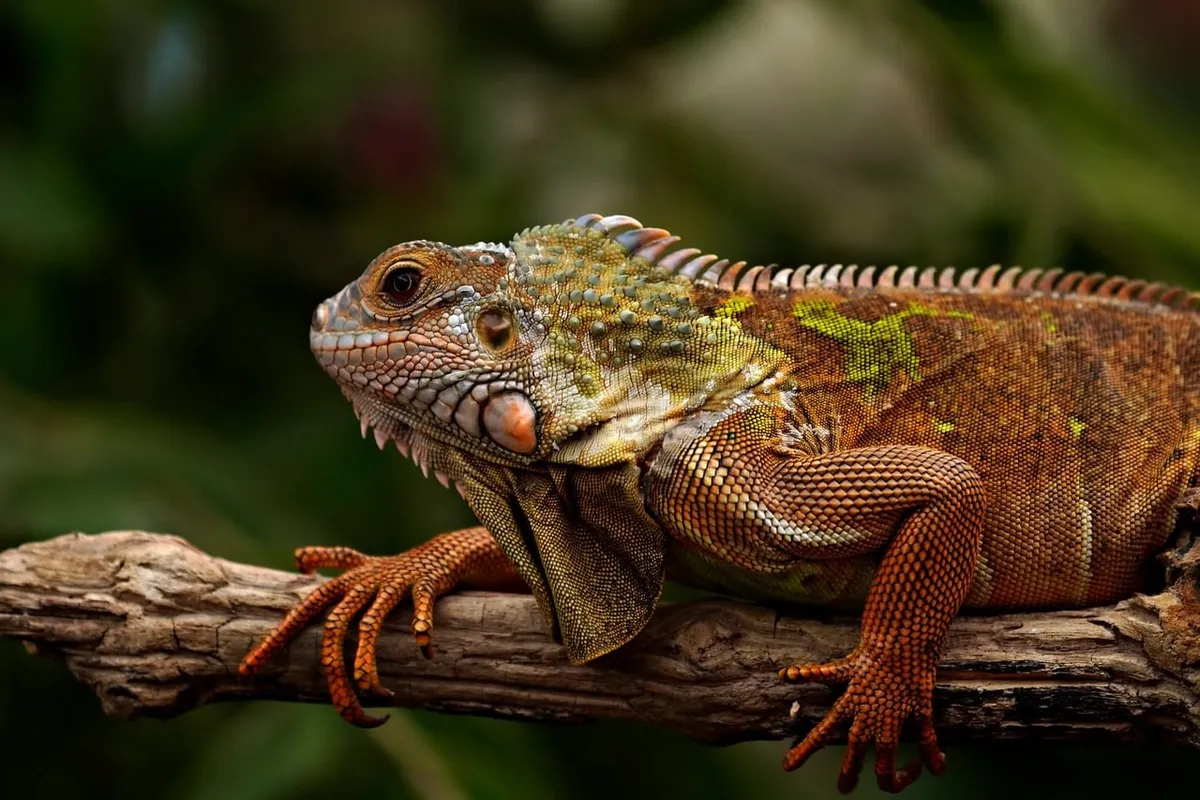
At dusk, a trembling hand slides a hollow log into the corner of the tank to give the reptile a sense of safety.
A hand reaches into a terrarium to place a hollow log, ensuring the opening faces a corner where a lizard might feel most secure. Selecting a proper reptile hideout is the first step in replicating the security found in natural environments.
In the wild, reptiles use crevices and burrows to avoid predators and regulate temperature. Providing a dedicated space allows them to hide their presence, which reduces stress levels significantly.
Without a reliable hiding spot, a reptile may remain in a constant state of alertness, which can negatively impact their appetite and immune health.
Effective reptile habitat selection involves understanding that a hideout serves as a psychological refuge. When an animal can fully retreat from view, it can engage in natural behaviors like sleeping or digesting without fear.
This sense of security is the foundation of successful captive husbandry.
What are the key criteria for choosing reptile shelters?
A keeper examines a small stone cave, checking if the entrance is wide enough for the animal to turn around comfortably. When choosing reptile shelters, size and material are the most critical factors to consider.
The interior space must accommodate the animal's adult size to prevent crowding while remaining small enough to allow the animal to feel "enclosed." If a hideout is too large, the animal may feel exposed and refuse to use it.
Material choice also matters, as some animals prefer the thermal retention of stone, while others prefer the humidity-retaining properties of cork bark or specialized plastic.
An effective reptile hiding spot guide emphasizes that the structure must be sturdy and non-toxic. It should not collapse under the weight of the animal or degrade quickly when exposed to moisture.
Ensuring the material matches the specific humidity needs of the species is a vital part of the process.
How can you implement effective reptile enclosure basics?
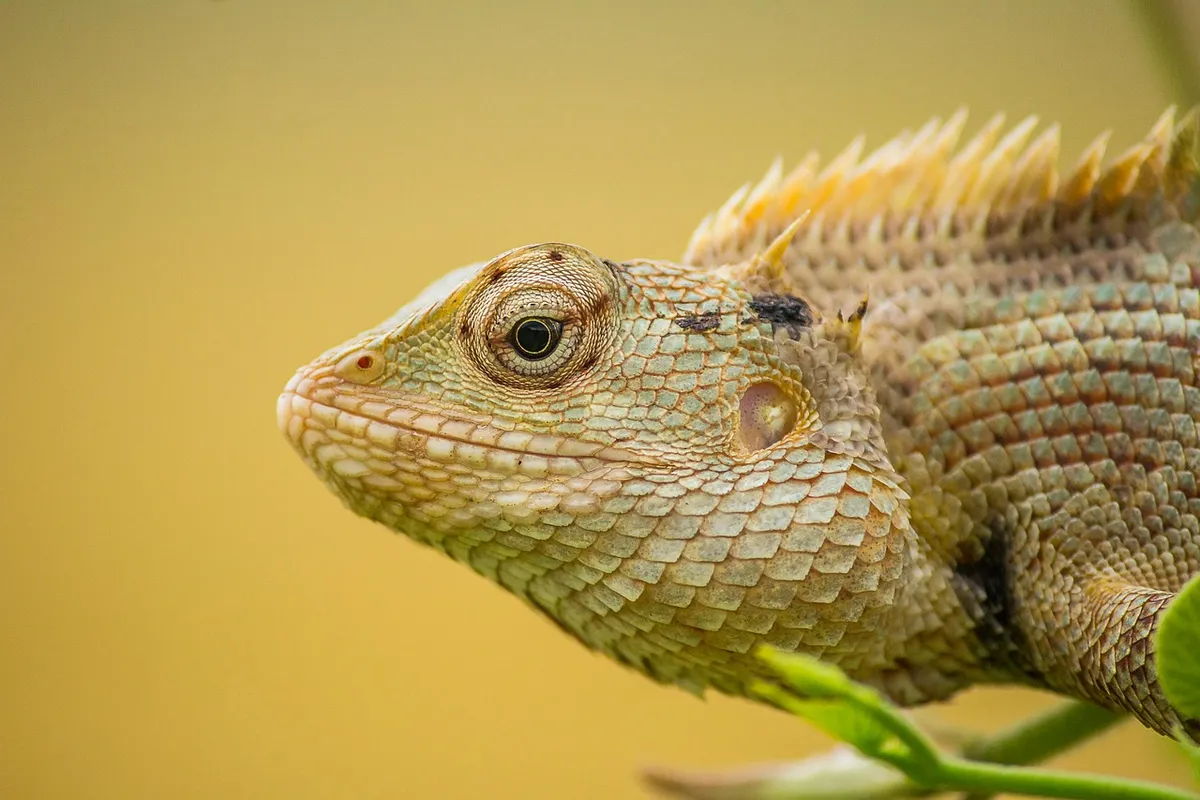
A person carefully places two different hides at opposite ends of a glass tank, creating a clear path for the animal to move between them. Proper setup requires more than just placing a single box in a corner; it requires a strategic layout.
- Provide multiple hiding spots: Place at least one hide in the warm zone and another in the cool zone to allow for thermoregulation. 2. Ensure structural stability: Secure the hideout so it does not slide or tip over when the animal enters or exits. 3. Check for accessibility: Make sure the entrance is easy to find and that there are no sharp edges that could cause injury.
After placing the items, perform a final check by ensuring the hides do not block necessary ventilation or lighting. I remember adjusting a heavy ceramic hide once, only to realize it was obstructing the heat lamp's light, which changed the entire thermal gradient of the tank.
Why does importance of reptile hides vary by species?
A keeper observes a desert-dwelling reptile scurrying into a low-profile rock crevice while a tropical species seeks a more humid, enclosed space. The importance of reptile hides is often tied to the specific ecological niche the animal occupies.
Desert species often require hard, stable structures that mimic rocky crevices to prevent heat loss or provide shade. Conversely, tropical species may need hides that can hold moisture to prevent dehydration.
Understanding these biological needs ensures the selected shelter serves its primary purpose: survival.
The specific needs of an animal can change as they grow, meaning a hide that worked for a juvenile might become too small for an adult. It is essential to re-evaluate the space as the animal matures to prevent physical restriction.
| Feature | Small Juvenile Hide | Adult Species Hide |
|---|---|---|
| Primary Goal | Security and warmth | Space and thermoregulation |
| Size Requirement | Tight enclosure | Room to turn around |
What are the limitations of artificial hides?
A hand touches the rough surface of a synthetic hide, noting how it differs from the natural textures found in a forest. While manufactured products are convenient, they have specific limitations based on their design and materials.

A limitation of many commercial hides is that they may not provide the correct humidity levels required for certain species.
For example, a plastic hide may not hold enough moisture for an amphibian or a highly hygroscopic reptile, leading to potential dehydration if used as the sole humidity source.
- Why is reptile hideout selection vital for survival?
- What are the key criteria for choosing reptile shelters?
- How can you implement effective reptile enclosure basics?
The subject here is reptile hideout selection.
Related
- Small animal clean care guide: Hygiene for small pets
- Hedgehog health guide 30°C why temperature matters
How does the hideout contribute to the animal's well-being?
The presence of a secure space directly impacts the reptile's overall health by allowing predictable physiological processes to occur. When the animal feels safe, it reduces its constant expenditure of energy spent on vigilance.
This reduction in perceived threat allows the animal to allocate resources toward maintenance and recovery.
A predictable environment, facilitated by a proper hideout, supports digestion and immune function. If the animal is perpetually stressed, its body dedicates energy to coping with perceived danger rather than to vital functions like nutrient absorption or pathogen defense.
Therefore, the hideout moves beyond mere shelter to become a critical component of the animal's maintenance protocol.
The ability to retreat into a dark, confined space mimics natural behaviors. This allows the reptile to achieve necessary periods of torpor or deep sleep, activities vital for metabolic recovery that cannot occur when the animal is constantly exposed.
This restoration period is directly dependent on the quality of the chosen secure space.
When should the enclosure arrangement be revisited?
The enclosure arrangement requires periodic review as the animal progresses through its life stages. A hideout that was perfectly sized for a juvenile may become restrictive for a mature individual. Therefore, monitoring the animal's behavior regarding its refuge is necessary.
If the reptile exhibits signs of undue confinement or appears unable to maneuver comfortably within its designated space, the arrangement needs adjustment.
This reassessment ensures the hideout continues to fulfill its function as a psychologically and physically appropriate secure space throughout the animal's life.




Comments 0