Socialization tips: Why exposure is key to a neutral dog
This article is about Socialization. "Training is not about teaching a dog to obey; it is about teaching them how to live in a human world."
Mastering basic obedience is the foundation of a peaceful life with your canine companion. This guide covers the essential steps for successful puppy training, the importance of positive reinforcement, common pitfalls to avoid, and how to integrate socialization into your routine.
* Focus on consistent, positive reinforcement to build trust. * Use specific tools like long lines for leash training. * Understand that socialization is just as critical as command training. * Consult professional associations for long-term behavioral support.
Why does my dog ignore my commands at the park?
A golden retriever pulls toward a passing squirrel, eyes wide and ears perked, completely oblivious to the whistle blowing in the background. The sudden shift from a quiet living room to a bustling public space often causes a complete breakdown in communication.
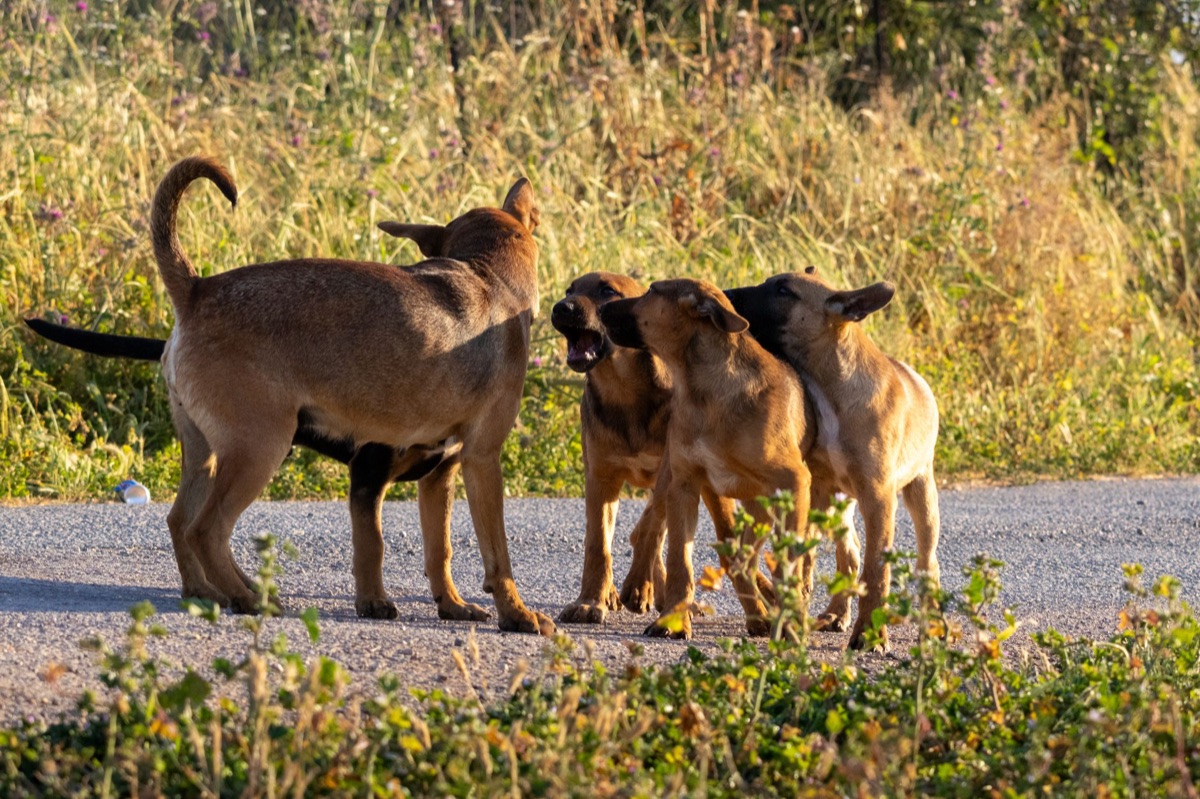
According to the American Animal Hospital Association, understanding how dog training apps can lead to better behavioral and medical outcomes can help address these distractions.
According to the Marion Alachua Dog Training Association, understanding environmental distractions is key to successful training in 2024.
This happens because high-stimulus environments trigger a dog's natural instincts, overriding the training they have practiced in controlled settings.
To fix this, you must bridge the gap between home and the real world through gradual desensitization. Training in a vacuum is easy, but true mastery happens when the dog can focus despite distractions. You should start by practicing commands in low-distraction areas before moving to busy parks.
One effective method involves using a long leash, often referred to as a training lead, to maintain a physical connection while allowing room for movement. These tools are essential for basic command instruction because they provide a safety net during the learning process.
When a dog feels a gentle tension on a long line, it serves as a tactile reminder of your presence.
Digital tools can also play a significant role in modern training. According to, dog training apps can contribute to better behavioral and medical outcomes, suggesting that digital tools can supplement physical training by helping owners track progress and consistency.
Using these apps to log successful repetitions can help you see patterns in your dog's learning.
I remember standing in the middle of a crowded local park, feeling the tug of a frantic puppy on the leash, realizing that my living room drills meant nothing in the face of a flying frisbee.
It was in that moment I realized training isn't just about words; it is about managing environment and attention.
Distractions often override focus when environmental stimuli become too intense.
How do I build a lasting bond through training?
The sun hits the kitchen floor as you hold a small piece of dried liver, waiting for your dog to sit. You realize that the reward is not just the food, but the moment of connection when your dog looks up at you for guidance.

The San Diego Humane Society shares dog training tips for National Train Your Dog Month to help owners strengthen their connections.
The American Animal Hospital Association notes that consistent training can lead to better behavioral outcomes in 2025.
Building a bond requires consistency and a clear understanding of how your dog perceives the world.
Positive reinforcement is the gold standard for modern pet ownership. Instead of punishing mistakes, you should reward the behaviors you want to see repeated. This creates a dog that approaches training with enthusiasm rather than fear.
When a dog associates your voice with positive outcomes, they become more eager to please.
Consistency is the most common stumbling block for new owners. If a dog is allowed on the couch on Tuesday but scolded for it on Wednesday, they become confused and anxious. You must establish clear rules that apply every single time to provide the structure a dog needs to feel secure.
For those struggling with complex behavioral issues, seeking community support is vital. Resources like the Marion Alachua Dog Training Association provide expert guidance and ongoing support to ensure that training remains effective over the long term.
Professional oversight can prevent small habits from turning into permanent problems.
- Identify the specific behavior you want to encourage. 2. Select a high-value reward that motivates your dog. 3. Deliver the reward immediately after the correct action. 4. Repeat the process in different rooms to generalize the behavior.
| Training Method | Primary Goal | Best Use Case |
|---|---|---|
| Positive Reinforcement | Building trust and joy | All ages and breeds |
| Clicker Training | Precise timing of rewards | High-drive or sensitive dogs |
| Luring | Teaching new physical movements | Puppies and novice trainers |
- Establish clear communication through consistent cues.
- Reward desired behaviors immediately to reinforce the connection.
- Practice training in various environments to generalize skills.

Beyond Commands: The Role of Socialization
A toddler runs past a dog on a sidewalk, and the dog lunges toward the child, not out of aggression, but out of sheer, uncontrolled excitement. This sudden movement can be terrifying for both the human and the pet.
As noted by the San Diego Humane Society, socialization remains a vital component of canine development in 2026.
Many owners mistake a well-behaved dog for a well-socialized dog, but they are not the same thing.
Socialization is the process of exposing a dog to various sights, sounds, people, and other animals in a controlled, positive way. While command training teaches specific tasks, socialization teaches a dog how to process the world around them.
A dog that is not properly socialized may become fearful or reactive when faced with something new.
It is important to distinguish between "meeting everyone" and "being socialized." Socialization does not mean your dog must greet every person they pass on the street; in fact, teaching a dog to remain calm and neutral in public is often a better goal.
A neutral dog is one that can observe a stimulus without feeling the need to react to it.
The window for primary socialization is narrow, typically occurring in the first few months of life. However, socialization can and should continue throughout a dog's life.
Introducing new experiences in small, manageable doses prevents the dog from becoming overwhelmed and shuts down the learning process.
There are times when socialization might not be the immediate priority, such as when a dog is recovering from a recent illness or a traumatic event. In these cases, focus on physical recovery and emotional stability before reintroducing high-stimulus environments.
In this sequence, the second step is the most vital.
What are the most common training mistakes?
The dog sits perfectly during a quiet evening, but as soon as a guest enters the front door, the dog jumps up, knocking over a vase. You realize that your training has been inconsistent, failing to account for the presence of strangers.
This lack of preparation leads to frustration for both the owner and the pet.
One of the most frequent mistakes is "over-training" or pushing too hard, too fast. If a dog is constantly being corrected or asked to perform complex tasks without success, they may become "shut down" or lose interest in training altogether.
Training sessions should be short, engaging, and successful.
Another error is failing to generalize training. Owners often think their dog knows "stay" because they can do it in the kitchen. However, if the dog cannot do it in the driveway, they haven't truly learned the concept. You must practice in various environments to ensure the behavior is stable.
Lastly, many owners rely too heavily on verbal commands without using body language. Dogs communicate primarily through movement and posture. If your body language is inconsistent with your words, the dog will follow your movements, not your voice.
I once spent three months trying to teach a dog to heel, only to realize I was never actually moving with them; I was just standing still and barking orders. It took a complete shift in how I moved my own body to finally make the connection.
Inconsistency in applying rules often leads to confusion and regression.
How do I handle leash pulling?
The leash snaps taut, pulling your arm forward as your dog lungs toward the scent of a neighbor's garden. Your shoulder aches, and the walk has turned from a peaceful stroll into a physical struggle. This tension is a common frustration that can ruin the joy of walking together.
Leash pulling is usually a result of the dog's desire to reach a stimulus or simply to move faster than you. To stop the pulling, you must teach the dog that pulling results in the end of the fun.
This is often achieved through "redirection," where you stop moving entirely the moment the leash goes taut.
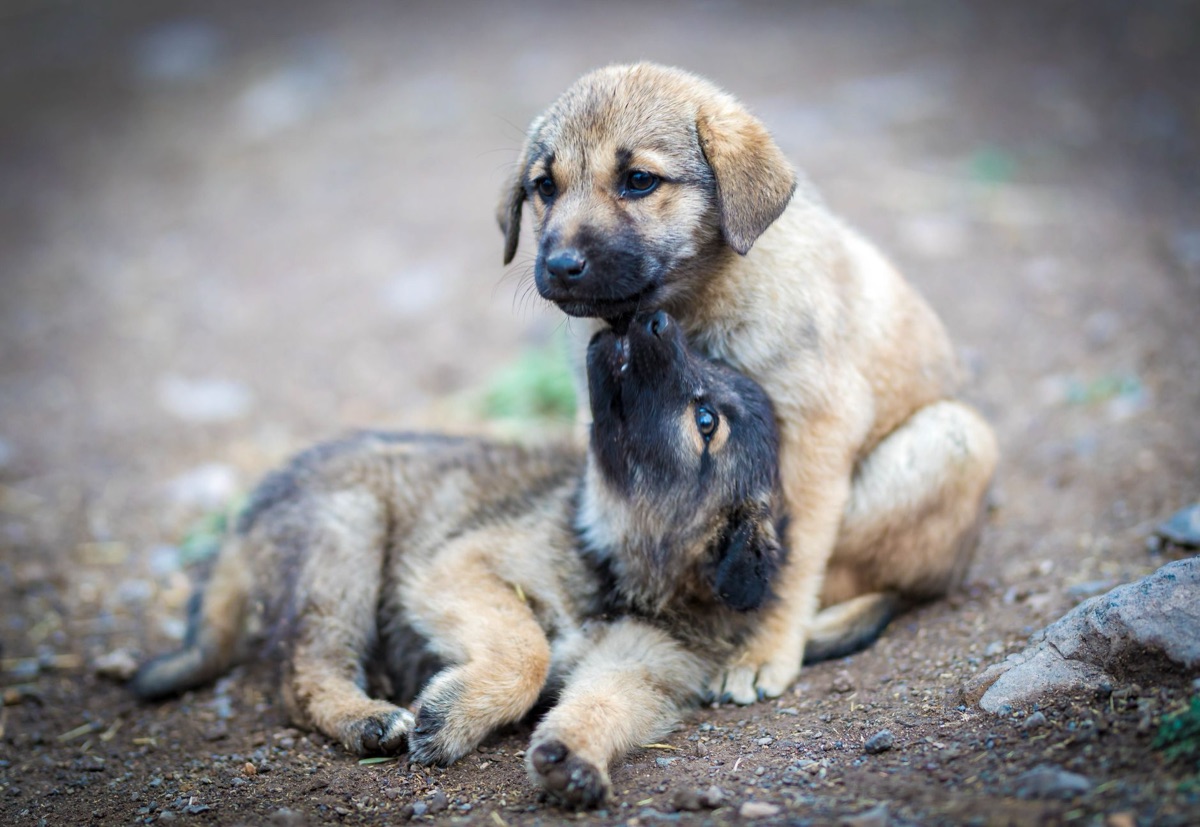
Using a front-clip harness can be a game-changer for dogs that pull heavily. The placement of the clip at the chest makes it much harder for the dog to use their full body weight to pull you forward, as the tension redirects their momentum.
This makes the physical management of the walk much easier while you work on the behavioral aspect.
- Walk in a controlled environment first to establish a baseline. 2. Use high-value treats to reward the dog for walking by your side. 3. Stop moving immediately when the leash becomes tight. 4. Reward the dog with praise or treats when the leash is slack.
Maintain tension without pulling and reward the dog for walking by your side.
When I tried the steps in order, the second one is where I paused longest.
Related




Comments 0