Dog obedience training stages: A guide for success
"A well-trained dog is not just a pet but a reliable companion that understands boundaries and social cues."
Effective dog obedience training stages rely on a structured progression from basic focus to complex environmental management. This guide covers the essential progression of skills needed to establish clear communication between a handler and their canine companion.

Key takeaways include mastering foundational commands, understanding different levels of compliance, and managing environmental distractions.
What are the basic stages of dog training? A trainer stands in a quiet living room, holding a small treat while a young puppy watches their every move with intense focus. Establishing the first connection is the primary goal of all dog obedience training stages.
The process begins with focus and engagement, where the dog learns to look at the handler when called. Once the dog understands that attention equals reinforcement, the trainer introduces basic commands like sit, stay, and come.
These foundational movements build the physical basis for more complex movements later on.
Moving through different dog compliance levels requires transitioning from a controlled indoor environment to a more active space. Handlers must ensure the dog understands the command before adding any external stimuli.
Success in these early stages ensures that the dog remains attentive even when the excitement of the world begins to pull at their attention.
- Socialization and basic engagement.
- Foundation commands and impulse control.
- Advanced reliability in distracting environments.
How do you train dog commands effectively? Dog obedience training stages
At dusk in the backyard, my hand signals a command while the dog feels the cool breeze and shows perfect obedience.
A hand signals a "down" command, and the dog smoothly lowers its body to the rug, ears perked up in anticipation. To train dog commands, one must use consistent verbal cues and hand signals to avoid confusion.
The first step is to capture the desired behavior through positive reinforcement, rewarding the dog immediately when they perform the action. Second, the command should be repeated in various positions to ensure the dog understands the concept rather than just a single physical movement.
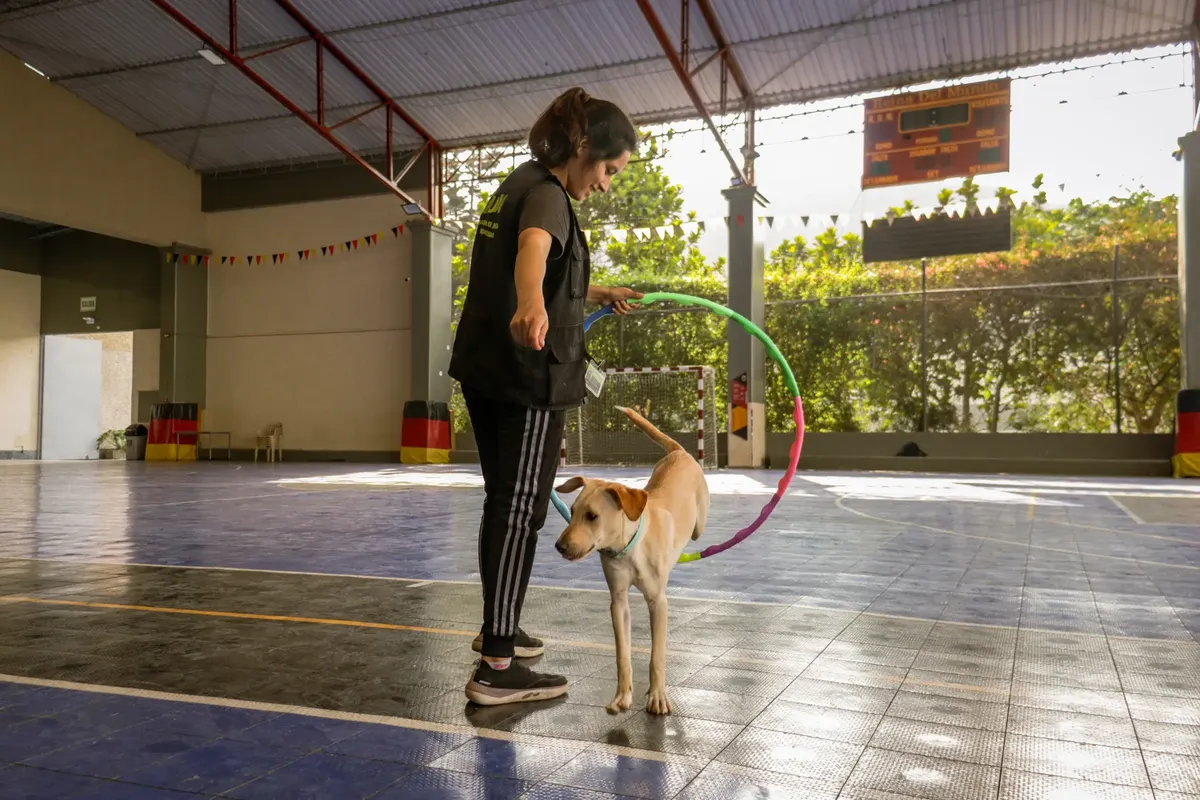
Third, the handler must slowly increase the duration of the command, such as making a "stay" last longer each time.
I remember practicing these repetitions in my own backyard, where the grass felt soft underfoot and the wind occasionally blew through the trees. It was during these sessions that I realized how crucial timing is for a successful response.
In this sequence, the second step is the most critical.
How to manage advanced obedience skill guide requirements?
A trainer walks through a crowded park, where the dog remains perfectly heel-side despite people passing by closely. An obedience skill guide often emphasizes the transition from simple tasks to generalized obedience in public settings.
As the dog masters basic movements, the focus shifts to reliability under distraction. This involves practicing commands in noisy environments or around other animals to ensure the dog can still listen.
This phase tests the strength of the bond and the clarity of the communication established in earlier stages.
| Training Phase | Primary Focus |
|---|---|
| Foundational | Basic commands and focus |
| Intermediate | Distraction management |
When working with a dog, the goal is to ensure they can perform the task regardless of the setting. If the dog is not yet ready for a specific environment, it is best to return to a quieter space to rebuild confidence.
What common problems will I face with training standards? A person sits on a park bench, looking at a leash while a dog sits patiently at their side, ignoring a passing squirrel. Maintaining high dog training standards requires patience and the ability to recognize when a dog is becoming overwhelmed.
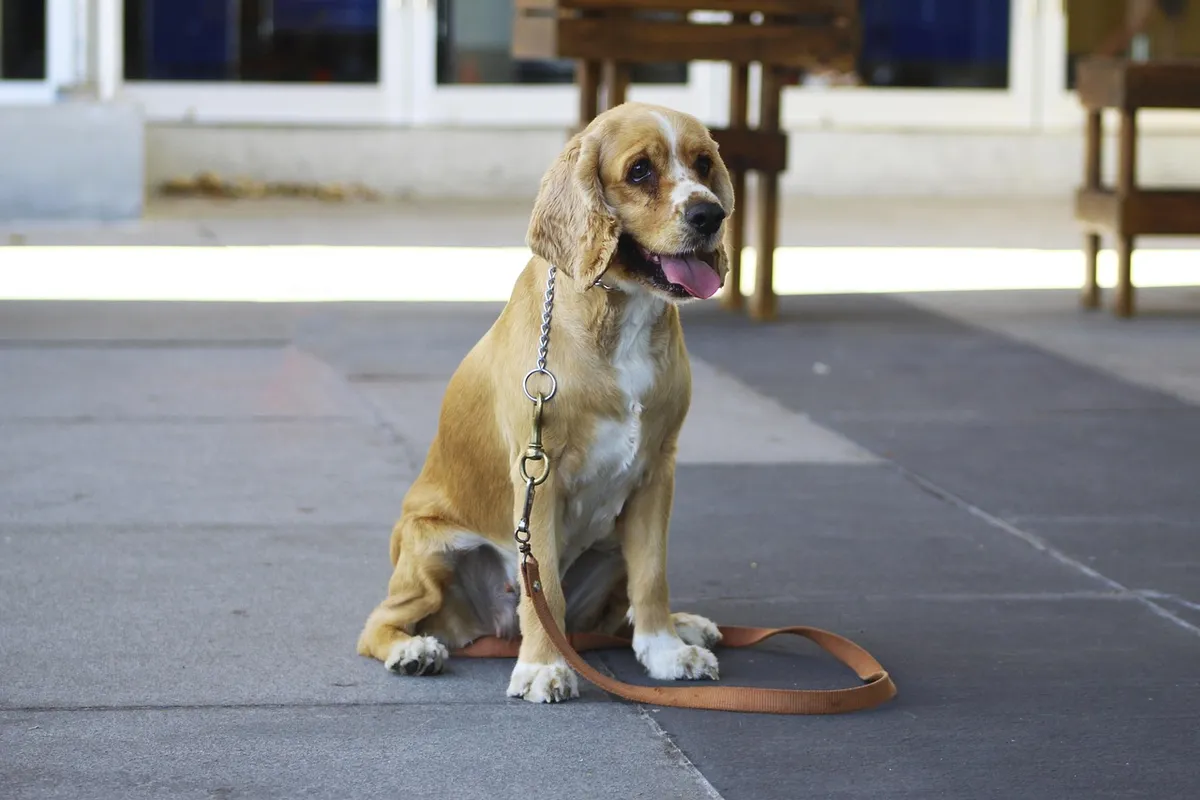
One common challenge is overstimulation, where a dog becomes too excited to follow instructions, necessitating a return to basic drills. Another issue is inconsistency, where changing the wording of a command confuses the animal.
Success depends on the handler's ability to remain calm and consistent across all interactions.
A limitation of these training methods is that they are highly dependent on the individual dog's temperament and existing socialization levels.
The subject here is Dog obedience training stages.
This part also covers Advanced dog obedience.
This part also covers Basic training methods.
This part also covers Advanced compliance drills.
Related
- Socialization tips: Why exposure is key to a neutral dog
- Hamster diet choice guide: Protein 16-24% for health
What is the role of a well trained dog?
A well trained dog serves as much more than just a companion; it is a dependable partner capable of interpreting subtle signals and respecting established limits. This reliability stems from the successful integration of learned behaviors into real-world scenarios.
The dog's ability to follow cues, even amidst environmental noise, demonstrates the depth of the communication achieved between the handler and the canine. This advanced comprehension allows the dog to function as a predictable and valued member of the household unit.
Maintaining this high level of performance requires ongoing reinforcement, proving that the partnership is dynamic and mutually respectful of the established boundaries.
When is the dog most likely to lose focus? When the dog is in a highly stimulating environment, the chance of losing focus increases significantly. This condition requires the handler to maintain extremely high standards of consistency in cues and execution.
- In a crowded park setting, the presence of numerous passing individuals tests the dog's ability to filter irrelevant stimuli. 2. During training exercises involving other animals, the dog must demonstrate that the handler's command overrides environmental triggers.
This loss of focus signals a point where the foundational training needs reinforcement before advancing to the next level of complexity. A well trained dog should resist this environmental pull.
How does consistency affect the partnership? Consistency in the handler's cues is vital because the dog learns through association, not through occasional commands. If the handler varies the command structure, the dog receives mixed signals regarding expected behavior.
- Using the same verbal cue paired with the same hand signal for a specific action reinforces the desired behavior reliably. 2. Varying the timing or location of the command without varying the cue confuses the animal about the required response.
This predictable routine builds the deep trust necessary for the dog to function as a truly well trained companion in unpredictable situations.




Comments 0