Cat body temperature management: Guide to thermal health
"A cat's internal furnace operates at a much higher baseline than our own, making subtle shifts in thermal balance a critical health indicator."
Effective cat body temperature management requires understanding the specific physiological ranges that define health. This guide covers identifying fever or chills, maintaining hydration to support metabolic functions, and recognizing when a pet's temperature deviates from the standard.

Key takeaways include recognizing the febrile threshold of 39.5 °C (103.1 °F), ensuring adequate daily fluid intake to prevent dehydration, and understanding the difference between human and feline thermal baselines.
What is the normal range for cat body temperature management?
A veterinarian places a thermometer against a cat's skin to establish a baseline. While humans maintain an average body temperature of about 37.0 °C (98.6 °F), felines operate on a higher scale.
The normal body temperature of a cat is between 38.3 and 39.0 °C (100.9 and 102.2 °F). Maintaining this narrow window is essential for metabolic stability. If a cat's temperature shifts outside this range, it often indicates an underlying physiological change.
Understanding these specific numbers helps owners distinguish between healthy warmth and potential illness. Keeping a close eye on these fluctuations is a core part of cat body temperature management.
How do you identify febrile or hypothermic states?
During the cold night, she shivers as she touches the cat's feverish body in the dark bedroom.
A caregiver notices a cat lethargically resting in a cool corner or shivering in a warm room. Checking the temperature provides the necessary data to determine if the animal is in distress.
A cat is considered febrile (hyperthermic) if it has a temperature of 39.5 °C (103.1 °F) or greater. Conversely, a cat is considered hypothermic if the temperature is less than 37.5 °C (99.5 °F). These extremes require immediate attention to prevent organ stress.
Monitoring these specific thresholds ensures that owners can react to heat stroke or cold exposure. Identifying these states is vital for effective cat temperature control tips.
Why is hydration important for maintaining cat body heat?
A pet owner pours fresh water into a ceramic bowl, noting how much the cat drinks throughout the day. Proper hydration is a silent partner in thermoregulation and overall health.
Mature adult cats become dehydrated when they don't consume 60ml/kg a day, which could lead to health issues involving the bladder and kidneys. Maintaining fluid levels supports the body's ability to regulate heat through various biological processes.
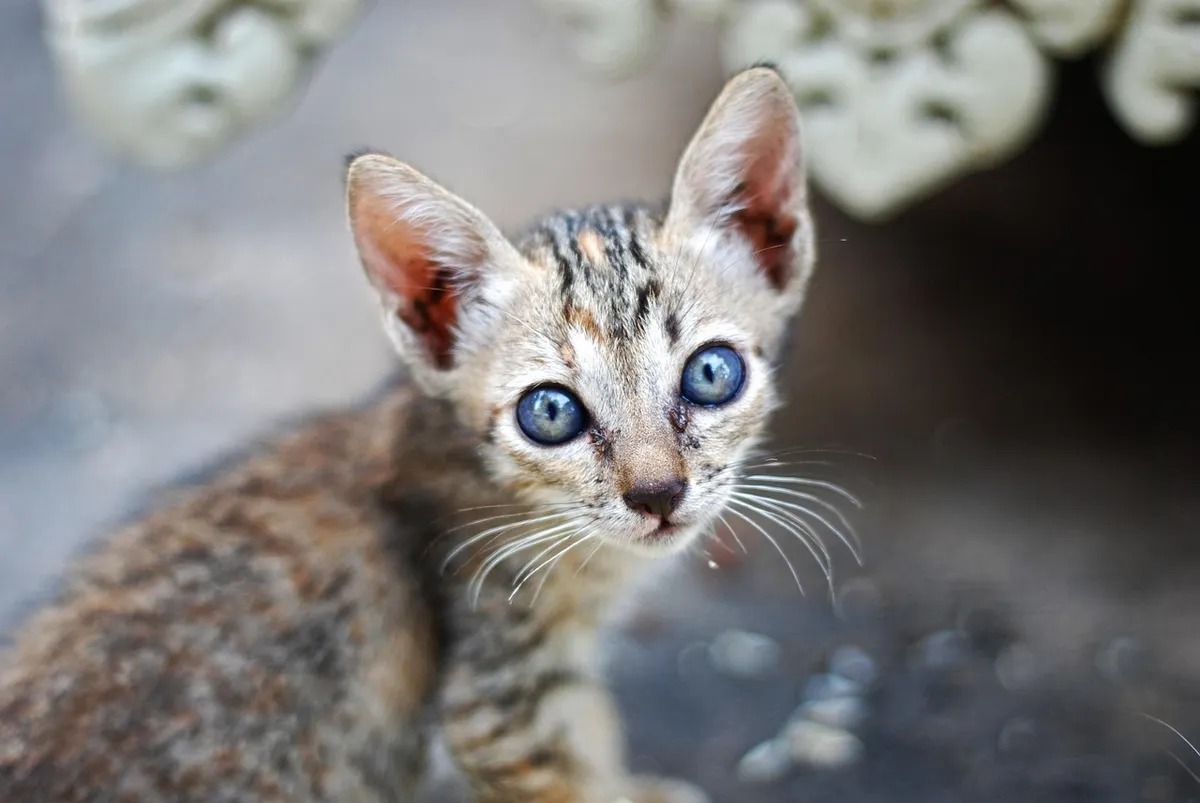
Adequate fluid intake prevents the complications associated with dehydration. This is a fundamental aspect of maintaining cat body heat.
How can you support thermal regulation through diet?
A hand reaches for a bag of kibble to prepare a meal, considering the nutritional balance required for an active pet. While food provides energy, it also plays a role in metabolic heat production.
According to a study published in 2011 on what domestic cats choose to eat, about 52% of their energy comes from protein, 36% from fat, and 12% from carbs. This energy distribution supports the metabolic processes that sustain a healthy internal temperature.
A balanced diet ensures the cat has the caloric fuel necessary to maintain its baseline. This nutritional foundation is part of a comprehensive cat thermal regulation guide.
What are the practical steps for temperature monitoring?
An owner sits quietly with a thermometer and a calm pet, preparing to take an accurate reading. Managing temperature involves consistent observation and specific protocols.
- Establish a baseline by checking the temperature during a period of rest to capture the normal 38.3 to 39.0 °C range. 2. Monitor for signs of fever, such as when the temperature reaches 39.5 °C (103.1 °F) or higher. 3. Watch for signs of hypothermia, specifically if the temperature drops below 37.5 °C (99.5 °F). 4. Verify hydration levels regularly to ensure the pet meets the 60ml/kg daily requirement.
I once observed how a slight rise in temperature changed a cat's entire demeanor during a routine check. Following these steps helps ensure the pet remains within a safe physiological window.
Are there specific conditions where temperature management changes?
A researcher examines the unique pigment of a Siamese cat under a bright laboratory light. Certain genetic traits can influence how temperature affects physical appearance.
The mutated tyrosinase enzyme is heat-sensitive; it fails to work at normal body temperatures but becomes active in cooler (< 33 °C) areas of the skin. This means that certain color patterns are directly tied to localized temperature variations.
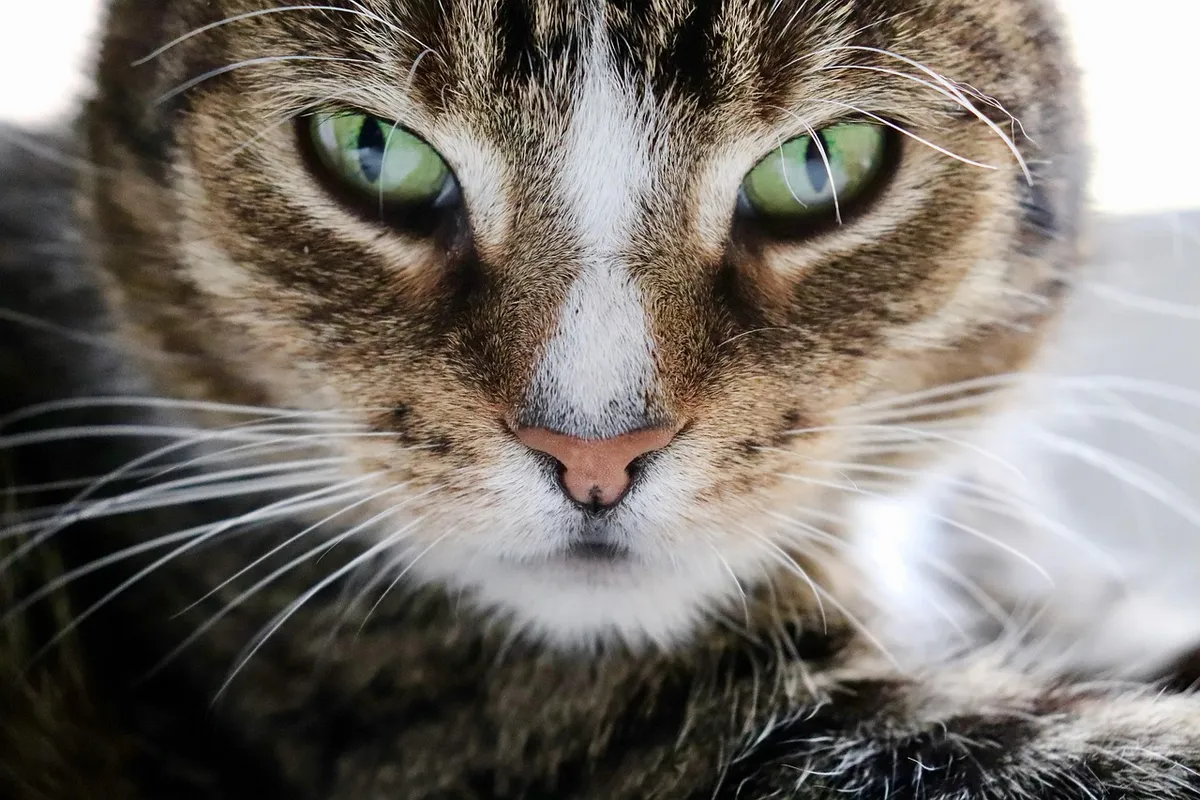
This biological quirk shows how temperature affects more than just internal health. It can influence the visible characteristics of certain breeds.
- What is the normal range for cat body temperature management?
- How do you identify febrile or hypothermic states?
- Why is hydration important for maintaining cat body heat?
The same subject is also called How to keep cats warm.
This part also covers Expert advice on cat warmth.
This part also covers Practical cat heat management.
This part also covers Ways to stabilize cat temp.
Related
How do these thermal shifts affect the internal furnace?
An owner monitors the cat's behavior to see if the internal furnace is operating within the healthy 38.3 to 39.0 °C range. If the temperature reaches the febrile threshold of 39.5 °C (103.1 °F) or drops below 37.5 °C (99.5 °F), the cat is in a state of distress.
Comparing the feline baseline to the human average of 37.0 °C (98.6 °F) helps clarify these shifts. While the internal furnace maintains a higher baseline, staying within the narrow 38.3 to 39.0 °C window is necessary for metabolic stability.
Caregivers must watch for dehydration if the cat does not meet the 60ml/kg daily requirement. Ensuring adequate fluid intake supports the body's ability to regulate heat and prevents bladder or kidney issues.
- Check the temperature to establish a baseline between 38.3 and 39.0 °C. 2. Monitor for fever if the temperature hits 39.5 °C (103.1 °F) or higher. 3. Watch for hypothermia if the temperature falls below 37.5 °C (99.5 °F). 4. Verify the pet consumes 60ml/kg of fluid daily to prevent dehydration.






Comments 0