Cat weight guide: 10 treats for best health
"Maintaining a healthy weight is one of the most impactful ways to ensure a long, active life for your feline companion."
Effective cat weight management involves balancing caloric intake with physical activity to prevent obesity-related health issues. This guide covers understanding caloric needs, managing treats, and monitoring physical changes to keep your pet at a healthy weight.
Key takeaways include managing daily energy requirements, limiting treats to 10% of total calories, and recognizing how body weight affects internal health.
How much energy does an average cat need?
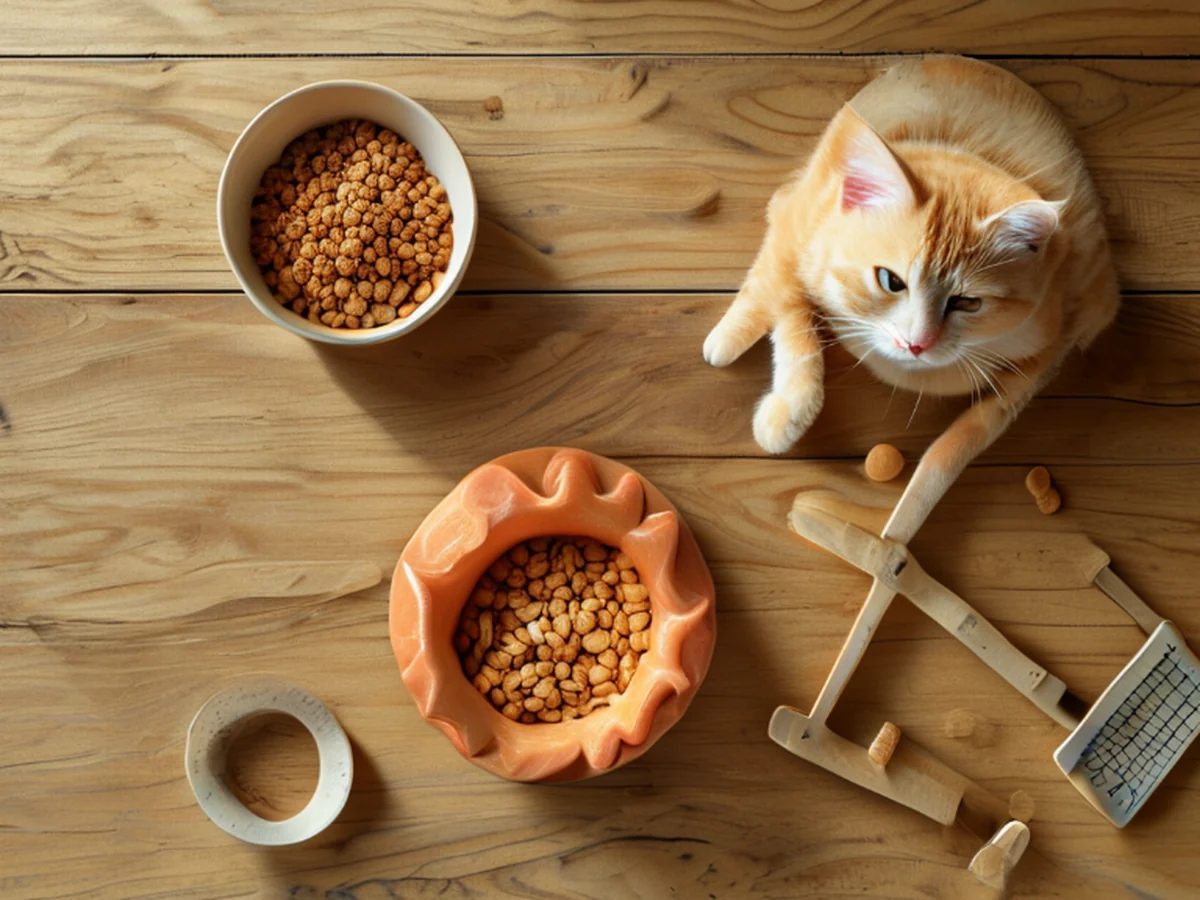
At dawn in the dim kitchen, I carefully scoop kibble into a bowl to ensure the meal meets the exact weight required.
For an average cat, the resting energy requirement is 180–200 kcal/day.
A person stands in a quiet kitchen, carefully weighing out kibble into a ceramic bowl to ensure the portion is exact. For an average cat weighing 10–11 pounds (about 5 kg), it would have a resting energy requirement of 180–200 kcal/day.
Understanding these baseline numbers is the first step in effective cat weight management. If a cat's intake exceeds this resting requirement without sufficient activity, weight gain occurs.
Maintaining the right balance is essential for feline health. Proper portion control prevents the gradual accumulation of excess fat.
Energy requirements vary based on age, breed, and activity level, but most adult cats require a specific caloric range to maintain a healthy weight.
How can I manage treats without causing weight gain?
In the quiet kitchen at midnight, I pick up a single cracker and feel its light weight while contemplating tomorrow's meal.
A hand reaches into a plastic bag to pull out a small, crunchy biscuit, pausing to consider the daily total. A 2004 survey in the US and Australia found 26% of cats received treats on a daily basis.
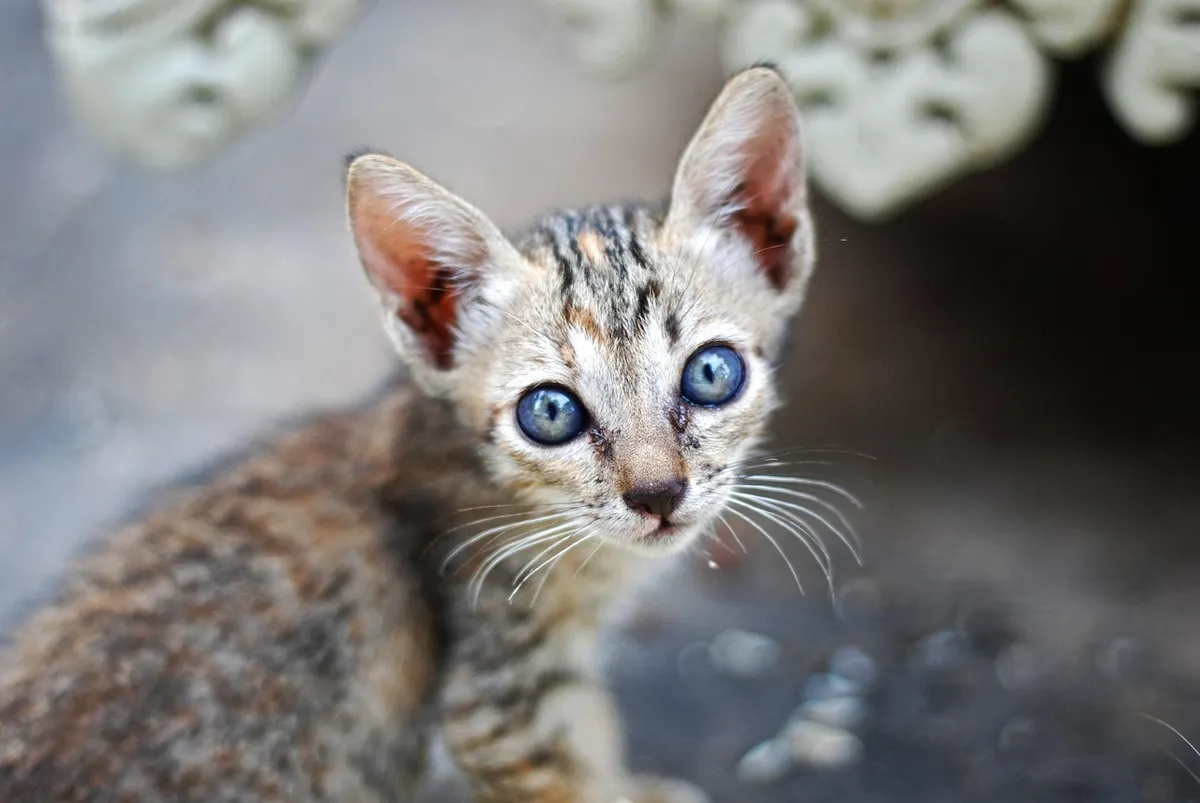
While treats are often used for bonding, they contribute significantly to caloric surplus. To prevent unwanted weight gain, not more than 10% of a cat's calorie intake should come from treats.
This limitation ensures the main meals provide necessary nutrition while treats remain a controlled supplement. Keeping treats within this specific percentage helps maintain a stable weight.
- Calculate the total daily caloric intake for your cat.
- Subtract the calories provided by treats from the total daily allowance.
- Use small, low-calorie treats to reward behavior without overfeeding.
According to Nature Medicine, the 2009 record includes 10%.
What are the physical signs of weight changes?
A pet owner gently runs their hands along a cat's ribs, feeling for the presence or absence of bone structure. Allometric scaling describes how associations between body weight and echocardiographic dimensions work, with all dimensions increasing as body weight increases.
Much controversy erupted over the breed when it was recognized by The International Cat Association (TICA) in 1997 with critics voicing concerns over health and mobility issues, according to The International Cat Association.

According to the Journal of veterinary internal medicine, all echocardiographic dimensions increased with increasing BW, with associations being best described by allometric scaling.
As a cat grows larger, internal structures like heart dimensions change in relation to that mass. This means weight management is not just about external appearance but also about internal organ health.
Monitoring these physical changes helps in early intervention. Keeping a cat at the right weight prevents these proportional changes from becoming health risks.
In this sequence, the second sign is the most noticeable.
How do I implement a weight control routine?
A person sets a timer on a phone and prepares to engage in a play session with a feathered wand toy. Following a structured plan is the most reliable way to prevent obesity.
- Calculate the daily caloric needs based on the specific weight of your cat. 2. Distribute the total daily calories across multiple small meals to prevent hunger spikes. 3. Incorporate daily interactive play to meet energy expenditure needs.
After setting these steps, perform a weekly weight check using a digital scale. This routine ensures that any deviation from the target weight is caught immediately.
Establishing a routine involves consistent feeding times and regular monitoring of body condition.
What are the limitations of weight management?
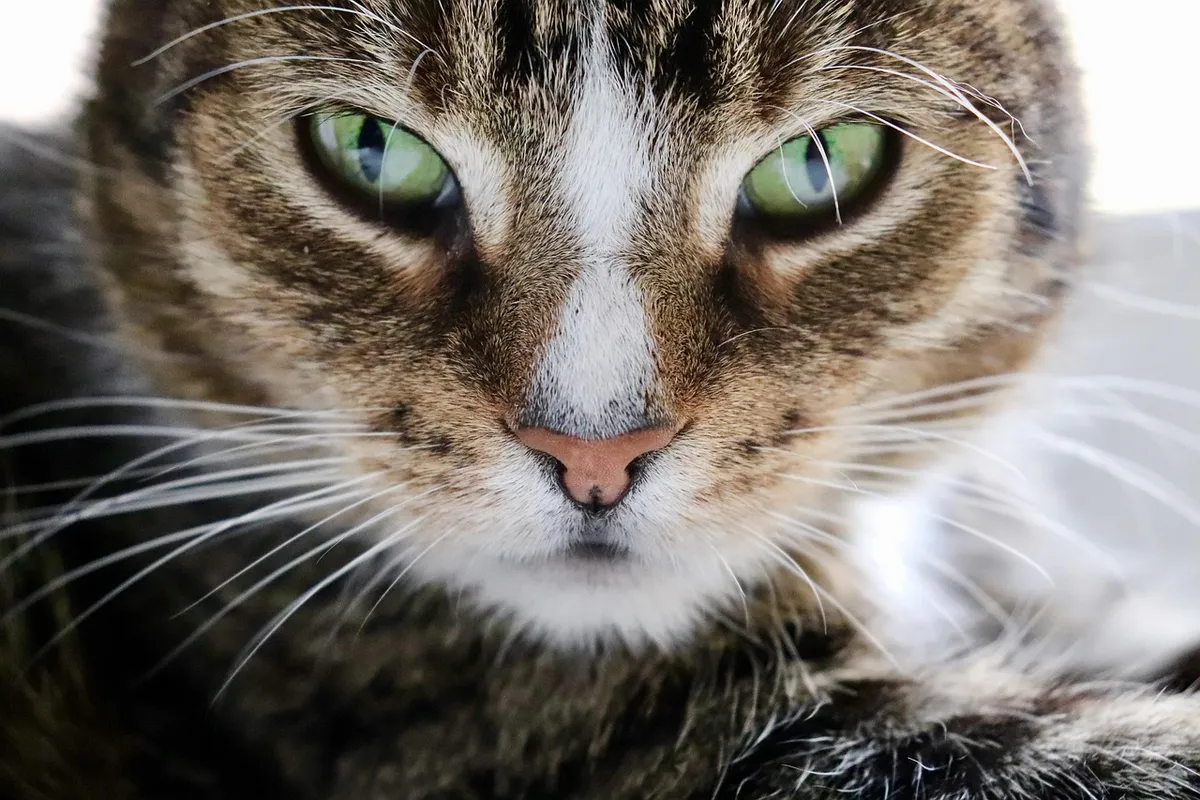
An owner looks at a cat that struggles to jump onto a high sofa due to limited mobility. Weight management success is often limited by a cat's specific breed characteristics or existing mobility issues.
For example, certain breeds may face unique health and mobility challenges that complicate physical activity. In these cases, weight control must be managed through diet alone if exercise is restricted.
Weight management is not a one-size-fits-all solution and may be limited by a cat's underlying health conditions or metabolic rate.
Related
- Persian cat lifespan care: Breed standards affect health
- Cat blue tumor diagnosis: Imaging and clinical observation
Should I adjust portions if my cat is active?
Adjusting portions depends on the comparison between caloric intake and physical activity levels. If a cat's activity increases, the energy expenditure changes, requiring a balance to prevent weight gain or maintain a healthy weight.
If the cat remains sedentary, the resting energy requirement of 180–200 kcal/day for a 10–11 pound cat must be strictly followed. However, if the cat is more active, the caloric needs might shift. Maintaining the correct balance prevents the accumulation of excess fat when activity levels fluctuate.
Yes, more active cats typically require higher caloric intake to support their energy expenditure.
What happens if weight gain affects internal health?
Internal health is affected because allometric scaling shows that as body weight increases, echocardiographic dimensions also increase. This means the heart and other internal structures change in relation to the cat's mass.
Monitoring these changes is a caution for owners to prevent health risks. If weight gain occurs because intake exceeds the resting requirement, the proportional changes in internal organs must be managed. Keeping the cat at the right weight helps mitigate these physiological shifts.
How does caloric balance affect long-term health?
Maintaining a healthy weight requires balancing caloric intake with physical activity to prevent obesity-related health issues. If a cat's intake exceeds the resting energy requirement of 180–200 kcal/day without sufficient activity, weight gain occurs.
This accumulation of excess fat can lead to changes in internal organ health.
Proper portion control is a necessary procedure to prevent gradual weight gain. By limiting treats to 10% of total calories, owners ensure that the main meals provide necessary nutrition.
This comparison between caloric intake and energy expenditure is vital for preventing health risks related to allometric scaling.
What precautions should owners take during weight changes?
Owners must monitor physical changes to recognize how body weight affects internal health. Because allometric scaling shows that internal dimensions increase as body weight increases, weight management is about more than just external appearance.
If a cat's mobility is limited, weight control might need to be managed through diet alone. This condition requires strict adherence to caloric limits to prevent further weight gain. Regular monitoring of these physical changes allows for early intervention to mitigate health risks.







Comments 0