Pet keeping owner psyche change: Understanding owner choices
"The bond between humans and animals is often viewed through the lens of companionship, yet the psychological and physical implications of pet ownership extend far beyond simple friendship."
Pet keeping owner psyche change involves complex shifts in lifestyle, responsibility, and health outcomes. This article examines how owning animals influences human life through data on mortality, household demographics, and lifestyle constraints.
Key takeaways include a notable correlation between dog ownership and heart health, as well as the practical challenges that dictate pet-related decision-making.
How does pet ownership influence health?
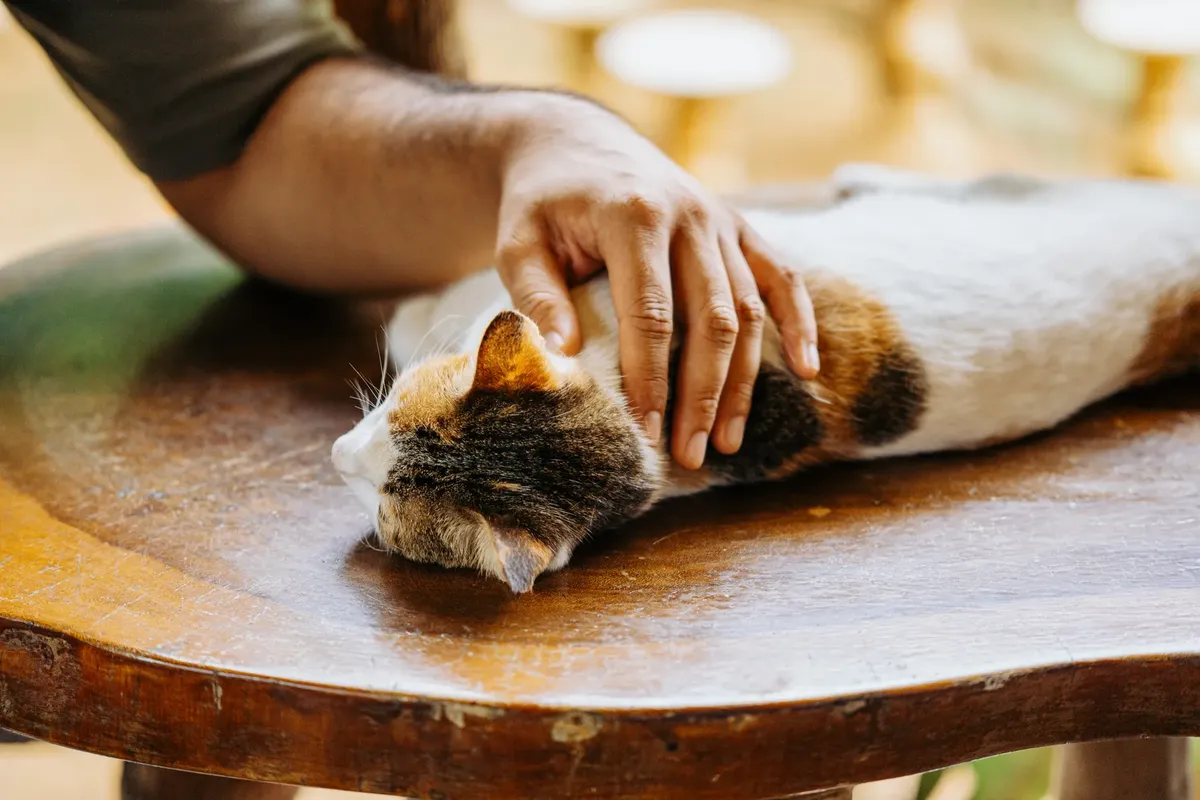
As the morning sun warms my skin, I walk through the park while keeping a steady pace with my dog.
A person walks through a quiet park, watching a dog owner maintain a steady pace. A National Institute of Health study found that dog owners are less likely to die from a heart attack than non-owners.
According to a National Institute of Health study, dog owners are less likely to die from a heart attack than non-owners.
This suggests that the active lifestyle often required for pet care may contribute to cardiovascular resilience.
Pet companionship mental boost can be linked to these physical activity levels. The regular routine of walking or playing helps maintain a structured lifestyle.
While the data shows a specific survival advantage, the underlying mechanism of improved heart health remains a primary focus for researchers.
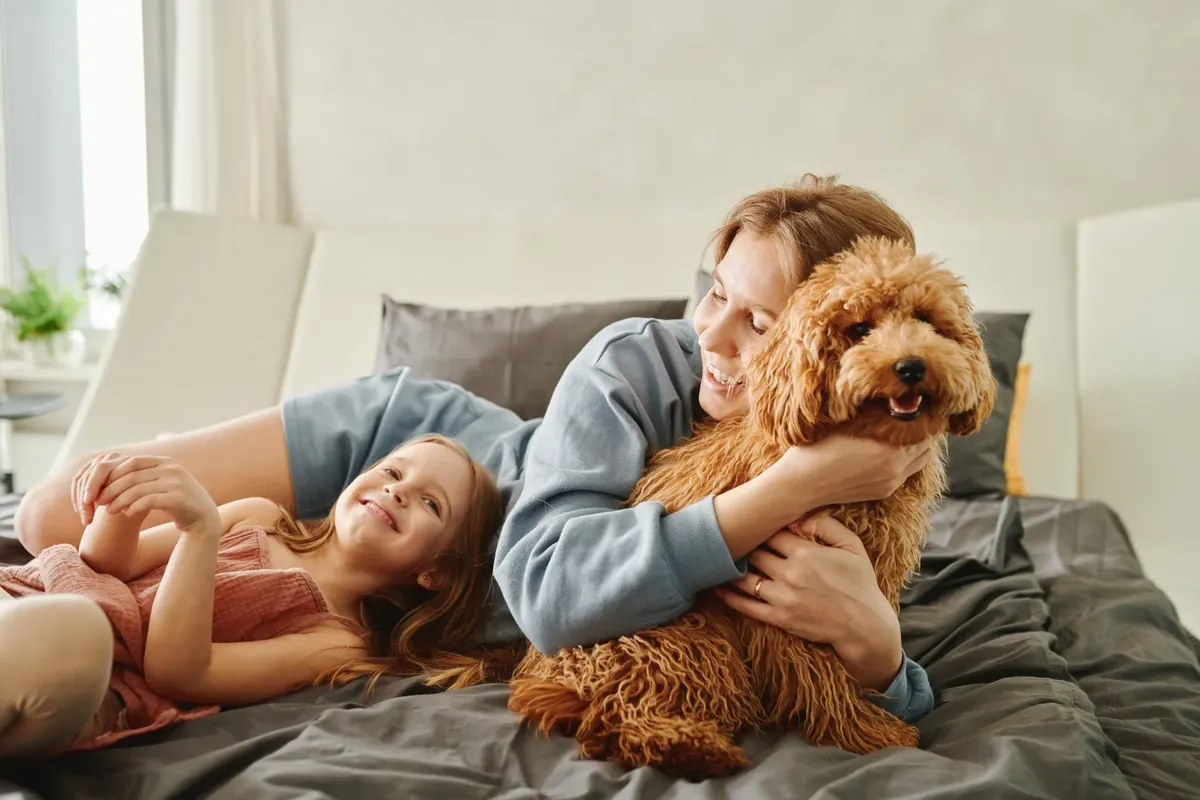
The animal bond emotional support often manifests in daily routines that combat isolation. Engaging with a living being provides a sense of purpose and consistent social presence. These regular interactions can serve as a buffer against various stressors in a person's life.
- Engage in regular physical activity through daily walks.
- Maintain a consistent feeding and grooming schedule.
- Monitor the animal's health to prevent illness.
- In this sequence, the second step is the most time-consuming.
What do household demographics reveal about pet owners? Pet keeping owner psyche change
Sitting at my desk at dusk, I stare at the data while keeping my eyes fixed on the shifting trends.
A researcher sits at a desk, reviewing demographic data from various regions. A 2007 survey by the University of Bristol found that 26% of UK households owned cats and 31% owned dogs, estimating total domestic populations of approximately 10.3 million cats and 10.5 million dogs in 2006.
These figures highlight the widespread integration of animals into domestic life.
Pet ownership psychological shift can be seen in the educational profiles of different households. The survey also found that 47.2% of households with a cat had at least one person educated to degree level, compared with 38.4% of homes with dogs.
This indicates that pet ownership is distributed across various educational backgrounds.
The pet role in mental health is often tied to the specific type of animal kept. Different species may attract different household structures or lifestyle choices. Observing these trends helps clarify how pet-related decisions intersect with human social standing and living arrangements.
Why do some people choose not to own pets?
A traveler looks at a flight itinerary, wondering about the logistics of a pet-friendly hotel.
A 1994 Canadian study found that the most common reasons for not owning a pet were lack of ability to care for the pet when traveling (34.6%), lack of time (28.6%), and lack of suitable housing (28.3%), with dislike of pets being less common (19.6%).
Bonding benefits for owners are often weighed against these significant practical hurdles. Many individuals recognize the value of companionship but find the logistical requirements impossible to meet. The decision to remain pet-free is often rooted in responsibility rather than a lack of affection.
The constraints of modern life play a decisive role in pet-related decisions. Travel requirements and housing limitations frequently act as the primary barriers to entry.
Understanding these limitations is essential for grasping why certain populations remain pet-free despite the potential for companionship.
What is the environmental and resource impact?
A scientist examines a chart showing resource consumption and ecological footprints. For instance, the 163 million dogs and cats kept in the United States consume about 20% of the amount of dietary energy that humans do and an estimated 33% of the animal-derived energy.
This represents a significant portion of the total energy used in animal-based diets.
The pet ownership psychological shift also involves managing the environmental footprint of a pet.
These animals produce about 30% ± 13%, by mass, as much feces as Americans, and through their diet, constitute about 25–30% of the environmental impacts from animal production in terms of the use of land, water, fossil fuel, phosphate, and biocides.
Managing these impacts requires an awareness of the resource-intensive nature of pet care. The dietary needs of large pet populations contribute to global resource use. Owners must balance the joy of companionship with the reality of these ecological footprints.
How do we manage the responsibilities of pet ownership?
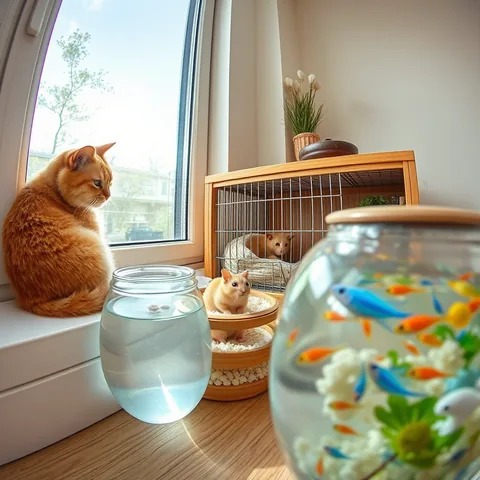
A homeowner walks through a small apartment, checking for the safety of a pet enclosure. Owning a pet requires a structured approach to ensure both the animal's well-being and the owner's lifestyle stability.

- Assess travel capabilities to ensure the pet can be cared for during absences. 2. Evaluate housing suitability to meet the specific needs of the species. 3. Schedule time for regular care and physical activity to maintain health.
A final check involves confirming that current living conditions can support the long-term needs of the animal. If these requirements cannot be met, the decision to avoid ownership is a responsible choice.
| Category | Statistic / Detail |
|---|---|
| UK Cat Ownership (2006) | 10.3 million estimated population |
| UK Dog Ownership (2006) | 10.5 million estimated population |
The subject here is Pet keeping owner psyche change.
The same subject is also called Companion animal mental well-being.
This part also covers Emotional regulation through pets.
Pet role in mental health
Related
- Pet's good effect on daily life: Guide to ownership
- Hamster diet choice guide: Protein 16-24% for health
How does the bond between humans and animals affect mental well-being?
The emotional support derived from the animal bond often manifests in daily rituals that counteract feelings of isolation. Interacting with a creature provides a consistent presence and a renewed sense of purpose in the owner's life.
These sustained engagements can act as a buffer against various sources of stress experienced by the individual.
The lifestyle constraints imposed by pet care intersect with the mental benefits derived from the bond. Maintaining the routine necessary for the animal's health contributes to the owner's structured existence.
This combination of responsibility and companionship supports the mental uplift discussed previously.
The psychological shift experienced by the owner is multifaceted, involving both the physical activity and the emotional reliance on the animal. The bond transcends mere friendship, becoming integrated into the owner's daily reality and health maintenance.






Comments 0