Puppy first care setup: How to guide best living space
"The environment determines the majority of a dog's personality traits, far outweighing the influence of breed alone."
Creating a puppy first care setup requires prioritizing sensory comfort, temperature regulation, and safety. This guide is for new owners who need to balance genetic predispositions with a controlled living space.
To succeed, you must focus on olfactory needs, manage heat exposure, and recognize that breed only accounts for about 9% of individual personality differences.
* Prioritize scent-based comfort for sensory development. * Ensure ventilation when temperatures rise above 22°C. * Prepare for rapid physical and behavioral maturation.
How to create the best puppy environment?
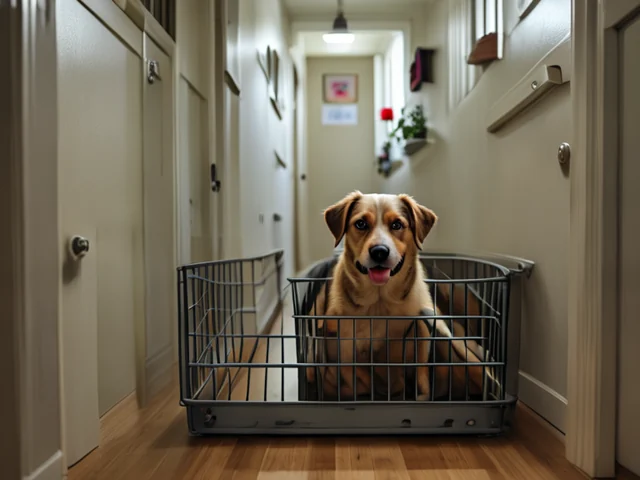
You kneel on the hardwood floor, placing a soft, familiar-smelling blanket into a small pen. The air in the living room feels still as you arrange the corners of the new dog living space to minimize sudden drafts.
You realize that because dogs have an olfactory sense 40 times more sensitive than a human's, the scents in this area will define their initial world.
Since puppies operate almost exclusively on smell and touch during their early lives, the textures of their bedding and the scents of their surroundings are vital. While physical traits are heavily influenced by DNA, the environment plays a massive role in shaping who they become.
According to Wikipedia: Dog behavior, breed alone is only responsible for about 9% of individual personality differences.
The remaining portion of personality is shaped by the surroundings you build. Total personality traits are determined by about 25% genetics, meaning the rest is determined by the environment.
Creating a safe dog zone involves selecting materials that are easy to clean but soft enough for a creature that relies so heavily on tactile input.
- Select a quiet, low-traffic area of your home.
- Install puppy-proof fencing or gates to define the space.
- Place a comfortable bed and water bowl within reach.
What do I need to prepare for my new puppy? Puppy first care setup
During the warm afternoon, you reach for a heavy crate cover in the sunlit corner where the puppy will sleep. You reach for a heavy crate cover, feeling the fabric between your fingers, but then hesitate as you look at the thermometer on the wall. The sun streams through the window, warming the corner where the puppy will sleep.
You decide to adjust the setup to ensure the air circulates freely during the heat of the afternoon.
When managing an ideal puppy housing guide, temperature control is a non-negotiable safety step. For example, in summer temperatures above 22°C, you should leave at least two full sides fully open regardless of the cover type used. This prevents overheating in a confined area.
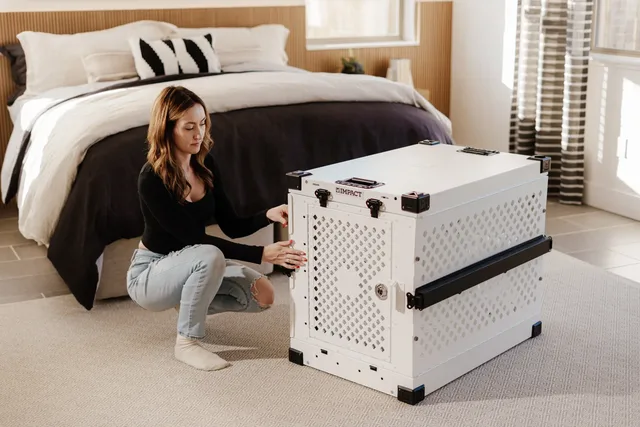
Proper ventilation ensures that the puppy does not become lethargic or distressed due to stagnant air. By keeping sides open, you allow for the natural airflow necessary for a small animal's comfort. This step is critical for maintaining a stable microclimate within their primary resting spot.
In this sequence, the second step is the longest.
How to set up puppy area for sensory needs?
You sit quietly on the rug, watching the puppy explore the perimeter of the pen with its nose twitching. The small creature nudges a rubber toy, testing the texture against its gums. You realize that every object in this room serves as a sensory milestone for a developing animal.
To effectively manage the puppy first care setup, follow these steps:
- Introduce various safe textures, such as fleece or cotton, to satisfy their tactile exploration. 2. Use familiar scents, such as a blanket from the breeder or mother, to provide olfactory security. 3. Place water and food bowls in easily accessible spots that do not obstruct movement.
After completing these steps, perform a final check by observing how the puppy interacts with the space. I noticed that the puppy immediately sought out the corner with the most interesting scent, confirming the importance of olfactory input.
When will my puppy's behavior start to change?
You watch the puppy tumble over its own paws, noting how quickly it transitions from sleeping to active play. The clock on the mantle ticks as you realize how fast these early weeks pass. You prepare yourself for the rapid shifts in development that occur almost as soon as they arrive.
Developmental milestones can happen much sooner than many owners expect. In some puppies, certain developmental behaviors occur as early as 3 or 4 weeks of age. Understanding this timeline helps you prepare for the sudden shifts in their needs and energy levels.
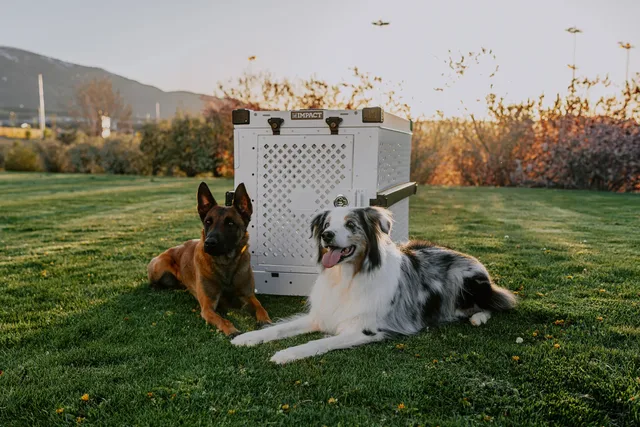
As they grow, their physical maturity also follows a specific trajectory. For instance, female dogs reach their first estrus at 6 to 12 months of age. Smaller dogs tend to come into heat earlier, while larger dogs take longer to mature.
Comparing genetic and environmental influences
You sit at your desk, looking at a chart of breed characteristics versus behavioral observations. You compare the expected traits of a purebred dog with the actual temperament you see in your own pet. This comparison highlights the complexity of canine development.
Breed only accounts for about 9% of individual personality differences.
| Factor | Percentage of Influence |
|---|---|
| Breed alone (Personality) | 9% |
| Total Genetics (Personality) | 25% |
The table shows that while genetics provide a foundation, the environment is the dominant force in shaping an individual's character. This distinction is vital for any owner attempting to predict or cultivate specific behaviors through their living setup.
What are the limits of environment control?
You look around the room, realizing that despite your careful planning, some things remain outside your direct influence. You have optimized the scent, the temperature, and the texture, but the biological blueprint is already set. You accept that your role is to manage the variables you can reach.
A limitation of environmental management is that it cannot override core genetic predispositions. While you can mitigate many issues, physical traits can be attributed to 80% on DNA.
This means that while you shape the personality, the physical structure and certain innate behaviors, like friendliness or retrieving, are predominantly genetic.
Is temperature important for the puppy?
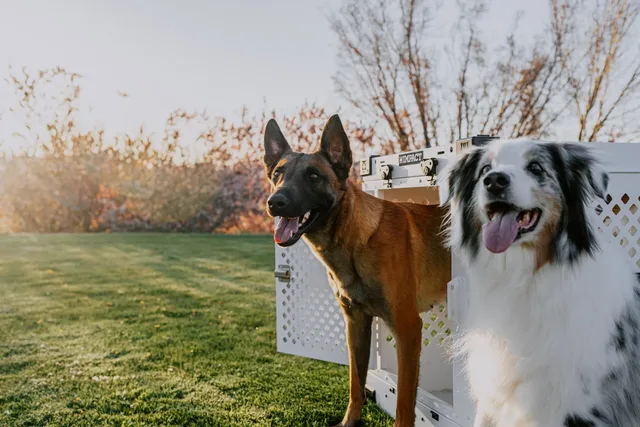
Yes, temperature management is crucial for safety. In summer temperatures above 22°C, you should leave at least two full sides of a crate or enclosure fully open regardless of the cover type to ensure proper ventilation.
How much does breed affect personality?
Breed is not the primary driver of individual character. Breed alone is responsible for about 9% of individual personality differences, while the environment and other genetic factors determine the rest.
Setting up a home for a new dog involves balancing the biological reality of their DNA with the sensory needs of their environment. By focusing on ventilation, scent, and tactile comfort, you provide the foundation for a stable life.
However, it is important to remember that the environment's influence is limited by the 80% of physical traits attributed to DNA.
The same subject is also called Making puppy home.
The same subject is also called First day dog setup.
Related
FAQ
Is temperature important for the puppy?
Does breed determine a dog's personality?
Popular posts
A checklist for potential pet owners: from cats to small
Beginner hedgehog care guide: Best hedgehog cage setup tips

Beyond the "angel dog" reputation lies a reality of high ene

Comments 0