Cat temperature range guide: Normal 38.3 to 39.0 °C
"The normal body temperature of a cat is between 38.3 and 39.0 °C (100.9 and 102.2 °F)."
To keep your cat warm and safe, you must monitor for fever or chills, ensure adequate hydration, and provide a stable environment.
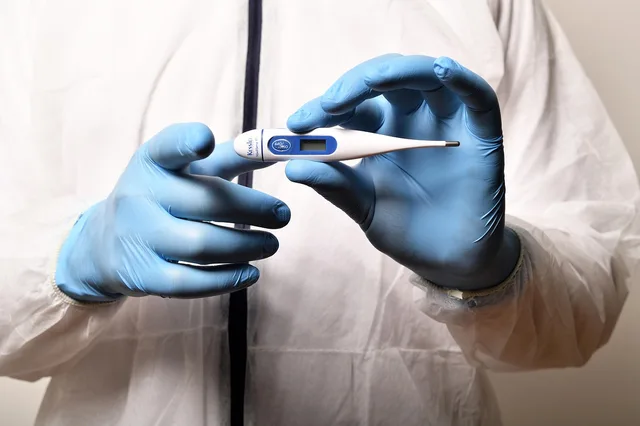
* Normal feline temperature: 38.3 to 39.0 °C (100.9 to 102.2 °F) * Hyperthermic threshold: 39.5 °C (103.1 °F) or greater * Hypothermic threshold: Less than 37.5 °C (99.5 °F) * Hydration requirement: 60ml/kg per day for mature adults
What is my cat's ideal temperature range?
A thermometer rests against a soft paw pad as the room remains quiet and still. Knowing the exact thermal boundaries is the first step in a proper cat temperature range guide.
The normal body temperature of a cat is between 38.3 and 39.0 °C (100.9 and 102.2 °F). Staying within this narrow window is essential for metabolic stability. If the reading climbs to 39.5 °C (103.1 °F) or greater, the cat is considered febrile or hyperthermic.
Conversely, a reading below 37.5 °C (99.5 °F) indicates the cat is hypothermic.
When does my cat need extra warmth? Cat temperature range guide
The wind howls outside a window while a cat curls into a tight ball on a plush rug. Identifying the exact moment when cat needs extra warmth involves recognizing the signs of a drop in core heat.
When the environment falls below the animal's comfort threshold, they may seek out heated surfaces or thick bedding.
Temperature management is not just about the air in the room but also about biological variations. For instance, in certain breeds, a mutated tyrosinase enzyme is heat-sensitive; it fails to work at normal body temperatures but becomes active in cooler (< 33 °C) areas of the skin.

This unique biological trait shows how temperature directly affects physical characteristics.
How to keep cat warm through hydration?
A ceramic bowl sits on a kitchen floor, filled with fresh, cool water. Maintaining internal thermal regulation is closely tied to fluid intake, which is a key part of how to keep cat warm. Dehydration can complicate a pet's ability to regulate its body temperature effectively.
Mature adult cats become dehydrated when they don't consume 60ml/kg a day. This lack of fluid can lead to health issues involving the bladder and kidneys. Ensuring that the daily intake meets this specific volume is a vital component of maintaining feline warmth and overall stability.
Starting cat temperature check steps
A digital thermometer sits ready on a clean towel during a quiet afternoon. If you suspect a thermal issue, starting cat temperature check procedures should be done calmly to avoid stressing the animal. Proper monitoring allows for early detection of hyperthermia or hypothermia.
- Prepare a thermometer and a quiet, enclosed space where the cat feels secure. 2. Observe the cat for physical signs of discomfort or lethargy before taking a reading. 3. Record the temperature and compare it to the standard 38.3 to 39.0 °C (100.9 to 102.2 °F) range.
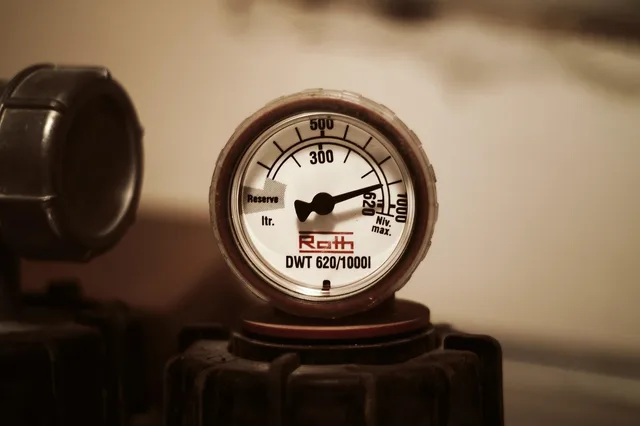
I once carefully monitored a pet's temperature during a cold snap to ensure it stayed above the 37.5 °C (99.5 °F) threshold. Always perform a final check of the thermometer's accuracy to ensure the data is reliable.
Comparing thermal thresholds
The sun sets behind a garden fence, casting long shadows across the living room. Understanding the difference between healthy and critical states is easier when looking at the specific limits of feline physiology.
| Condition | Temperature (°C) | Temperature (°F) |
|---|---|---|
| Normal | 38.3 – 39.0 | 100.9 – 102.2 |
| Hyperthermic | 39.5 or greater | 103.1 or greater |
| Hypothermic | Less than 37.5 | Less than 99.5 |
Tips for cat heat management
A heavy blanket is draped over a sofa as the evening chill sets in. Using various methods for tips for cat heat management can help prevent extreme fluctuations. Providing multiple microclimates, such as heated beds or sunlit spots, allows the animal to self-regulate.
Effective heat management also involves monitoring dietary intake, as energy from protein and fat supports metabolic heat production. While feral cats get most of their daily energy from protein (52%) and fat (46%), domestic cats may have slightly different ratios.
Ensuring nutritional needs are met is a secondary but important layer of thermal care.

- Maintaining a healthy temperature for your pet requires understanding that their baseline is significantly higher than a human's.
- This guide covers the specific thermal ranges for feline health, the risks of dehydration, and the signs of temperature fluctuations.
- While humans maintain an average body temperature of about 37.0 °C (98.6 °F), cats operate at a much higher biological set point.
The subject here is Cat temperature range guide.
The same subject is also called Accurate cat heat needs.
The same subject is also called Cat body temp control.
Related
- Reptile first setup temperature guide for new owners
- Small pet first care temp guide: 24 hours to keep young pets
How does the normal body function relate to thermal stress?
- The normal body temperature of a cat reflects a stable metabolic state. 2. Deviations from this normal body range signal a stressor, whether environmental or internal. 3. Hyperthermic conditions place undue strain on the cat's homeostatic mechanisms. 4. Hypothermic conditions compromise the cat's ability to generate sufficient internal body heat.
What are the risks associated with poor body temperature regulation?
- Sustained hyperthermia increases the risk of organ damage due to elevated body temperature. 2. Persistent hypothermia impairs the cat's overall body function and survival capacity. 3. Dehydration exacerbates both thermal extremes because fluid is necessary for efficient body temperature control. 4. A cat struggling with its normal body temperature may also exhibit signs of systemic illness.
The comparison between the normal body temperature and the critical thresholds highlights the narrow margin for feline health. Staying within the established normal body range is crucial because the cat's physiology is set at a higher baseline than human physiology.
Monitoring the cat's body temperature provides immediate feedback on its internal body condition. If the reading approaches the hyperthermic threshold, immediate intervention is necessary to prevent further body heat accumulation.
The hydration requirement of 60ml/kg per day is a protective measure against thermal instability. Insufficient fluid intake prevents the body from effectively dissipating or retaining the necessary body heat.






Comments 0