A checklist for potential pet owners: from cats to small animals.
<!--img--> 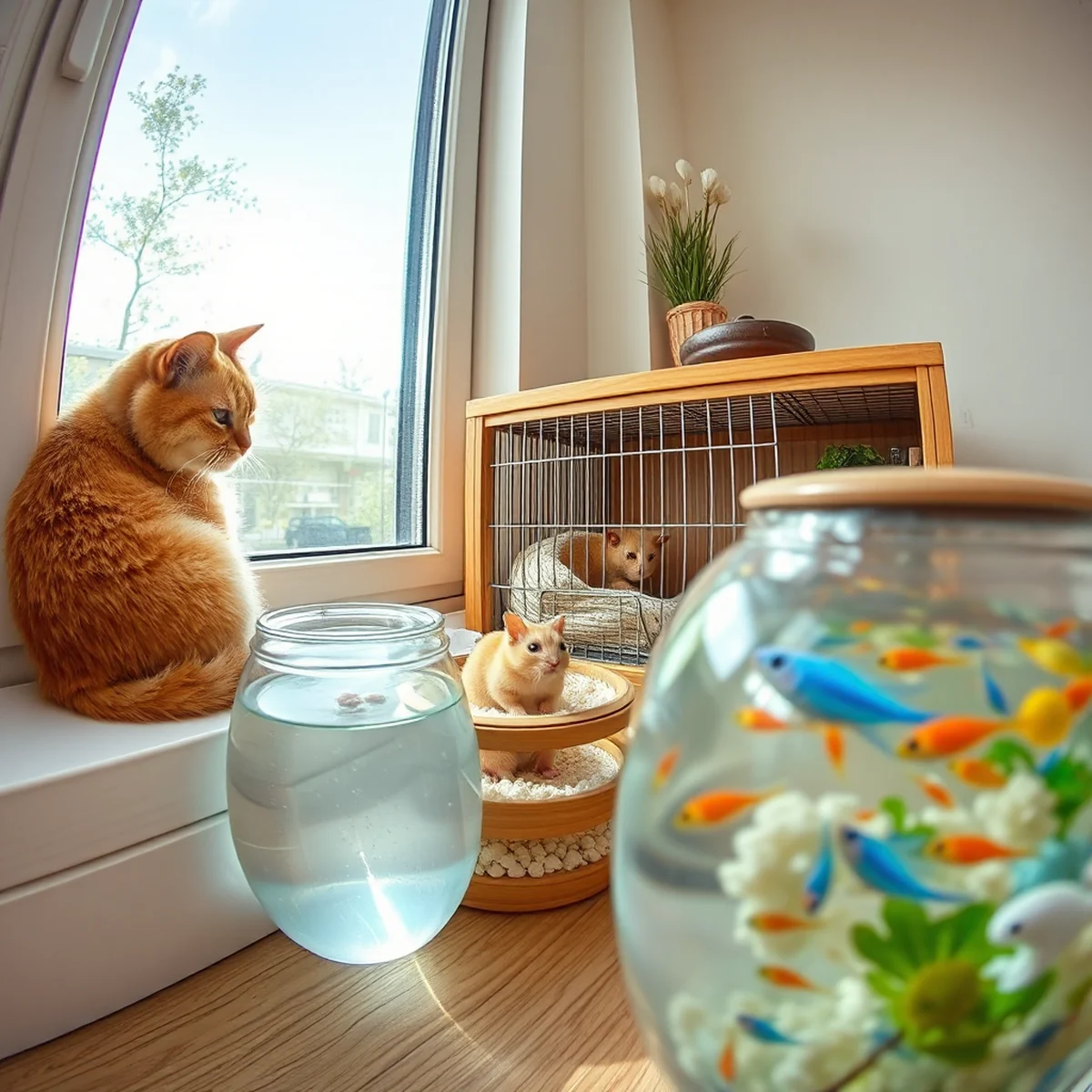
Before welcoming a pet into your family, there are some important things to consider carefully. This is because the lifestyle and care requirements vary greatly depending on the species. It's not uncommon for people to adopt a pet based solely on its cuteness, only to find themselves struggling later.
Understanding the Characteristics of Each Species
- Cats: While independent, they require careful environmental management, including litter box and scratching post maintenance, as well as grooming.
- Hamsters & Small Animals: Maintaining the right temperature and hygienic living conditions is crucial. It's also important to be aware of their relatively short lifespan.
- Fish: Consistent care is needed, including water quality and temperature management.
- Reptiles & Exotic Animals: Specialized knowledge and a suitable environment are essential.
4 Important Questions to Ask Before Adopting
Don't make a decision based solely on appearance. The key question is: Can you take full responsibility for the pet?
- Lifespan: How many years will you be able to share your life with this animal?
- Cost: Can you consistently afford food, supplies, and veterinary care?
- Space: Do you have enough space to provide a comfortable living environment?
- Time: Do you have the time each day to care for and interact with the pet?
Choosing a Responsible Adoption Source
Where you get your pet is also important. To avoid impulsive decisions and ensure a healthy start, consider the following:
- Adopting from Shelters: Adopting from a shelter gives a second chance to an animal in need.
- Checking Health: Before adopting, carefully assess the pet's overall health and living conditions.
- Family Agreement: Ensure that all members of the household agree to the adoption and are aware of any potential allergies.
Quick Overview by Species
- Cats: Relatively independent, but litter box and grooming are essential.
- Small Animals: While they may seem low-maintenance, temperature and hygiene management can be challenging.
- Fish: Quiet companions, but require consistent care for water quality and temperature.
- Exotic Animals: Appealing, but not recommended without specialized knowledge.
Mindset After Adoption
Pets don't live on our schedule. Understanding and respecting their natural behaviors is the foundation for a happy coexistence. During the first few days, they may be unfamiliar with their new environment, so avoid rushing them and allow them to adjust at their own pace. Remember that adoption is a long-term commitment, and keeping this in mind will help you make a decision you won't regret.
Having a pet is about *living together*, not just "owning" an animal.
AllPets is a comprehensive resource for all things pet-related, including care tips, health information, supplies, and adoption resources.
<!--enr--> ## Quick Comparison
| Category | Item A (Cat) | Item B (Small Pet) |
|---|---|---|
| Temperament | Independent, frequent autonomous behaviors | High activity level; small size limits space requirements |
| Key Care Needs | Need for litter box, scratching post, and grooming maintenance | Temperature control and hygiene environment essential |
| Lifespan | Average 12–18 years | Average 2–5 years (short lifespan) |
| Time Investment | Daily care required, but relatively low effort | Daily management essential; frequent monitoring needed |
| Adoption Recommendation | Suitable for beginners, but basic knowledge required | Not recommended without prior expertise |
Frequently Asked Questions (FAQ)
Q1. What should you check first before adopting a pet? The most important factors are the animal’s lifespan, maintenance costs, living space availability, and whether you can dedicate sufficient daily time. Failing to meet these four criteria may make adoption a burden and cause stress for the animal.
Q2. What special considerations are needed when keeping small animals or ornamental fish, besides cats? Small animals are sensitive to temperature and hygiene, while ornamental fish require proper water quality and stable water temperature. Particularly, small animals often have shorter lifespans, making them more likely to be kept based on short-term interest rather than long-term responsibility—so extra caution is needed.
Q3. Why is family consensus important before adoption? Pets are members of the family, so all household members must agree and confirm any existing allergies. Disagreements or discomfort can negatively impact both the animal’s well-being and family harmony.
Q4. What should you do if your adopted pet struggles to adapt during the first few days? It may take several days for pets to adjust to a new environment, so avoid rushing to show affection or play immediately. Instead, remain calm and observant, respecting their pace. A stable environment and consistent daily routine will help ease the transition.
Related posts
How can a pet owner tell if their dog's "bathroom habits" are abnormal?
Here are 5 basic routines to help reduce your dog's daily stress:

Nutritional supplements for boosting feline immunity: A vs. B – which is more effective?
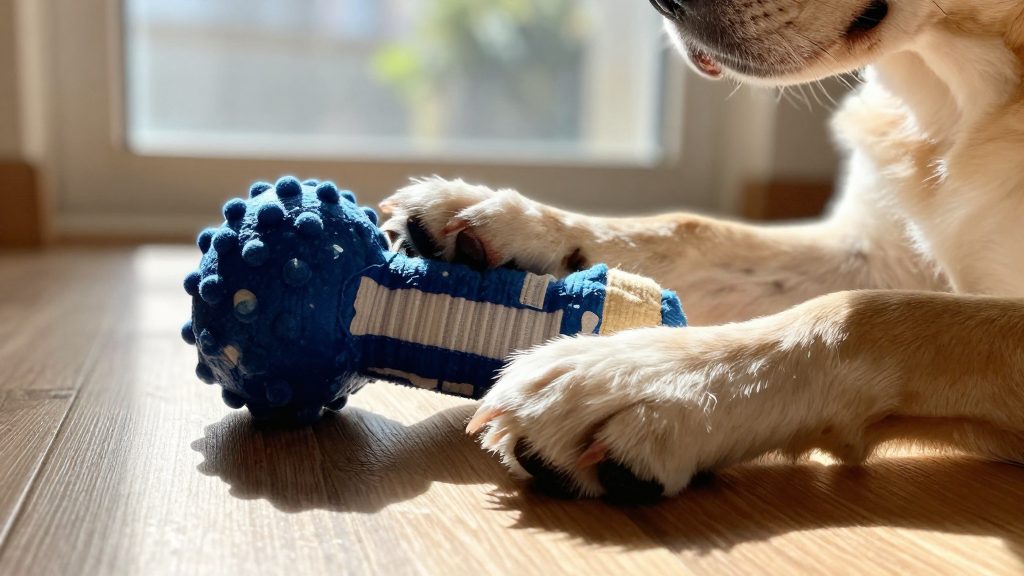
Pet toys: Rubber balls vs. stuffed fabric toys – which one is a better fit?
Popular posts
How can a pet owner tell if their dog's "bathroom habits" are abnormal?
Here are 5 basic routines to help reduce your dog's daily stress:
Nutritional supplements for boosting feline immunity: A vs. B – which is more effective?
Comments 0