Preparing for a trip with your pet: Essential tips for domestic and international travel.
<!--img--> 
Traveling with pets can be a special and enjoyable experience for many. However, when planning a trip, it's crucial not to overlook the safety and comfort of your furry companions. This is especially true for domestic and international travel, where various factors such as legal restrictions, transportation options, and accommodation need to be considered. This article outlines the key requirements for traveling with pets and provides practical guidelines.
Legal Requirements for Traveling with Pets in Korea
Domestic pet travel is generally relaxed, and many destinations welcome pets. However, it's still essential to check the legal requirements to ensure a safe trip. First, your pet must have a registered microchip, a health certificate, and a vaccination record (within 3 months of travel). It's also important to use a leash or harness, and consider bringing essentials like food, water bowls, and a walking bag.
- Some national parks and coastal areas prohibit pets. You can check this information using Allpets' map service, which allows you to filter by "pet-friendly."
- A pet transport permit may be required for travel on roads, and trains or buses may require a dedicated seat or carrier. Be sure to reserve pet-friendly seating in advance.
- Most importantly, confirm whether pets are allowed during the specific time of year or season. For example, some resorts may restrict pet access during peak summer months. Also, consider whether your pet can enjoy shade and water activities.
Choosing Transportation and Packing Essentials for Domestic and International Trips
Your pet's transportation is a critical aspect of the journey. For long-distance travel, both you and your pet can become tired, so it's important to choose the right mode of transportation and prepare accordingly. Understanding the characteristics of each option and making appropriate preparations is key.
Trains and Buses
Trains are one of the safest and most comfortable options for traveling with pets. However, your pet must be securely placed in a carrier, and you must check the availability and size restrictions.
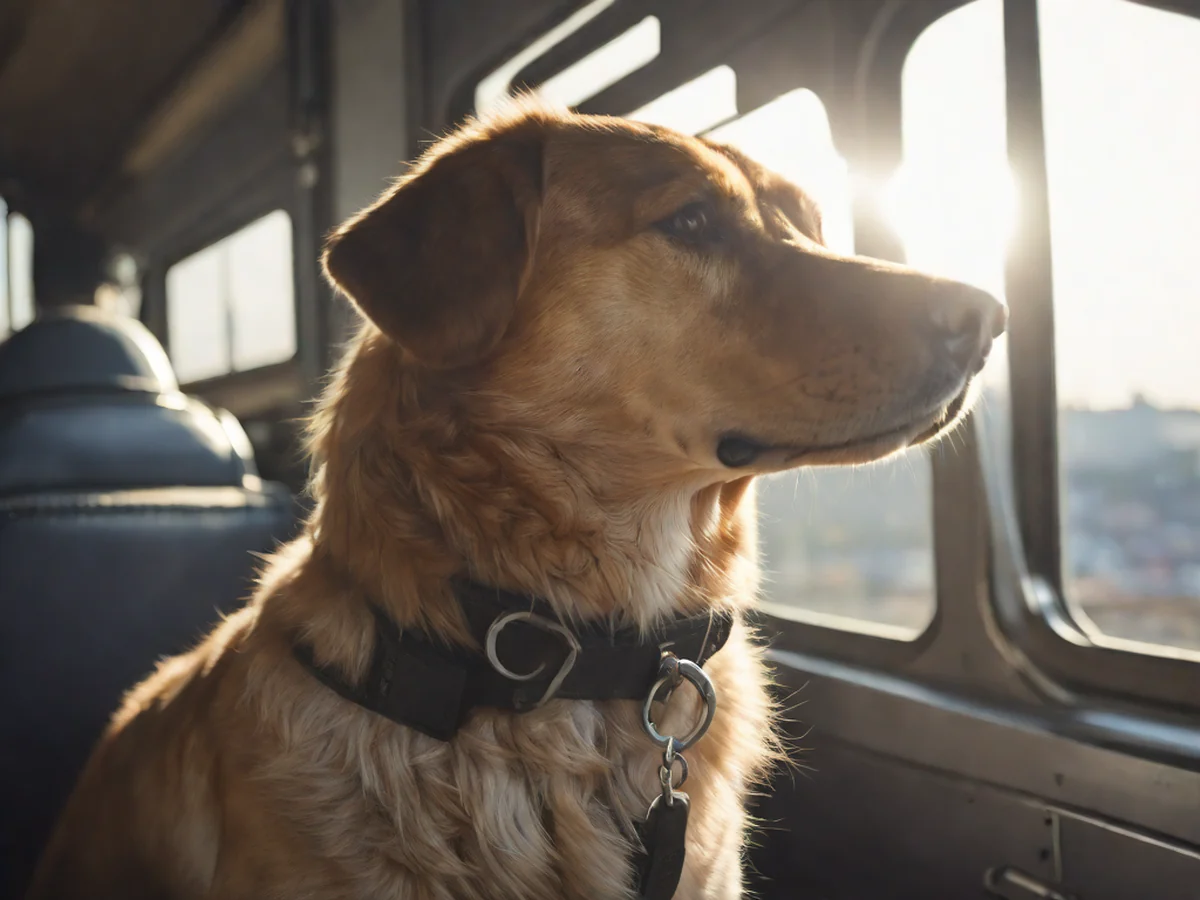
- Most bus companies allow pets, but advance reservations and the use of a leash and harness are usually required.
- Some higher-end trains offer dedicated pet compartments. You can check availability using Allpets' "pet-friendly transportation" list.
Airplanes
Air travel is the most common mode of transportation for international trips. However, it involves strict legal requirements and extensive preparation. First, each airline has its own pet policy.
- Pet carriers on airplanes have size restrictions, typically limited to under 20kg and a carrier size of no more than 50cm.
- A vaccination record and a health certificate are required, usually within 96 hours of travel. Some countries may also require these documents to be notarized.
- You should confirm with the airline whether your pet is allowed, and some airlines provide dedicated pet carriers.
Driving
Driving offers the most freedom and safety for traveling with pets. However, you must minimize your pet's discomfort during long drives.

- Inside the car, use a pet carrier, install a window guard to prevent escapes, and provide constant access to water and snacks.
- During long drives, stop every 2-3 hours at a rest area for walks and bathroom breaks. Also, have a plan in case of bad weather.
Choosing Pet-Friendly Accommodation and Destinations
Accommodation is a major factor in any trip. When traveling with pets, it's essential to choose accommodation that meets your needs. Many hotels, resorts, and guesthouses advertise themselves as "pet-friendly," but the reality can sometimes be disappointing.
- When checking for pet-friendliness, prioritize "pet-specific accommodation" or "rooms that allow pets."
- Outside the room, check for cleanliness, access to food and water, and proximity to walking areas. Allpets' "pet-friendly accommodation" database can save you time.
- Some resorts offer pet setup services (food delivery, cleaning assistance) that can significantly reduce stress for both you and your pet. This is especially helpful for longer stays.
Conclusion
Traveling with pets is more than just a trip; it's a valuable experience for the whole family. To ensure a safe and enjoyable journey, carefully plan and execute all aspects of the trip, including legal requirements, transportation, and accommodation. Allpets provides information to help all pet owners have a safe and happy trip. The journey is just the beginning; traveling together is what truly makes it a vacation.
<!--enr--> ## Quick Comparison
| Category | Item A (Domestic Travel) | Item B (International Travel) |
|---|---|---|
| Legal Requirements | Registered pre-departure number, health certificate, proof of vaccination (within last 3 months) required | Airline-specific pet policies; vaccination and health certificate within 96 hours prior to flight required |
| Transportation | Express bus: advance booking and mandatory use of leash + harness; train: designated pet seats or carrier allowed | Airplane: carrier must be under 20kg and 50cm in size; prior confirmation with airline staff mandatory |
| Essentials | Walking backpack, water bottle, food, basic carrier and equipment | Confirm whether airline-provided carrier can be used; prepare notarized documents if required |
| Accommodation Selection | Prioritize pet-exclusive rooms or pet-friendly accommodations; utilize the AllPaws database | Must verify pet policy and availability of pet setup services |
Frequently Asked Questions (FAQ)
Q1. What documents must be carried when traveling domestically with a pet? When traveling domestically with your pet, you must carry the registered microchip number verification document, a health certificate, and proof of vaccination completed within the last three months. Additionally, wearing a leash and harness is mandatory.
Q2. Can pets travel on high-speed buses or trains? Most high-speed buses allow pets, but advance reservation and the use of a leash and harness are required. For trains, you must confirm whether a pet-specific carrier is allowed and check size restrictions; some premium train services offer dedicated pet areas.
Q3. What are the conditions for bringing a pet on an international flight? When flying internationally with your pet, the carrier must be no larger than 50 cm and weigh no more than 20 kg. Vaccination must have been completed within the last 96 hours, and a health certificate is required. Since airline policies vary, confirm directly with the carrier beforehand.
Q4. What should be checked when booking accommodation with a pet? When reserving lodging with your pet, prioritize "pet-exclusive rooms" or "pet-friendly rooms." Verify whether food and water bowls are provided, and check access to walking areas. Using Olpets’ "Pet-Friendly Accommodation Database" can make the process easier.
Popular posts

How can a pet owner tell if their dog's "bathroom habits" are abnormal?
Here are 5 basic routines to help reduce your dog's daily stress:

Nutritional supplements for boosting feline immunity: A vs. B – which is more effective?

Comments 0