Nutritional supplements for boosting feline immunity: A vs. B – which is more effective?
A cat's immune system is a crucial factor in determining its resistance to external stimuli. Indoor cats, in particular, are more susceptible to rapid immune decline when exposed to environmental changes or stress. While nutritional supplements can boost immunity, comparing Type A (vitamin and mineral-based) and Type B (probiotic and antioxidant complex) products reveals that the choice depends on the cat's physiological characteristics and nutritional needs. Type A supplements are beneficial for short-term improvements in immune markers, but have limitations regarding gut health and the balance of intestinal microbiota. In contrast, Type B supplements target the "gut-immune axis," which connects the gut and immune system. Therefore, Type B supplements are generally recommended for sustained improvements in immunity.
Section Headings
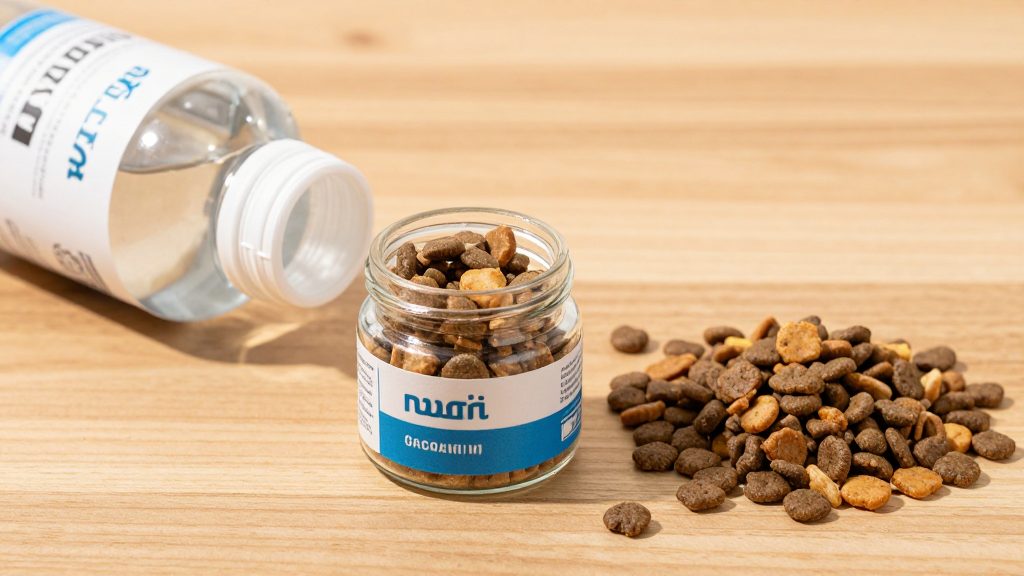
① Differences in Function of Key Ingredients - Type A Supplements: Primarily contain vitamins C and E, zinc, manganese, etc. These contribute to reducing oxidative stress and promoting immune cell activation, often resulting in temporary immune enhancement. In particular, vitamin C is an important nutrient that cats need supplemented because their natural synthesis ability is low. - Type B Supplements: Include probiotics (such as lactobacilli), glucosamine, omega-3 fatty acids, and lecithin. These support immune cell production by maintaining the balance of the intestinal microbial community, and a healthy gut contributes to qualitative improvements in the body's immune response.
② Absorption and Tolerability in Cats - Type A supplements are typically manufactured in tablet or capsule form, designed to be small and easily digestible to minimize stress on the cat's digestive tract. However, absorption rates may decrease if the intestinal environment is unstable. - Type B products are often available in jelly or spray form, which can help reduce rejection of the supplement by cats. In particular, the jelly form aligns with a cat's natural feeding behavior, resulting in lower attrition rates during long-term use.
③ Long-Term Effectiveness - Type A supplements are effective for alleviating temporary symptoms, but long-term use may cause side effects (e.g., the risk of vitamin complex overdose), so caution is needed. Furthermore, because they do not address the intestinal environment, fundamental improvements in immunity are difficult to achieve. - Type B supplements focus on improving the diversity and balance of intestinal microbiota, so significant qualitative improvements in immune response can be observed after approximately 3-6 months of continuous use. They are particularly effective in preventing immune decline due to stress or seasonal changes.
④ Ease of Administration and Potential Side Effects - Type A supplements are often available in powder or tablet form, which can be mixed with food. However, absorption rates may decrease when mixed with food, and some cats may reject the ingredients. - Type B products are generally administered by mixing them with a cat's regular food or directly into the mouth. The jelly form has a low incidence of abdominal pain or diarrhea after consumption. However, some probiotics can cause temporary constipation or changes in bowel frequency when first administered, so it is safer to start with small doses.
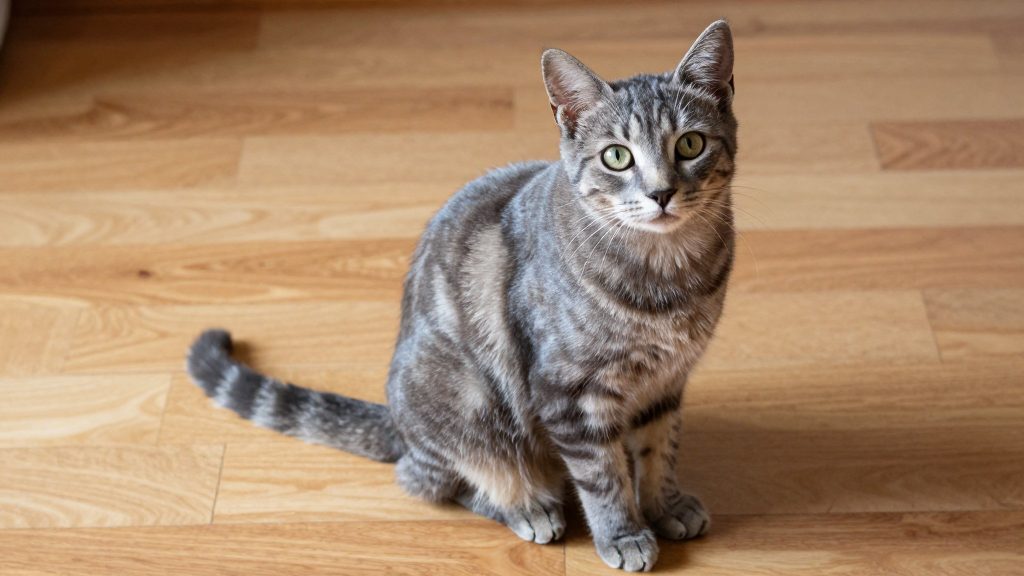
| Item | Type A Supplement (Vitamin & Mineral Based) | Type B Supplement (Probiotic & Antioxidant Complex) |
|---|---|---|
| Key Ingredients | Vitamins C, Zinc, Manganese, etc. | Probiotics, Omega-3, Lecithin, etc. |
| Long-Term Immune Enhancement | Generally Low | High (Based on Gut-Immune Axis) |
| Ease of Administration | Moderate (Powder or Tablet) | High (Many Jelly & Spray Forms) |
| Potential Side Effects | Moderate (Digestive Discomfort with Overconsumption) | Low (Safer when started with small doses) |
| Speed of Effect | Fast (Within a Week) | Moderate (Gradual Improvement after 2-4 Weeks) |
Recommended For:
- If you have a cat that frequently experiences colds or fatigue due to weakened immunity, Type B supplements, which improve the intestinal environment, are more effective and suitable for long-term health management.
- For cats that eat inconsistently or primarily consume processed food, Type B supplements can provide natural nutritional supplementation and restore gut health.
- If you need a short-term boost in immunity (e.g., after neutering, before moving, or during recovery from vaccinations), you can temporarily use Type A supplements, but long-term use is not recommended.
Ultimately, enhancing a cat's immunity involves more than just nutritional supplementation; the interaction between gut health and the immune system is key. Type A supplements are effective for temporary normalization, but if you want sustained immunity and fundamental improvements, Type B complex supplements are a more rational choice.
Related posts

How can a pet owner tell if their dog's "bathroom habits" are abnormal?
Here are 5 basic routines to help reduce your dog's daily stress:
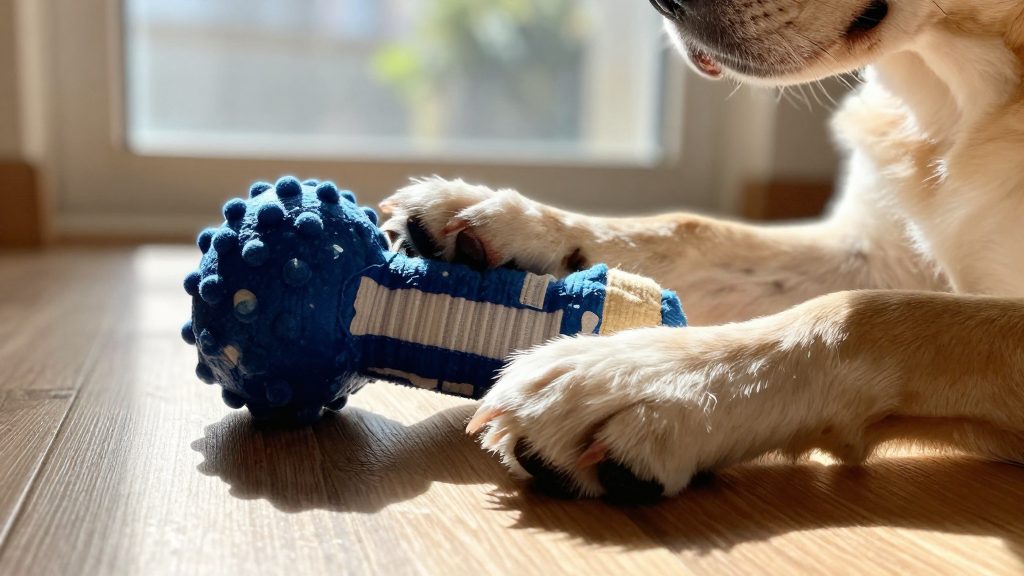
Pet toys: Rubber balls vs. stuffed fabric toys – which one is a better fit?
Here are 5 indoor activities for your dog during the summer (various games and stress-relieving methods):
Popular posts
How can a pet owner tell if their dog's "bathroom habits" are abnormal?
Here are 5 basic routines to help reduce your dog's daily stress:
Comments 0