Pet toys: Rubber balls vs. stuffed fabric toys – which one is a better fit?
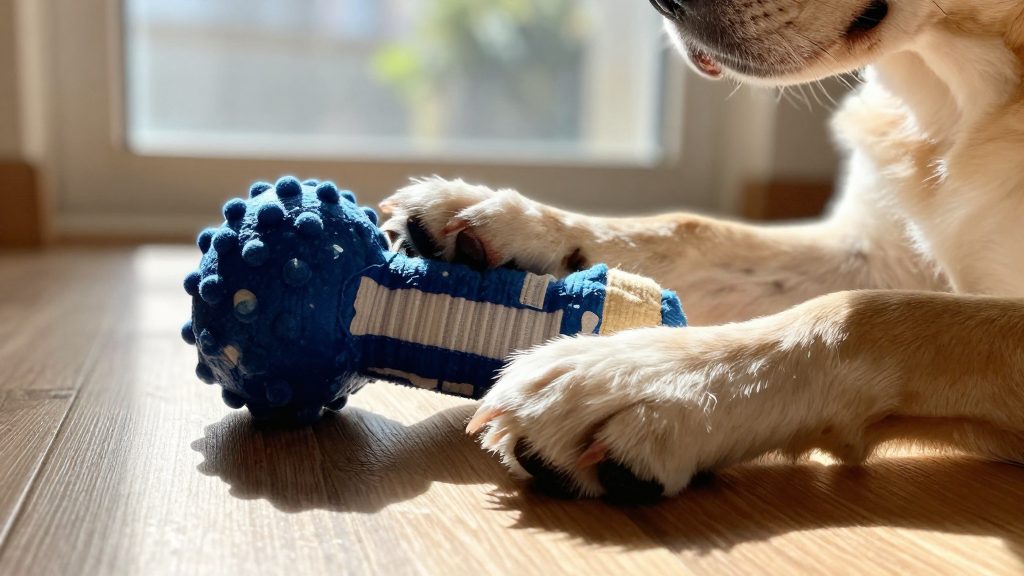
Conclusion Summary: Whether a rubber ball or a stuffed toy is the better choice for your dog depends on their activity level, tendency to chew, and how you approach treat-based training. For active dogs who enjoy fetch, a rubber ball is ideal. For dogs who value emotional bonding or enjoy playing with treats, a stuffed toy might be more suitable. The most practical and effective strategy is to use both types of toys, considering their durability and intended purpose.
---
Rubber Ball vs. Stuffed Toy: Key Comparisons Based on Personality and Intended Use
1. Durability and Maintenance Differences
- Rubber Ball: Typically made of rubber materials (e.g., elastomers), offering high resistance to impact and quick drying. Suitable for outdoor activities like walks in the park, as they are resistant to dirt, gravel, and rain. However, be cautious of potential choking hazards if the ball becomes damaged or if your dog swallows pieces.
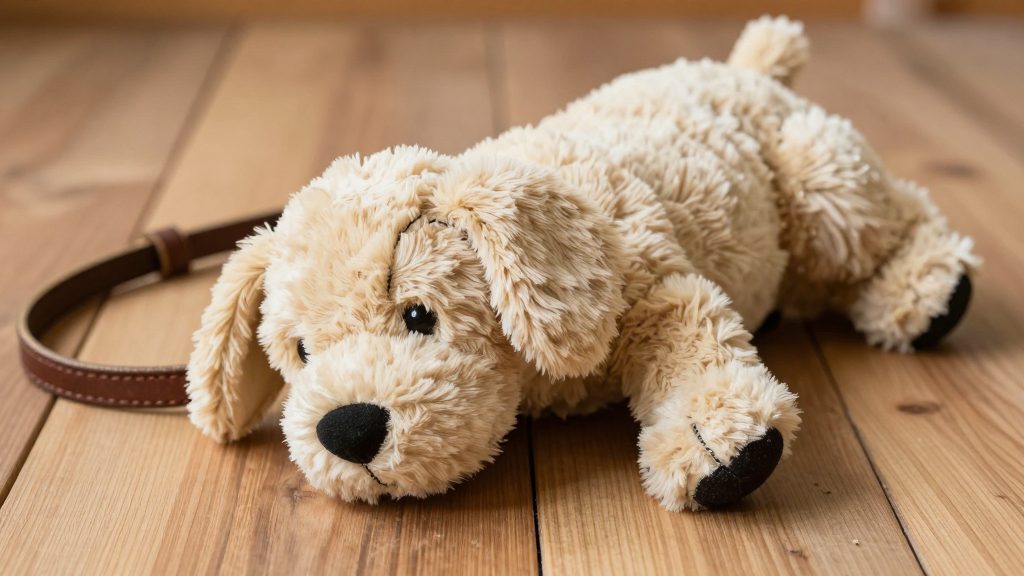
- Stuffed Toy: Usually made of fabric materials like cotton or polyester. While less durable than rubber balls, the key consideration is not just durability but also the intended use. Some are designed with internal structures or layers to hold treats, and while there's a risk of tearing or swallowing parts, they can be highly effective for treat-based training and providing emotional comfort.
✅ Practical Tip: Use rubber balls primarily for "fetch" activities, and stuffed toys for "treats + bonding."

---
2. Suitability for Activity Level and Play Style
- Rubber Ball: Ideal for active dogs with high energy levels who enjoy chasing and fetching. The natural motion of picking up and dropping the ball can help increase exercise and provide mental stimulation. However, frequent use can lead to damage to the internal structure (e.g., air pockets).
- Stuffed Toy: More suitable for dogs with calmer personalities or those who prefer quiet playtime after a walk. Hiding treats inside can encourage intellectual exploration (foraging-like behavior), which is beneficial for training. However, they are not ideal for throwing and can be problematic if your dog frequently tears or chews them.
✅ Practical Tip: If your dog loves to fetch, start with a rubber ball. If you'll be using it for treat training or quiet play, consider a stuffed toy.
---
3. Ease of Cleaning and Hygiene
- Rubber Ball: Easy to clean with soap and water, and they dry quickly. They can also be put in a washing machine or dishwasher (be careful of high temperatures). However, check for trapped moisture that could lead to rot or odors.
- Stuffed Toy: More difficult to clean, and moisture trapped in torn seams can lead to mold or odors. This is especially true if used with treats, as sweat and food residue can promote bacterial growth. Avoid using hot water or strong agitation in the washing machine.
✅ Practical Tip: Rubber balls are easier to clean regularly. For stuffed toys, avoid hot water and always remove treats before washing. Air drying is recommended.
---
4. Relationship Between Intended Use and the Owner's Training Methods
- Rubber Ball: Perfect for "fetch + recall" training. Repeating commands (e.g., "Bring it back") can improve focus and build loyalty. It also encourages problem-solving (e.g., predicting the ball's trajectory).
- Stuffed Toy: Effective for treat training and "hide-and-seek" games, which can enhance problem-solving skills and cognitive stimulation. Products with complex structures (e.g., internal pouches, treats tied to strings) are particularly beneficial for intelligence training.
✅ Practical Tip: Use rubber balls for "behavioral training" and stuffed toys for "cognitive training."
---
Comparison Table: Key Criteria for Rubber Balls vs. Stuffed Toys
| Feature | Rubber Ball | Stuffed Toy |
|---|---|---|
| Primary Use | Fetch, active play | Treat training, emotional comfort, intelligence games |
| Durability | Very high (impact and moisture resistant) | Moderate to low (risk of tearing and rotting) |
| Ease of Cleaning | Very easy (soap and water, machine washable) | Requires careful cleaning (avoid hot water) |
| Effectiveness Based on Use | Increases exercise, improves focus | Provides cognitive stimulation, strengthens emotional bond |
| Ability to Hold Treats | Limited (due to internal structure) | High (internal compartments, pouch designs possible) |
| Precautions | Choking hazard, potential for internal damage | Risk of rotting, odors, and tearing |
---
Recommended For:
- Households with dogs who participate in daily outdoor activities and enjoy fetch: A rubber ball is an essential play item. Lightweight balls with air pockets are particularly enjoyable.
- Households looking to provide emotional support or enhance focus through treat training: Choose a stuffed toy with a treat pocket for training purposes. Products with closures (e.g., ties or buttons) are more effective.
- Households with dogs who have varying activity levels or different play styles throughout the day: Using both types of toys is the most practical approach. Start with a rubber ball for exercise in the morning and switch to a stuffed toy for quiet play and emotional bonding in the evening.
---
Overall:
Avoid a rigid "A vs. B" approach when choosing dog toys. Rubber balls and stuffed toys complement each other. Rubber balls help active dogs exercise and relieve stress, while stuffed toys provide emotional connection and are essential tools for treat-based training and cognitive stimulation. The key is to use a balanced approach based on the dog's needs. Toys are more than just objects; they contribute to a dog's emotional well-being and healthy lifestyle. Therefore, clearly define the purpose of each toy and develop a habit of using both types, which is the most intelligent choice.
Related posts
How can a pet owner tell if their dog's "bathroom habits" are abnormal?
Here are 5 basic routines to help reduce your dog's daily stress:
Nutritional supplements for boosting feline immunity: A vs. B – which is more effective?
Here are 5 indoor activities for your dog during the summer (various games and stress-relieving methods):
Popular posts
How can a pet owner tell if their dog's "bathroom habits" are abnormal?
Here are 5 basic routines to help reduce your dog's daily stress:
Comments 0