How can a pet owner tell if their dog's "bathroom habits" are abnormal?
Your dog's bowel movements and their consistency are key indicators of their overall health. However, owners often overlook these signs, thinking "It was a bit hard today, but it's probably fine." This article highlights 5 key warning signs related to abnormal bowel movements and provides practical steps you can take.
What if the frequency of bowel movements suddenly decreases?
Quick Answer: A decrease in bowel movement frequency to less than once a day, especially if it persists for more than two days without any bowel movements, is a cause for concern.
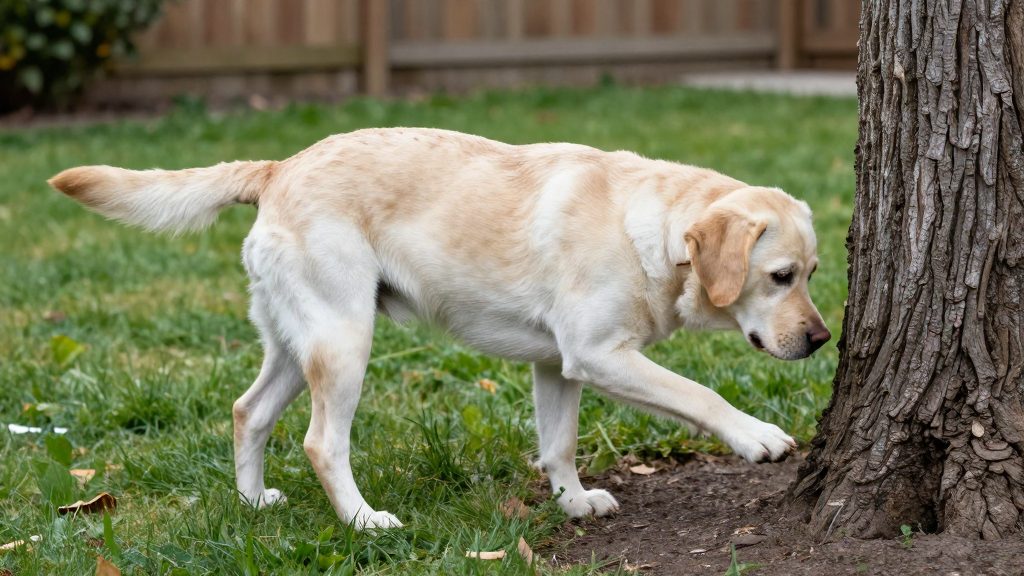
Explanation: For cats and dogs, it's normal to have 1-2 bowel movements per day. If a dog who usually has two bowel movements a day suddenly stops going for a week, it's likely that their intestinal motility has stopped. Severe constipation can lead to risks like hernias or bowel obstruction, so if there are no bowel movements for more than two days, a visit to the vet is recommended. This is especially important for senior dogs, as their intestines tend to move more slowly.
What if the stool is too hard or long and sticky?
Quick Answer: Hard or sticky stools are often a sign of digestive issues or dehydration.
Explanation: Stools that are as hard as bones, or long and sticky with a lot of mucus, can indicate inflammation in the intestines or an imbalance in gut bacteria. If there's a lot of sticky mucus, you should suspect gastroenteritis or malabsorption. This can also occur due to insufficient water intake or an allergic reaction to food, so be sure to check for mucus in the stool.
What if your dog scratches their hind legs or seems uncomfortable after a bowel movement?
Quick Answer: Scratching the hind legs or showing signs of discomfort after a bowel movement could indicate a problem around the anus.
Explanation: Some breeds have well-developed anal glands, which can sometimes lead to anal sac issues (bleeding or blockage). If your dog repeatedly scratches their hind legs after a bowel movement, or if they seem to be in pain when sitting, it could indicate an anal gland problem, such as anal sac inflammation. This requires a thorough examination by a veterinarian, and in severe cases, cleaning of the anal sacs or antibiotic treatment may be necessary.
What if your dog has frequent bowel movements, but only in small amounts, and their hind legs tremble?
Quick Answer: Frequent bowel movements with small amounts and trembling of the hind legs are likely signs of gastroenteritis or an intestinal function disorder.
Explanation: Trying to have a bowel movement but only producing small amounts and then quickly sitting down again (or trembling during defecation) indicates irritation in the large intestine. Inflammation in the digestive system or stress can cause the intestines to contract excessively, leading to this behavior. If your dog suddenly has very frequent bowel movements, it could be colitis or stress-induced diarrhea, so you should check their diet and environment for any changes.
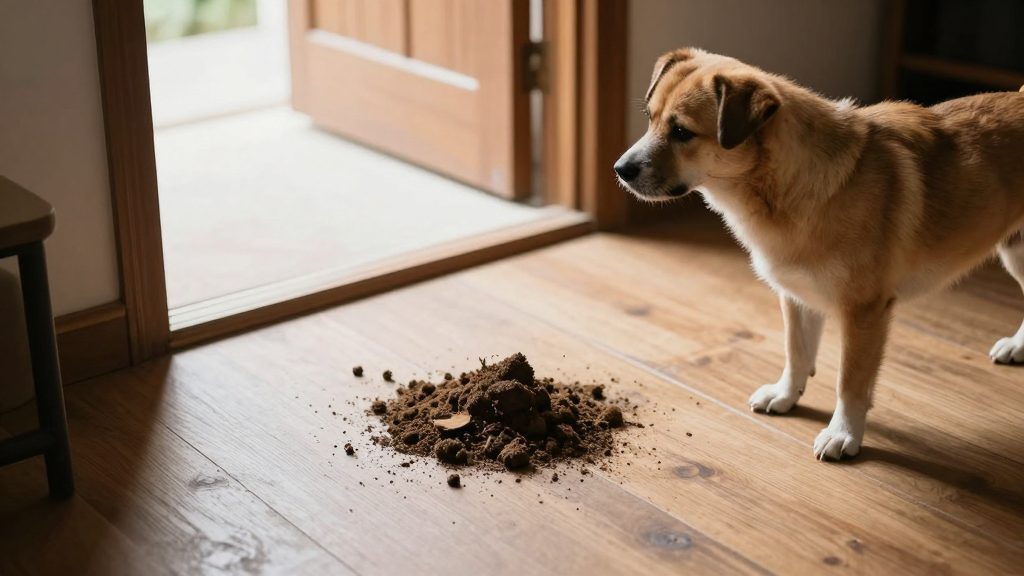
What if the stool splatters or sticks to the chair?
Quick Answer: Splattering stool or stool sticking to the chair can be a sign of sphincter problems or muscle weakness.
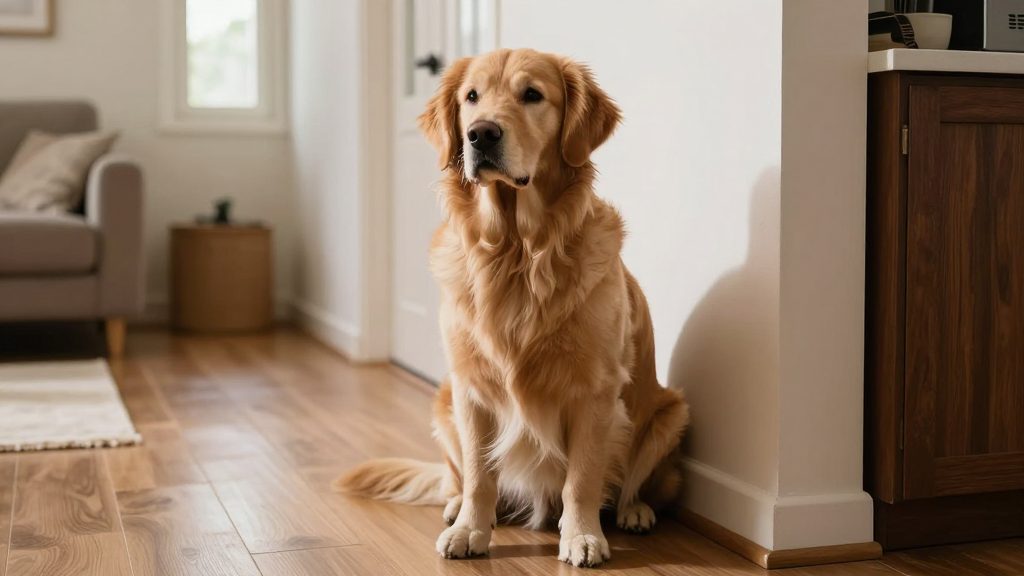
Explanation: Trembling of the hind legs after a bowel movement or stool splattering onto the chair indicates weakened contraction of the anal sphincter (the muscle that closes the end of the intestine). This can be related to aging, nerve damage, or problems with the lower back (e.g., a herniated disc). This is common in older dogs or those with weak hind legs, so it's important to observe whether their hind legs tremble weakly after a bowel movement.
Frequently Asked Questions
Q. My dog has more than three bowel movements a day, is that a problem? A. While 1-2 bowel movements per day are usually normal, three might be fine depending on the dog's breed and diet. However, if the bowel movements are very frequent, only produce small amounts, or have an unusual consistency, that's a warning sign. If the hind legs tremble after a bowel movement or if they seem to be in pain, consider a vet check.
Q. What kind of diet is best for preventing constipation at home? A. A diet high in fiber can help prevent constipation. For example, cottage cheese or sweet potatoes can aid intestinal motility, but too much fiber can actually cause constipation. Provide a balanced diet with both solid food and water, and if constipation persists, consider vitamin B supplements or probiotics to support gut health. However, the best supplement choice depends on your dog's overall health, so consult with a veterinarian.
Q. Should I ignore the behavior of scratching their hind legs after a bowel movement? A. It's best not to ignore it, especially if it happens frequently. Early symptoms of anal sac issues or inflammation can be mild, but ignoring them can lead to chronic problems or an increased risk of infection. If your dog scratches their hind legs after a bowel movement for more than three days, or if they seem to be in pain during defecation, consult with a veterinarian immediately.
Related posts
Here are 5 basic routines to help reduce your dog's daily stress:
Nutritional supplements for boosting feline immunity: A vs. B – which is more effective?
Pet toys: Rubber balls vs. stuffed fabric toys – which one is a better fit?
Here are 5 indoor activities for your dog during the summer (various games and stress-relieving methods):
Popular posts
Here are 5 basic routines to help reduce your dog's daily stress:
Nutritional supplements for boosting feline immunity: A vs. B – which is more effective?
Comments 0